Blood protein aging measures linked to 1,059 diseases
An observational study of 53,014 UK Biobank participants found 5,436 associations between 16 organ- and system-specific aging clocks and 1,059 diseases.
Independent replication
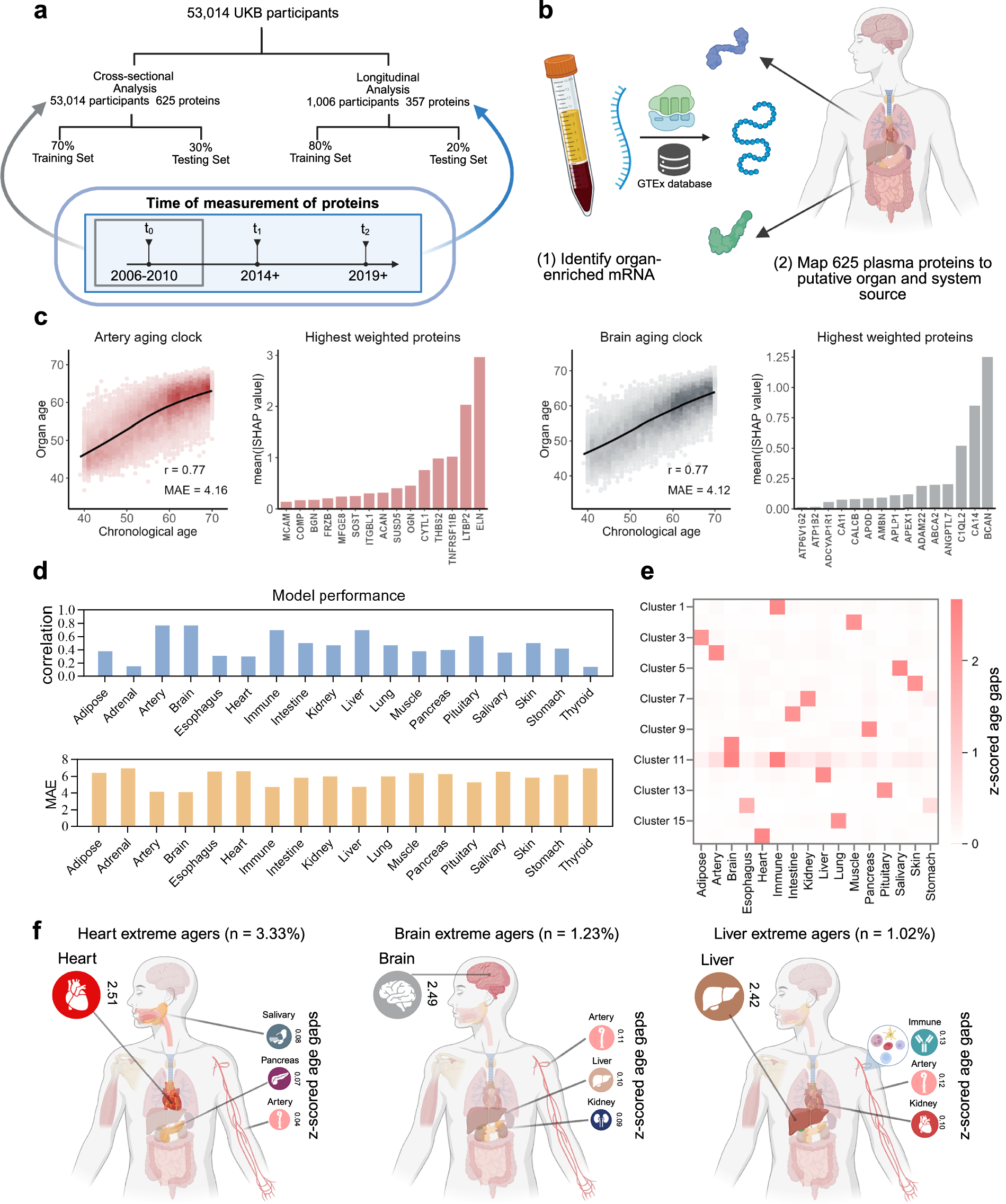
In an observational study of 53,014 UK Biobank participants, researchers built 16 organ- and system-specific aging clocks using proteins in blood plasma, the liquid part of blood. These clocks estimated aging from protein patterns.
The clocks were associated with 655 diseases that developed later and 404 already present. They also showed links to 841 environmental factors. Researchers compared the clocks with two existing models and validated them in 3,977 China Kadoorie Biobank participants. Genetic analyses identified 261 regions of DNA associated with the clocks. The immune system and liver showed the strongest genetic connections with other organ systems. An exploratory analysis of repeated measurements from 1,006 participants identified potential time-ordered links across organs and systems.
Why it matters
Understanding aging across organs may help researchers investigate why health and disease differ between people. The atlas offers a resource for future research on targeted anti-aging strategies.
Caveats
The study was observational, so the links do not show cause and effect. The clocks were blood protein-based measures rather than direct measurements of aging within organs, and the temporal networks were exploratory.
From the paper
- Participants
Our primary study population included 53,014 UKB participants (aged 56.4 ± 8.2 years, 52.3% female) with available plasma proteomic data at baseline.
Results, Calculations of organ- and system-specific aging clocks
- Result
All 16 organ age gaps were significantly associated with all-cause mortality risk (5765 deaths), with kidney and brain aging showing the strongest associations (HR = 1.53, 95% CI: 1.48–1.58, and HR = 1.48, 95% CI: 1.43–1.52, respectively) (Supplementary Data 10).
Results, Associations of multiple organ and system aging with 1059 diseases
- Limitation
First, identifying organ- and system-specific plasma proteins may not comprehensively reflect the aging of the organ system (e.g., mRNA-protein correlations typically fall below 40%), though this remains widely used and possibly the only feasible approach to track organ health.
Quoted word for word from the full text on nature.com.