Loneliness indirectly linked to new osteoarthritis in older adults
An observational analysis of 6,232 adults aged 50 and older found indirect links through depression and physical difficulties, but no direct associations.

Limit: Early osteoarthritis could cause chair-rise difficulty, reversing the modeled pathway
Edited by Boris Djordjevic · AgingResearch.News
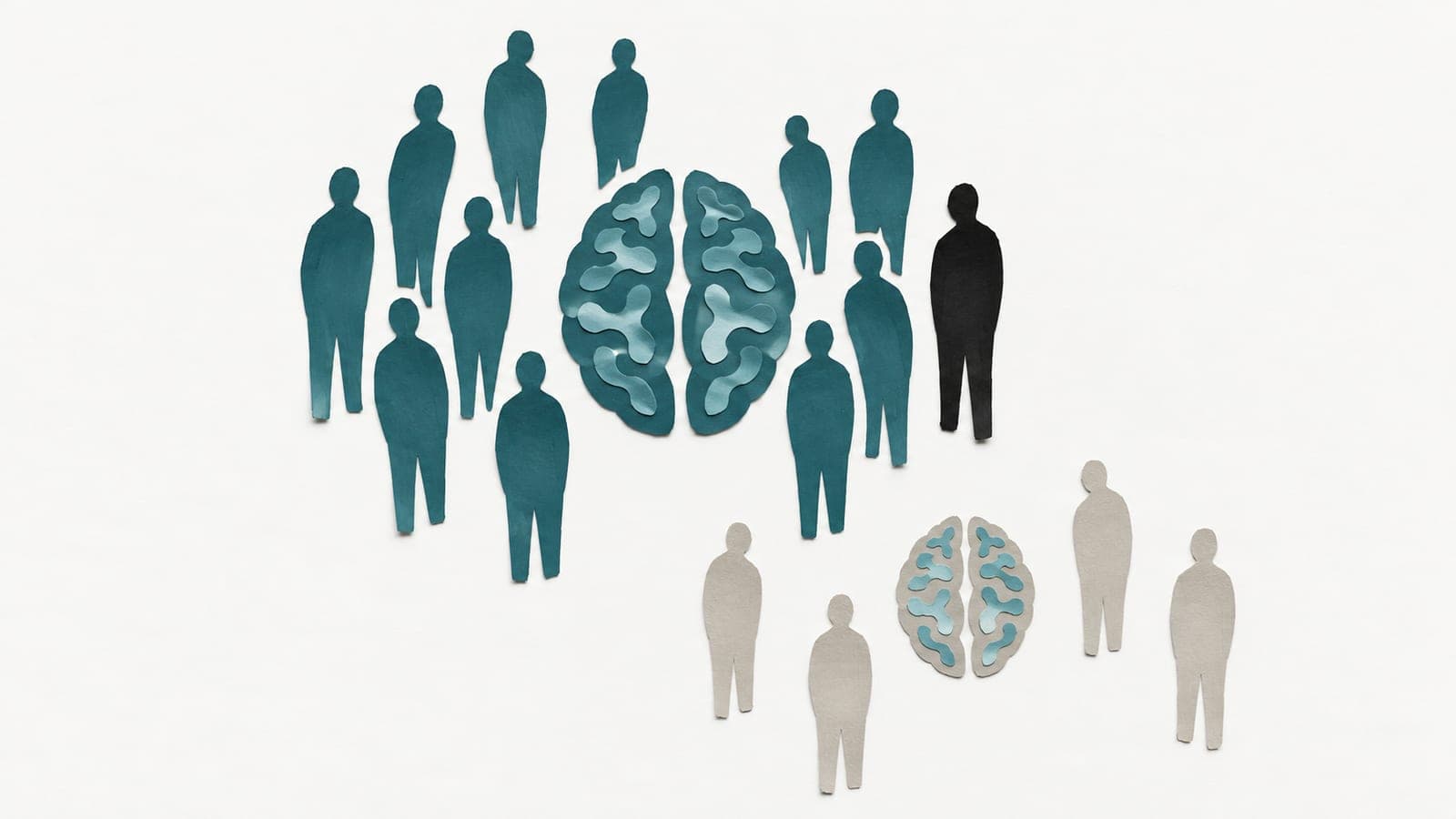
An observational study used survey data from 6,232 adults aged 50 and older in 12 European countries, collected between 2017 and 2022. Researchers used a statistical model to examine whether depression, physical inactivity and difficulty rising from a chair helped account for links between loneliness or social isolation and newly developing osteoarthritis, a joint disease.
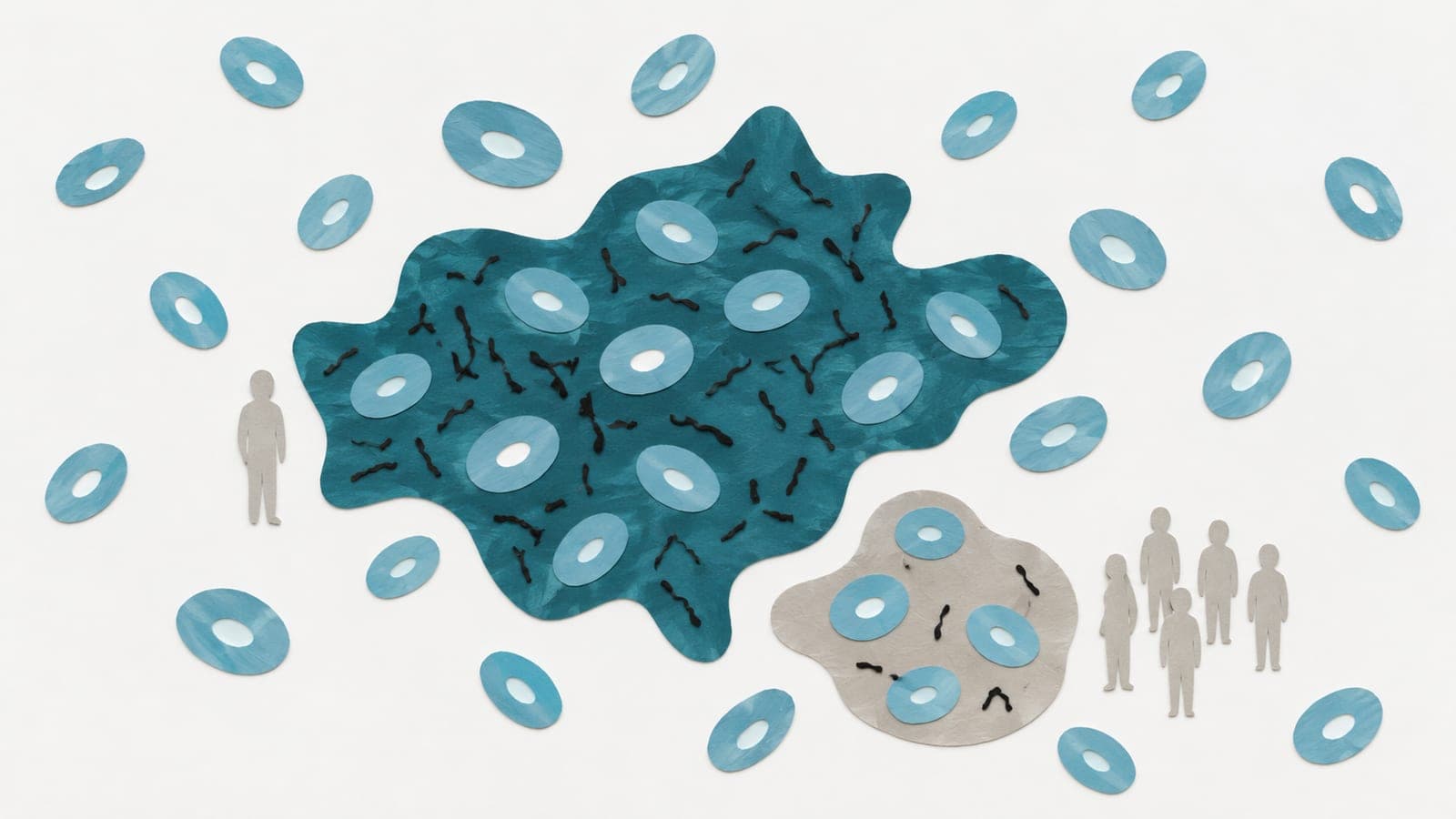
The analysis found no direct associations between loneliness or social isolation and osteoarthritis onset. Both had indirect links through depression and declining physical function. Difficulty rising from a chair was the strongest intermediary, followed by depression. Physical inactivity was linked indirectly through chair-rise difficulty. Older age and female sex were also independently associated with osteoarthritis onset.
Why it matters
The study addresses how social and psychological distress might relate to physical vulnerability and joint disease in later life.
Caveats
This observational analysis could not establish cause and effect; its modeled pathways do not show that chair-rise difficulty causes joint degeneration. The study did not examine people younger than 50.
The paper
University of Sharjah
Journal of Applied Gerontology, Oct 22, 2026