Targeting a protein raises repair-linked gene activity in aged mice
In 18-month-old male mice, an antibody given before an experimental brain bleed raised gene activity linked to cellular cleanup and inflammation control.
Limit: The antibody was given before injury rather than after bleeding began
Edited by Boris Djordjevic · AgingResearch.News
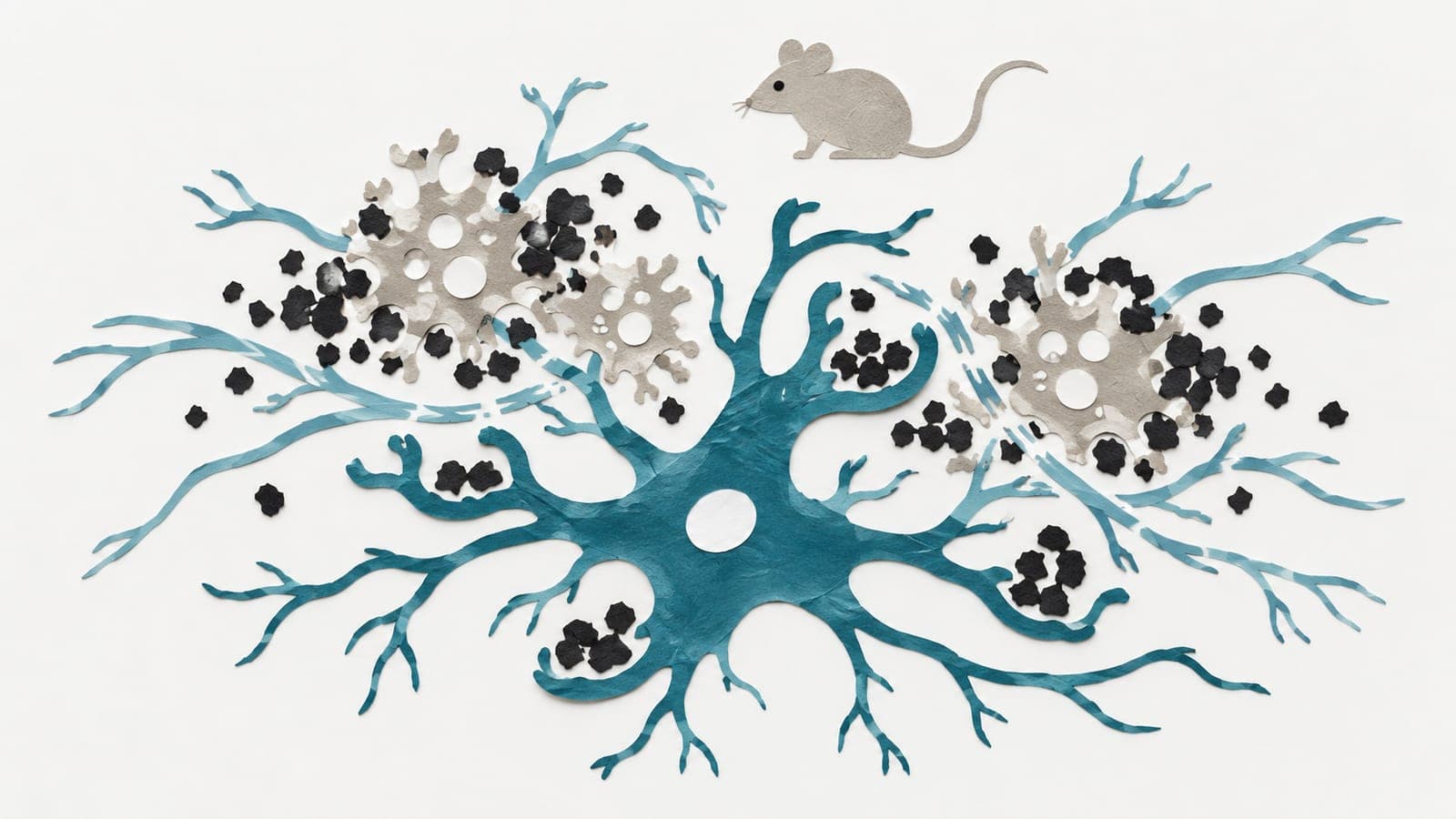
In an experiment in 18-month-old male mice, researchers neutralized CCL11, a protein whose blood levels rise with age, before inducing bleeding within the brain. They injected an antibody into the abdomen, then analyzed gene activity in microglia, the brain’s resident immune cells, from the injured side. Neutralizing circulating CCL11 increased activity of genes linked to engulfing material, antioxidant defenses and anti-inflammatory signaling.
In separate experiments with microglia grown in the lab and exposed to a brain-bleed-like injury, added CCL11 reduced activity of these repair-linked genes. It also impaired the cells’ ability to engulf material and increased production of reactive oxygen molecules.
Why it matters
Older age is a risk factor for poorer recovery after bleeding within the brain. The work suggests CCL11 is a possible target for research on limiting this damage in aging brains.
Caveats
The reported mouse gene-activity results do not establish improved recovery, and the antibody was given before injury. The animal work used 18-month-old males; the functional findings came from cells grown in the lab.
The paper
The University of Texas Health Science Center at Houston
Neuroreport, Sep 28, 2026