Hot nights linked to cardiac arrest hospitalizations in Japan
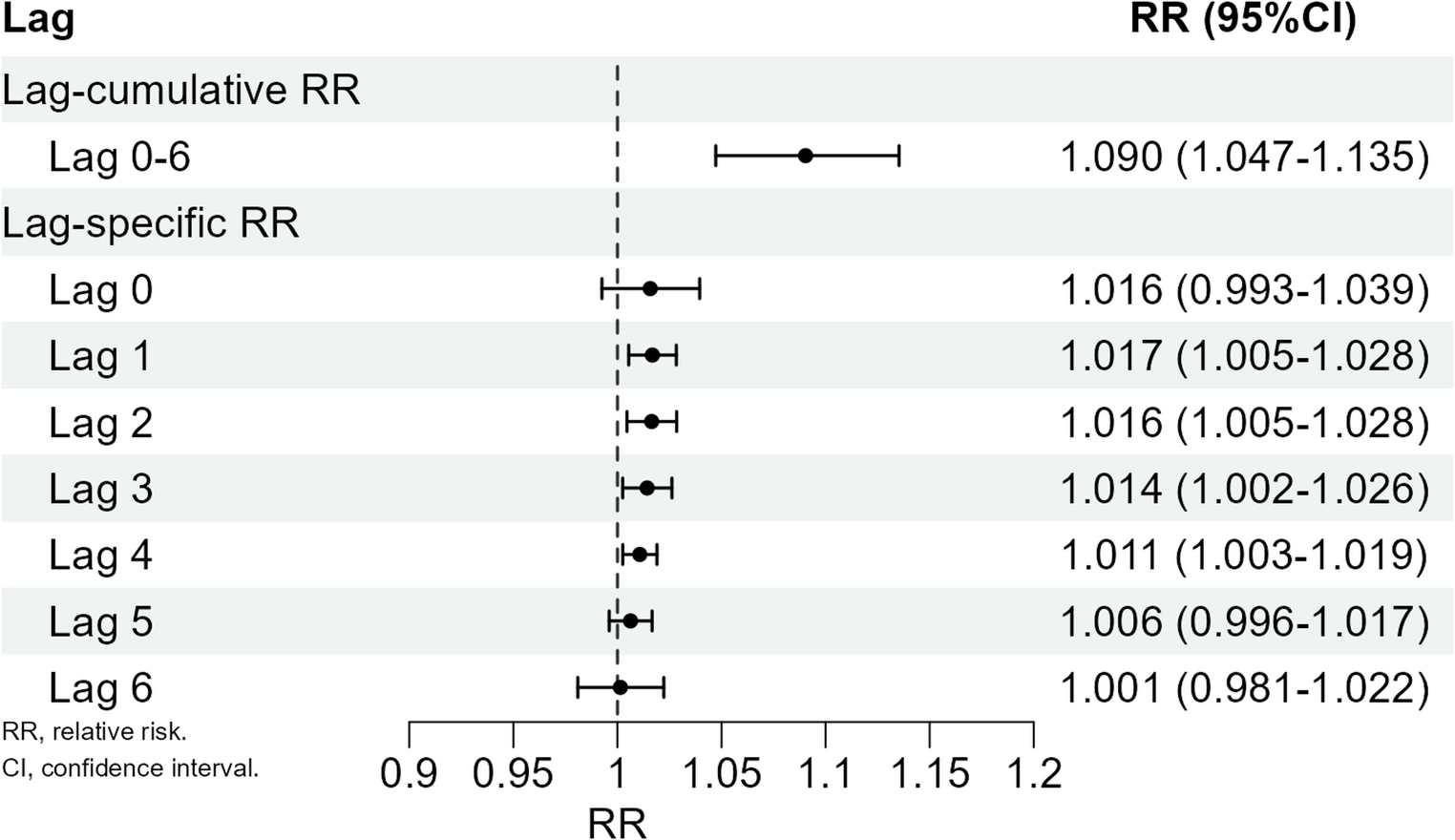
Nighttime heat was associated with a relative risk of 1.090 for emergency hospitalization after cardiac arrest, compared with nights without such heat.
135,898 participants, case-control study
Limit: Only cardiac arrests leading to hospital admission were included
Edited by Boris Djordjevic · AgingResearch.News
Researchers in Japan analyzed 135,898 emergency hospitalizations for people whose hearts had stopped pumping outside a hospital. The observational case-crossover study covered May through September from 2011 to 2021. It examined hospitalizations on the day of nighttime heat exposure and the following six days.
The researchers defined nighttime heat using unusually high daily minimum temperatures, with cutoffs specific to each region. They accounted for daily maximum temperature as an estimate of daytime heat exposure. Nighttime heat was associated with more emergency hospitalizations even after this adjustment. In northern areas, the association was stronger among people aged 75 and older and among females. In locations where air conditioners were less widespread, these two groups also had higher relative risks.
Why it matters
For older adults, the study addresses whether nighttime temperatures warrant attention alongside daytime heat when assessing the risk of severe heart emergencies.
Caveats
This observational study cannot establish that nighttime heat caused the hospitalizations. It examined hospital admissions in Japan during May–September, not all cardiac arrests or populations in other countries.
The paper
Institute of Science Tokyo
International Journal of Biometeorology, Oct 23, 2026
