Protein linked to opposing cardiovascular and kidney disease risks
Genetic analyses suggested blood pressure potentially accounted for 42.9–66.7% of the association between higher protein levels and cardiovascular disease risk.
Limit: Disease risk after directly changing FGF5 levels was not measured
Edited by Boris Djordjevic · AgingResearch.News
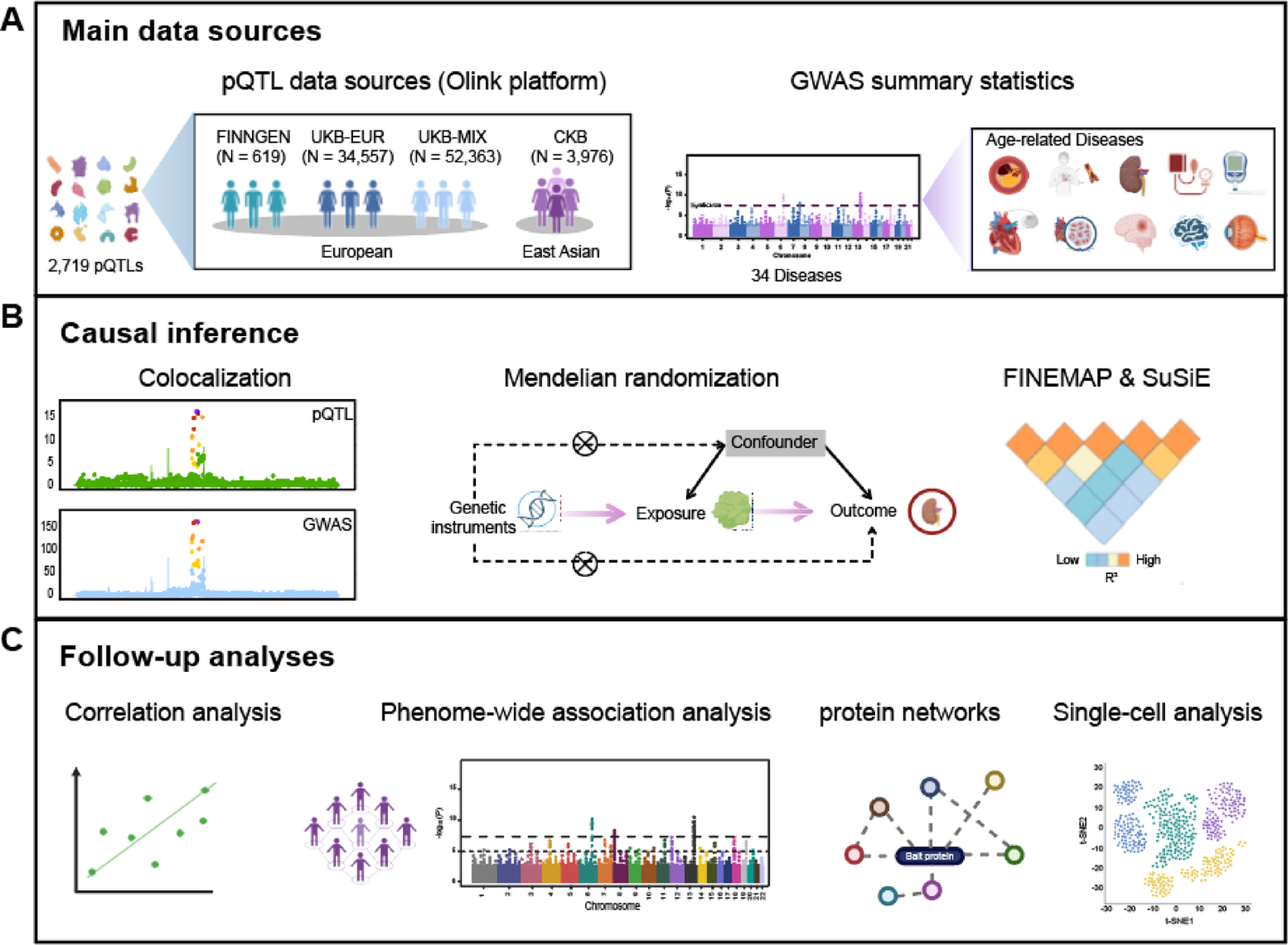
In European and East Asian populations, researchers combined four large genetic studies of blood proteins and screened 2,719 proteins for links with 34 age-related diseases. They focused on the protein fibroblast growth factor 5. They used Mendelian randomization, which uses genetic differences to examine links between a biological trait and disease, alongside other genetic analyses.
The genetic analysis suggested that higher protein levels were associated with higher cardiovascular disease risk and potentially lower chronic kidney disease risk. A separate cross-sectional observational analysis linked higher measured blood levels to higher cardiovascular disease risk. It also found a U-shaped association with chronic kidney disease prevalence, meaning the disease was more common at both lower and higher protein levels than at intermediate levels.
Why it matters
Cardiovascular and chronic kidney diseases often coexist as people age. Understanding their shared genetic biology may help guide research on interventions for people with both conditions.
Caveats
Mendelian randomization and cross-sectional analyses do not show that changing protein levels would change disease risk. The abstract did not report participant counts or ages.
- Epigenetic regulation of gene expression
- FGF signaling
- Blood pressure
- Cardiovascular disease
- Chronic kidney disease
- Humans
The paper
Sir Run Run Shaw Hospital
Cardiovascular Diabetology, Jul 26, 2026, Open access