Genetic analysis links 60 DNA regions to liver fat in people
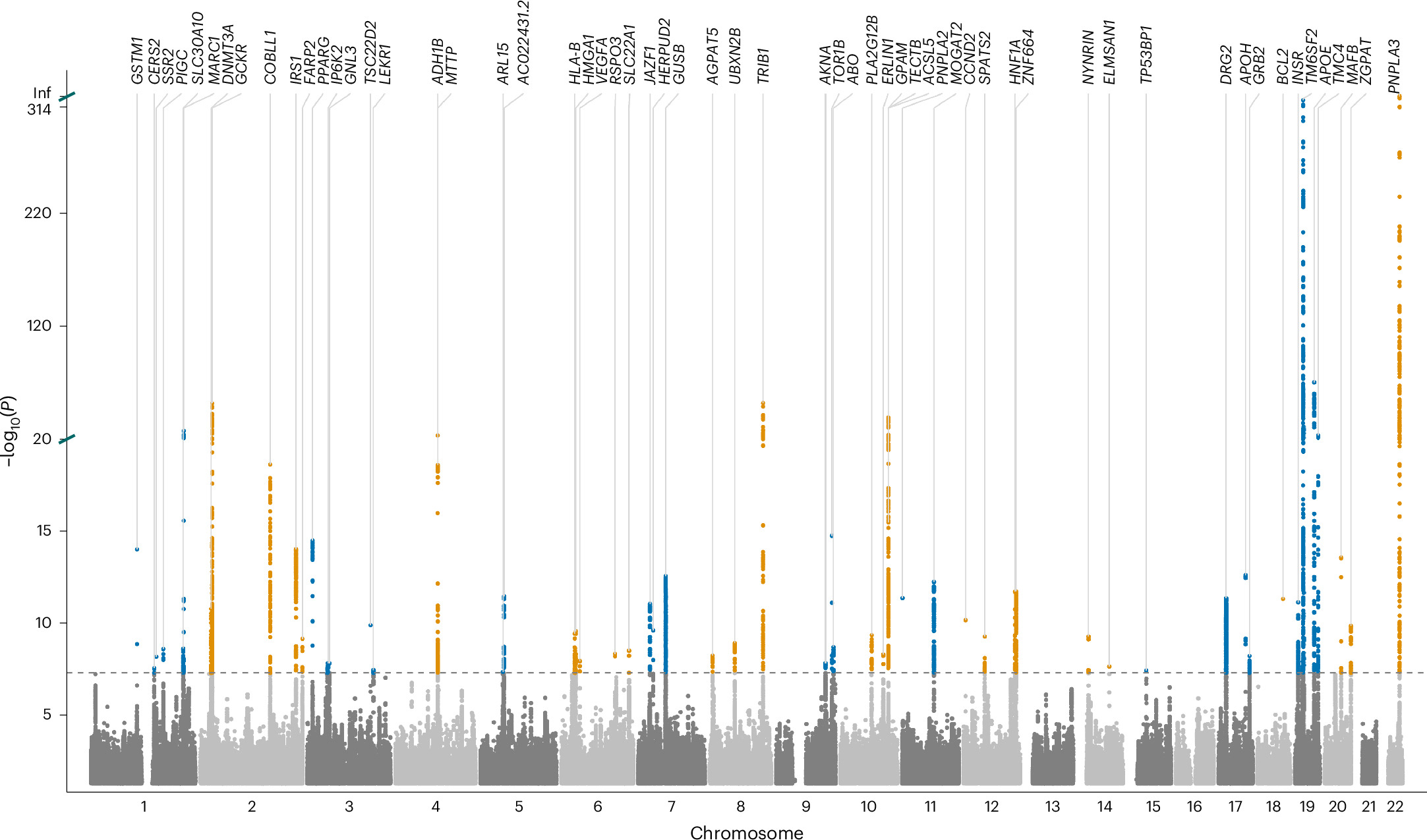
An observational analysis of 71,488 European-ancestry UK Biobank participants identified 60 regions linked to liver fat, including 31 not previously reported.
Meta-analysis
Limit: Different MRI acquisition and processing methods could distort pooled liver fat associations
Edited by Boris Djordjevic · AgingResearch.News
In an observational genetic analysis, researchers studied 71,488 European-ancestry participants from the UK Biobank. They assessed liver triglycerides, a type of fat, using magnetic resonance imaging. The team identified 60 independent DNA regions associated with liver fat, including 31 not previously reported. Further analyses nominated candidate genes at 48 of these regions.
The researchers also examined a score combining multiple genetic variants linked to liver fat. People in the highest versus lowest tenth of this score had 2.71-fold higher odds of cirrhosis, or severe liver scarring, and 7.47-fold higher odds of hepatocellular carcinoma, a type of liver cancer.
Why it matters
The work addresses inherited susceptibility to liver diseases that can limit healthy lifespan.
Caveats
These observational genetic associations do not establish cause and effect. The liver-fat analysis involved European-ancestry UK Biobank participants, so its findings may not apply to other ancestry groups.
- Inflammation
- Liver triglycerides
- Cirrhosis
- Hepatocellular carcinoma
- Metabolic dysfunction-associated steatotic liver disease
- Humans
The paper
Genome-wide analyses identify 60 loci associated with liver triglyceride content
Karolinska Institutet; Karolinska University Hospital
Nature Genetics, Oct 21, 2026, Open access


