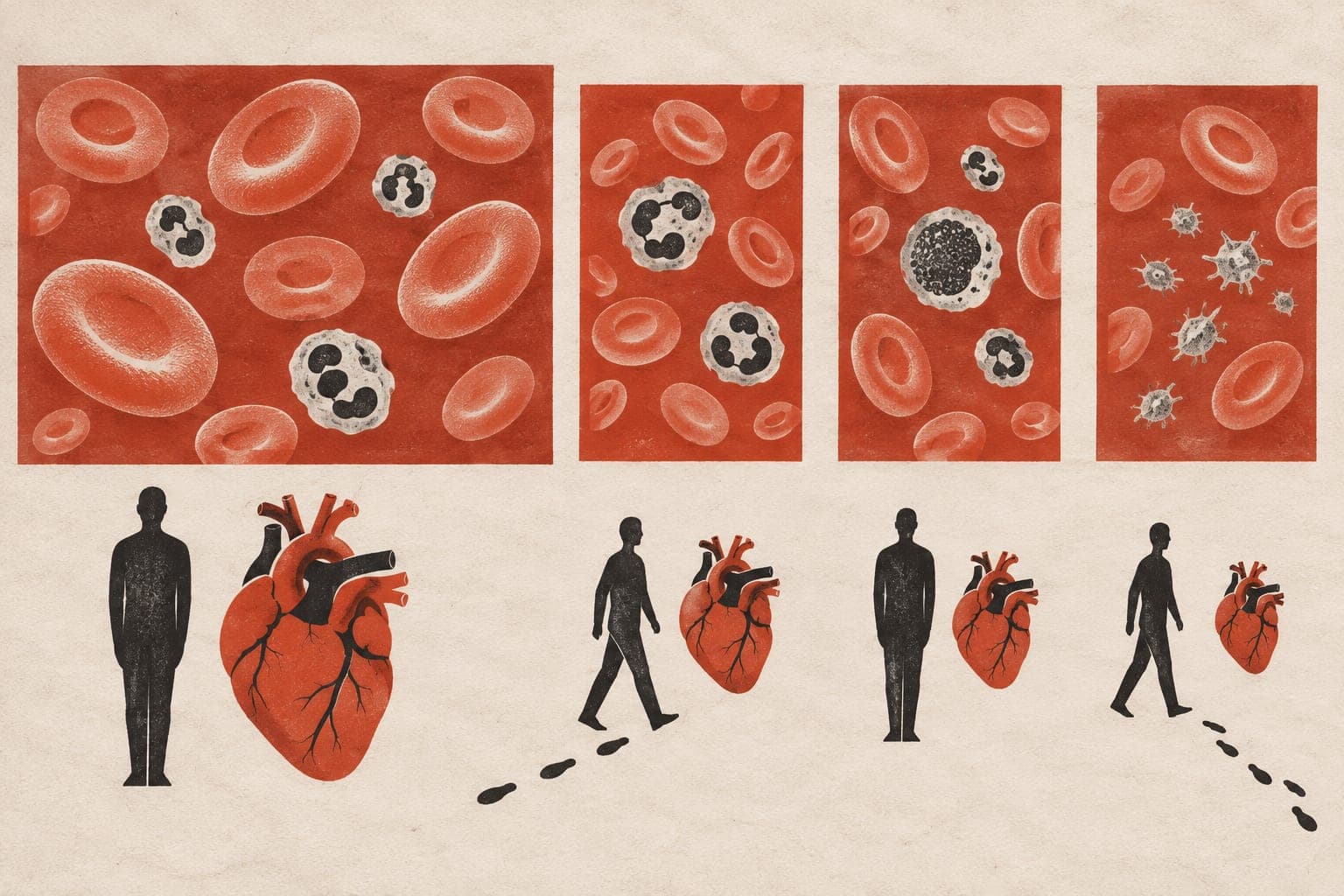
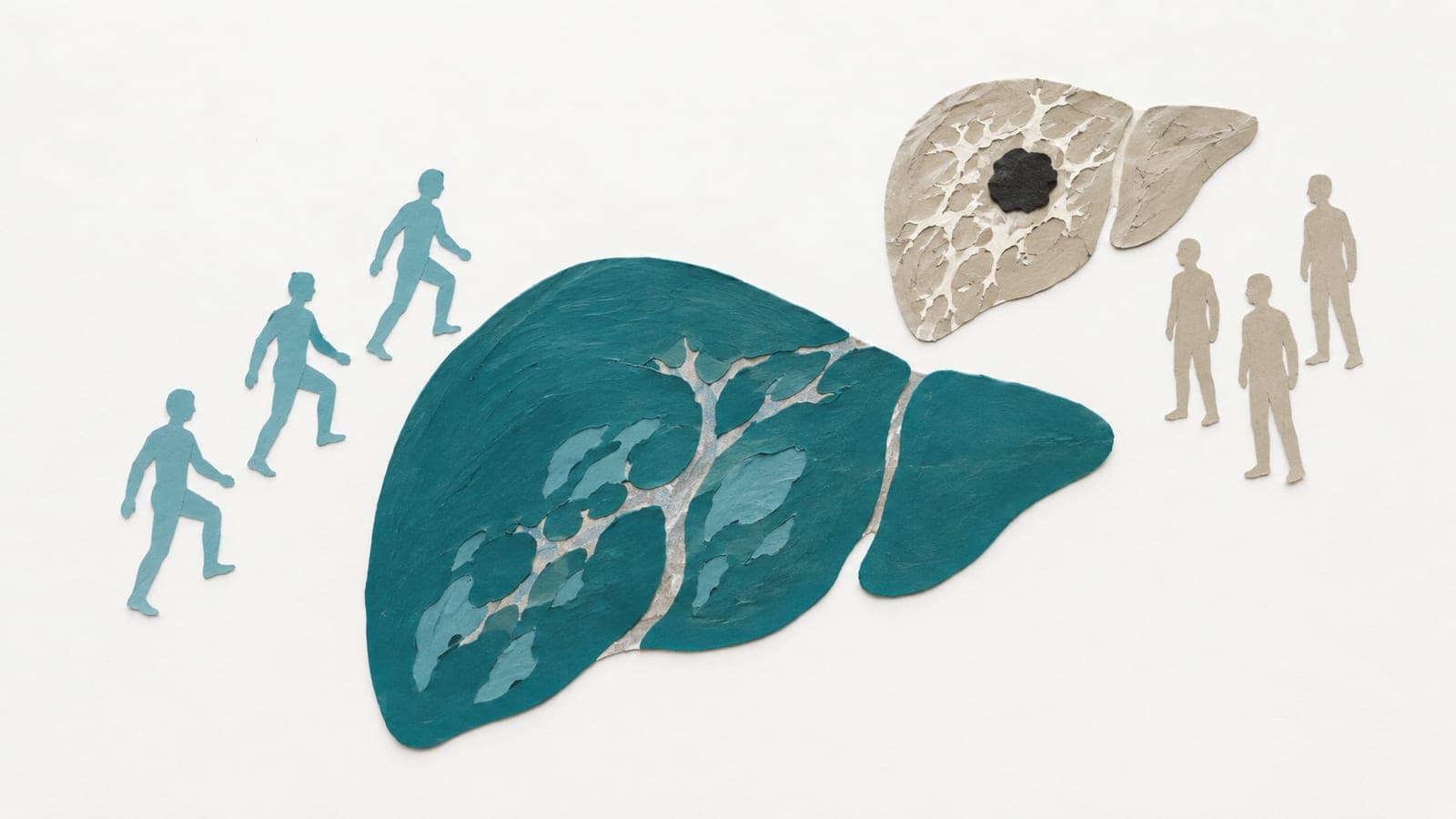
Frailty improvement linked to survival in liver transplant candidates
Candidates whose frailty score improved by at least 0.4 had about 50% lower mortality than those who did not reach that improvement.
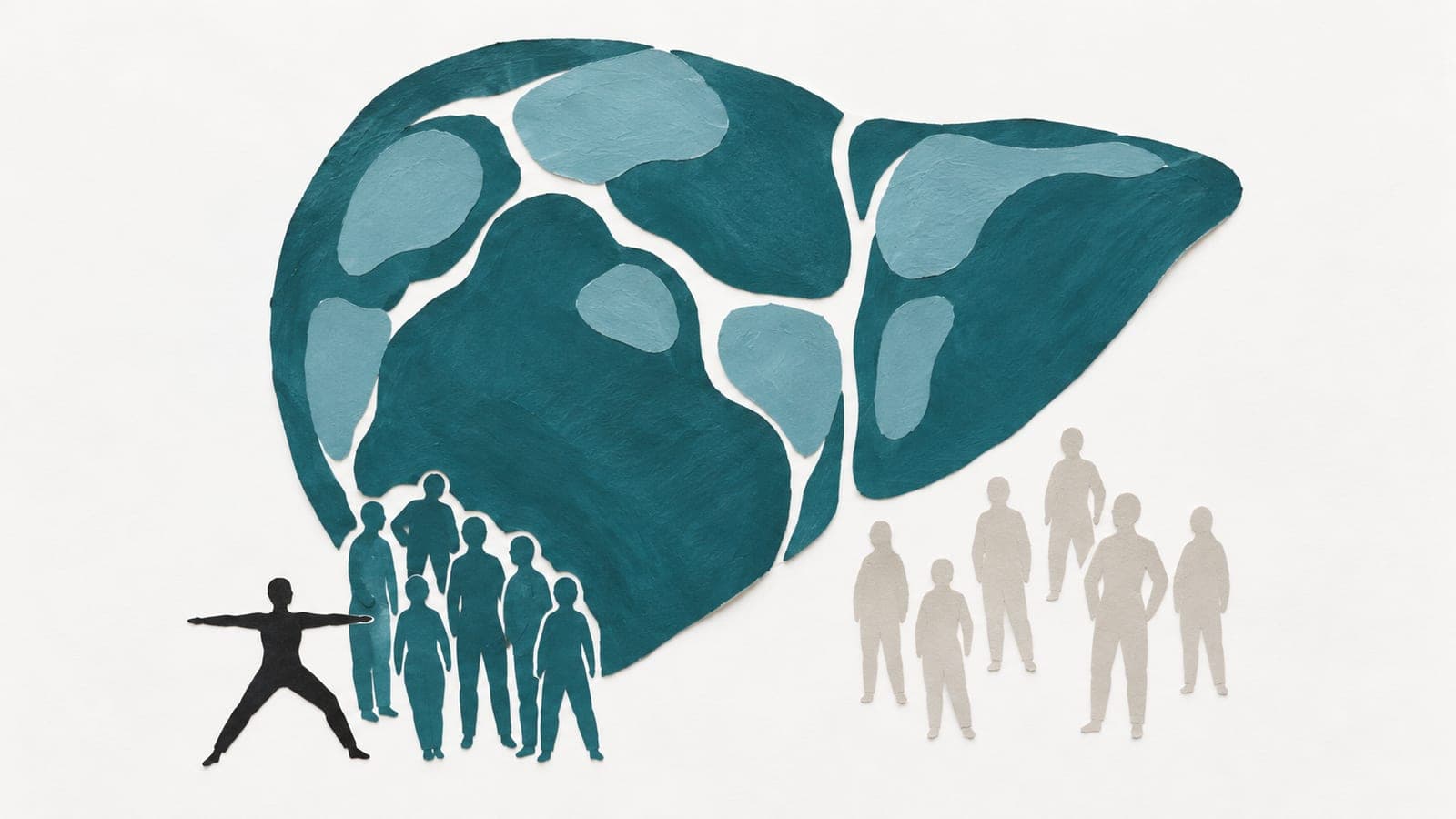
1,275 participants
Limit: Only 355 candidates attended repeated follow-up visits, restricting who contributed frailty-change data
Edited by Boris Djordjevic · AgingResearch.News
An observational cohort study included 1,275 liver transplant candidates, whose average age was 57; 59% were male. A physical therapist assessed them and prescribed personalized programs based on their physical abilities. Of these, 355 attended at least two follow-up visits and participated in the program.
The liver frailty index measures physical vulnerability. Among 352 candidates assessed for changes in this score, 226 improved, with a decrease of 0.39 among those who improved. Of 334 assessed with a six-minute walk test, 212 improved, walking 54 meters farther. A frailty score improvement of at least 0.4 was associated with about 50% lower mortality. Improvements in the walking test were not associated with a survival advantage. Overall, 335 candidates died.
Why it matters
Frailty reflects reduced physical resilience, a concern in healthy aging. Identifying meaningful changes in frailty measures could help set goals for programs preparing people for liver transplantation.
Caveats
This observational study cannot establish that the program improved survival; only 355 candidates attended at least two follow-up visits. The findings may not apply to people who are not liver transplant candidates.
The paper
Clinical Gastroenterology and Hepatology, Oct 21, 2026