Genetic patterns varied with menstrual history in Utah women
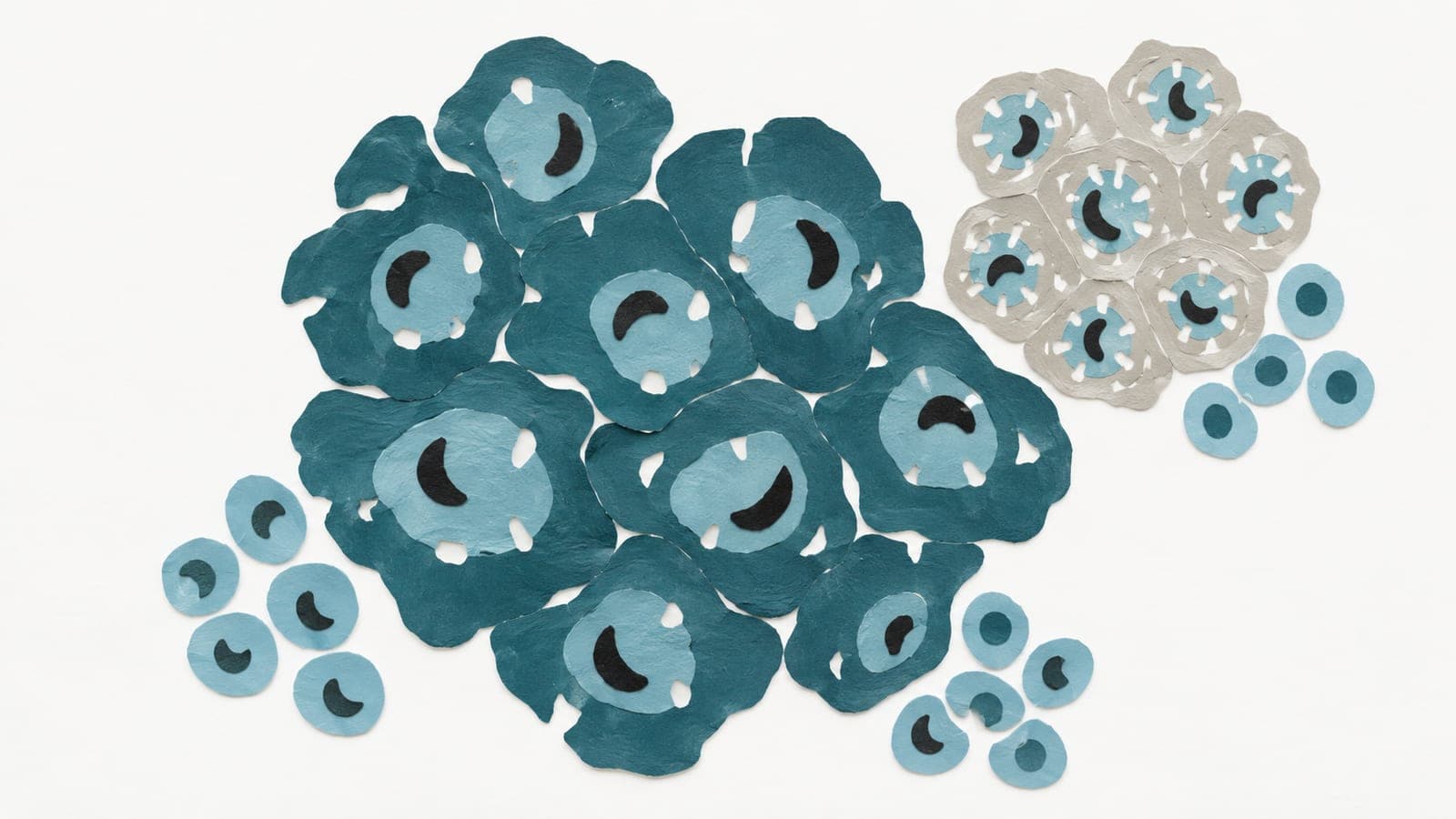
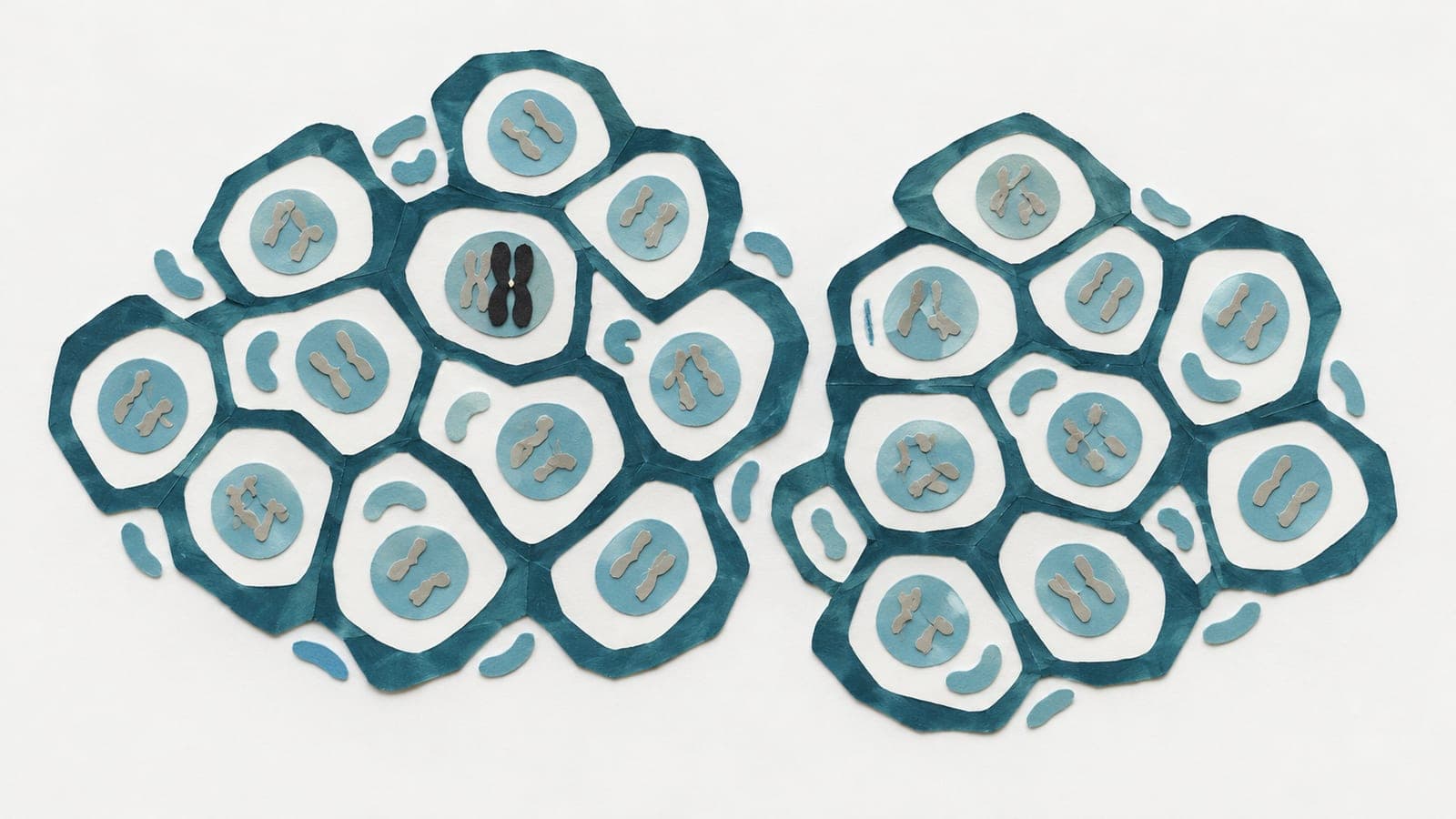
Among 899 women with primary ovarian insufficiency, 32.1% had Turner syndrome, a condition involving a missing or incomplete X chromosome.
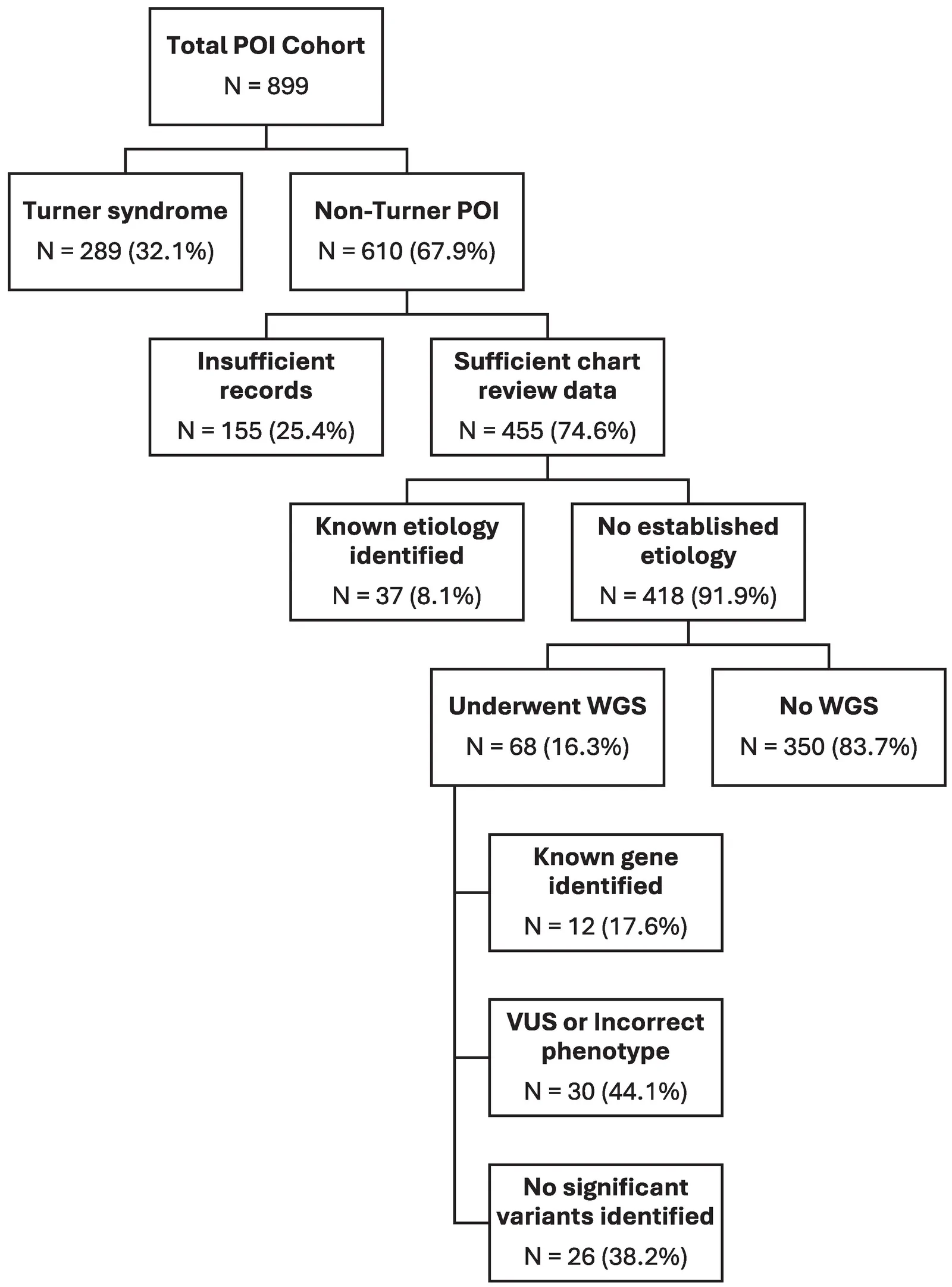
899 participants
Limit: Only 8 women with primary amenorrhea underwent genetic analysis
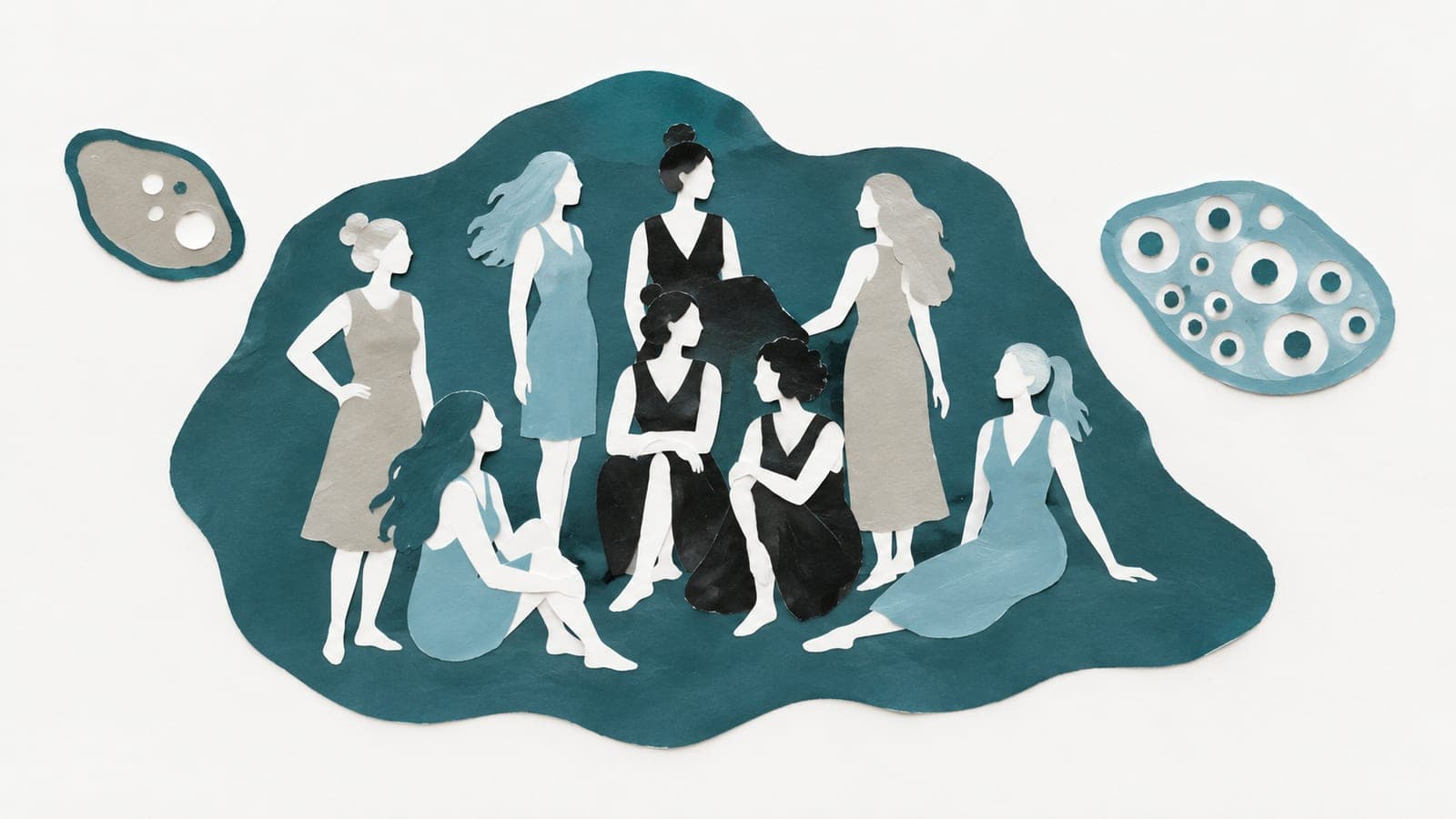
Researchers reviewed medical records of 899 Utah women with primary ovarian insufficiency, in which the ovaries do not function normally, in an observational study. Among the 610 women without Turner syndrome, 8.1% had an established clinical explanation.
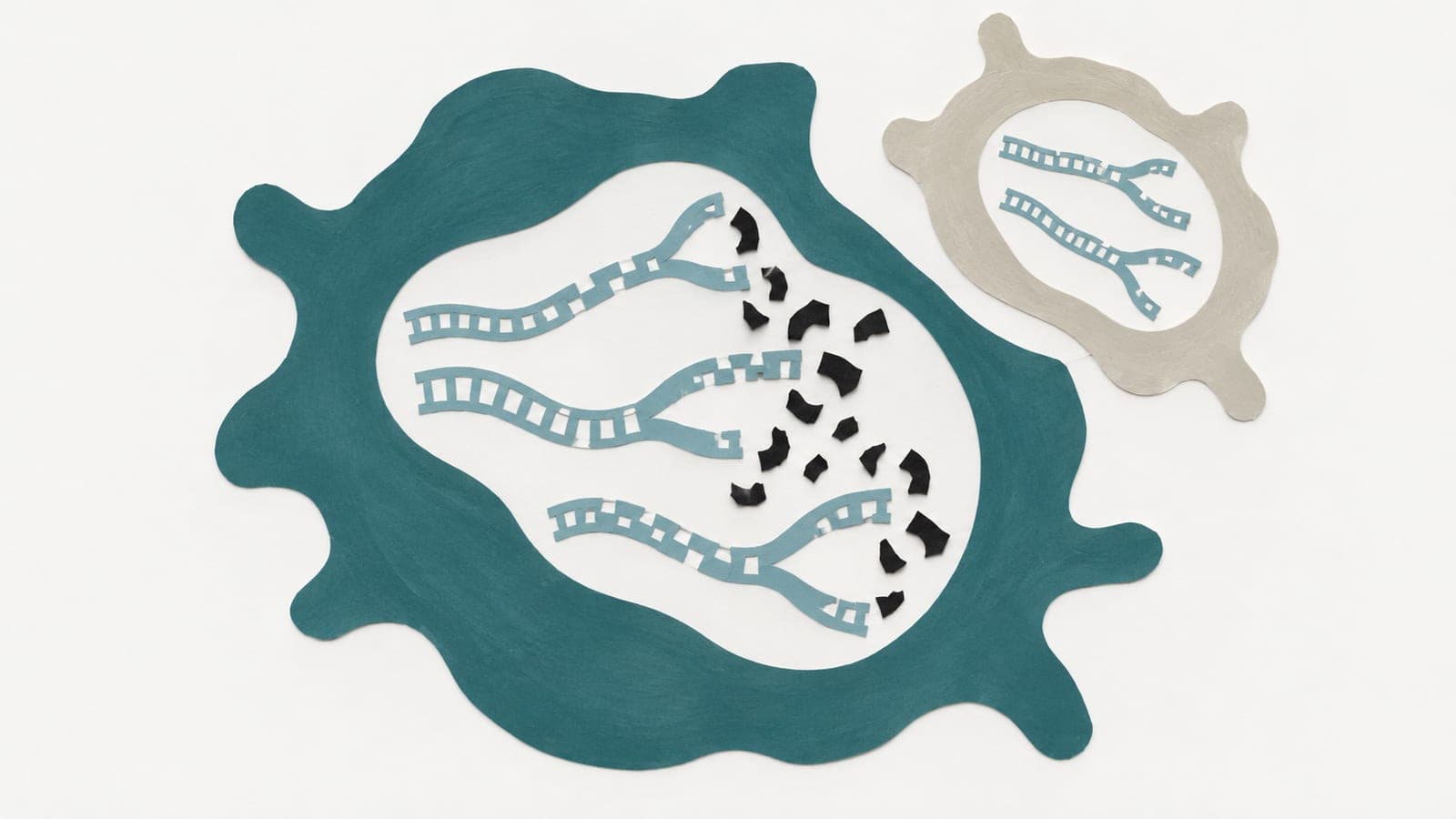
Researchers read the complete DNA sequences of 68 women without an identified cause. They found likely causal genetic diagnoses in 17.6% (12/68). Recessive variants, in which both copies of a gene are affected, were more common among women who had never menstruated. Rare variants affecting one gene copy or multiple rare variants in DNA repair pathways predominated among women whose periods had stopped. A score reflecting common genetic links to menopause timing did not differ overall from controls. However, low scores were linked to added risk in some women carrying rare variants.
Why it matters
Ovarian insufficiency raises questions about the genetics of reproductive aging, including how rare variants and common inherited risk may act together.
Caveats
This observational analysis did not experimentally test how the variants affect ovarian function. Genome sequencing covered only 68 women whose condition lacked an identified cause.
From the paper
- Participants
Genetic analysis using WGS was performed in a subset of the remaining POI patients who were recruited, for a total of 68 individuals (11.1% of the total cohort).
Quoted word for word from the full text on academic.oup.com.
The paper
Chromosomal and genetic causes of primary ovarian insufficiency in the Utah population
University of Utah School of Medicine
Journal of the Endocrine Society, Oct 10, 2026