Baseline characteristics and bone mineral density changes associated with lower fracture risk in osteoporosis: a retrospective cohort study
3 years
Abstract
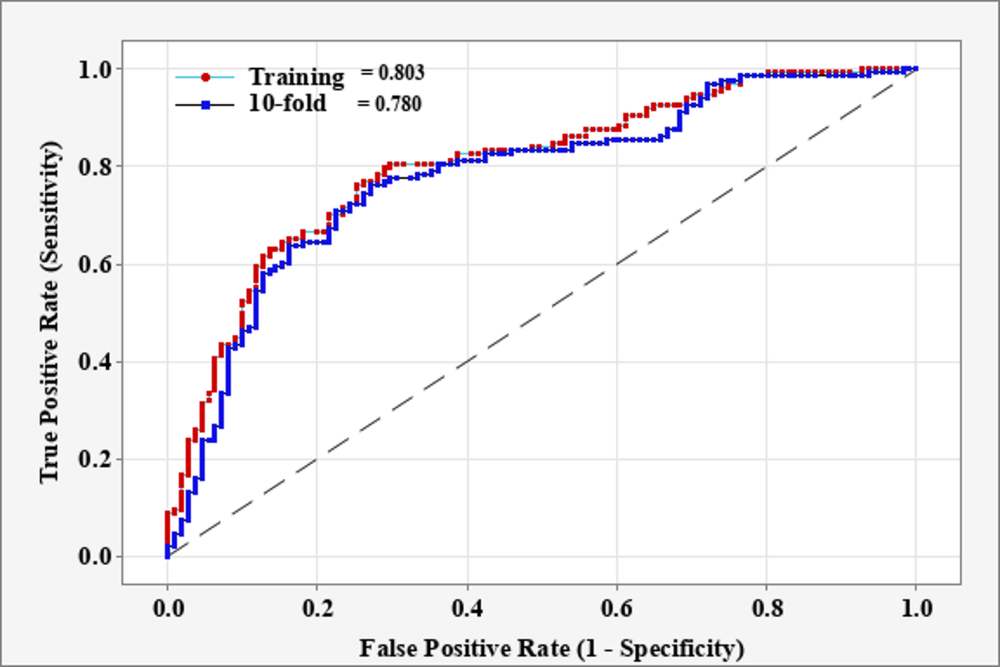
Late diagnosis of osteoporosis with already existing low-energy fractures, often incorrect reassessment of fracture risk and suboptimal therapy is associated with significant unmet needs in high-risk patients. Predictors for fracture risk assessment are the basis of the long-term strategy for monitoring, stratifying patients and treating osteoporosis. To evaluate whether changes in total bone mineral density (BMD) of the lumbar spine and BMD of the femoral neck over 36 months were associated with transition to a lower estimated fracture risk category after adjustment for baseline patient characteristics and treatment type. Retrospective observational cohort study including 298 participants with postmenopausal and senile osteoporosis with and without low-energy fractures undergoing antiresorptive therapy. Data were followed for a period of 3 years and were collected at baseline and at a 1-year follow-up period. Multivariable logistic regression identified denosumab therapy (OR = 4.21, p = 0.003), percentage gain in BMD of the femoral neck (OR = 1.05, p = 0.004), and postmenopausal osteoporosis (OR = 9.37, p = 0.009) as independent predictors of lower fracture risk transition at 36 months. Transition rates were higher with denosumab than bisphosphonates (79.5% vs. 29.6%) and in postmenopausal vs. senile osteoporosis (61.6% vs. 5.7%). The reduced model showed good discrimination (AUC = 0.803), remaining stable on 10-fold cross-validation (AUC = 0.780). Given existing gaps in risk stratification and management of high risk patients, these findings highlight the clinical value of targeting BMD of the femoral neck improvements, optimizing therapeutic choices, and individualizing treatment.
- Denosumab
- Osteoporosis
- Postmenopausal osteoporosis
- Senile osteoporosis
- Estimated fracture risk category
- Humans
The paper
University Hospital for Active Treatment - Burgas AD; University Hospital for Active Treatment "Kaspela"
Rheumatology International, Oct 17, 2026


