Overweight and obesity linked to fewer blood clots in hospital
Compared with normal weight, overweight and obesity were linked to 18% and 22% lower odds, respectively, of blood clots in veins.
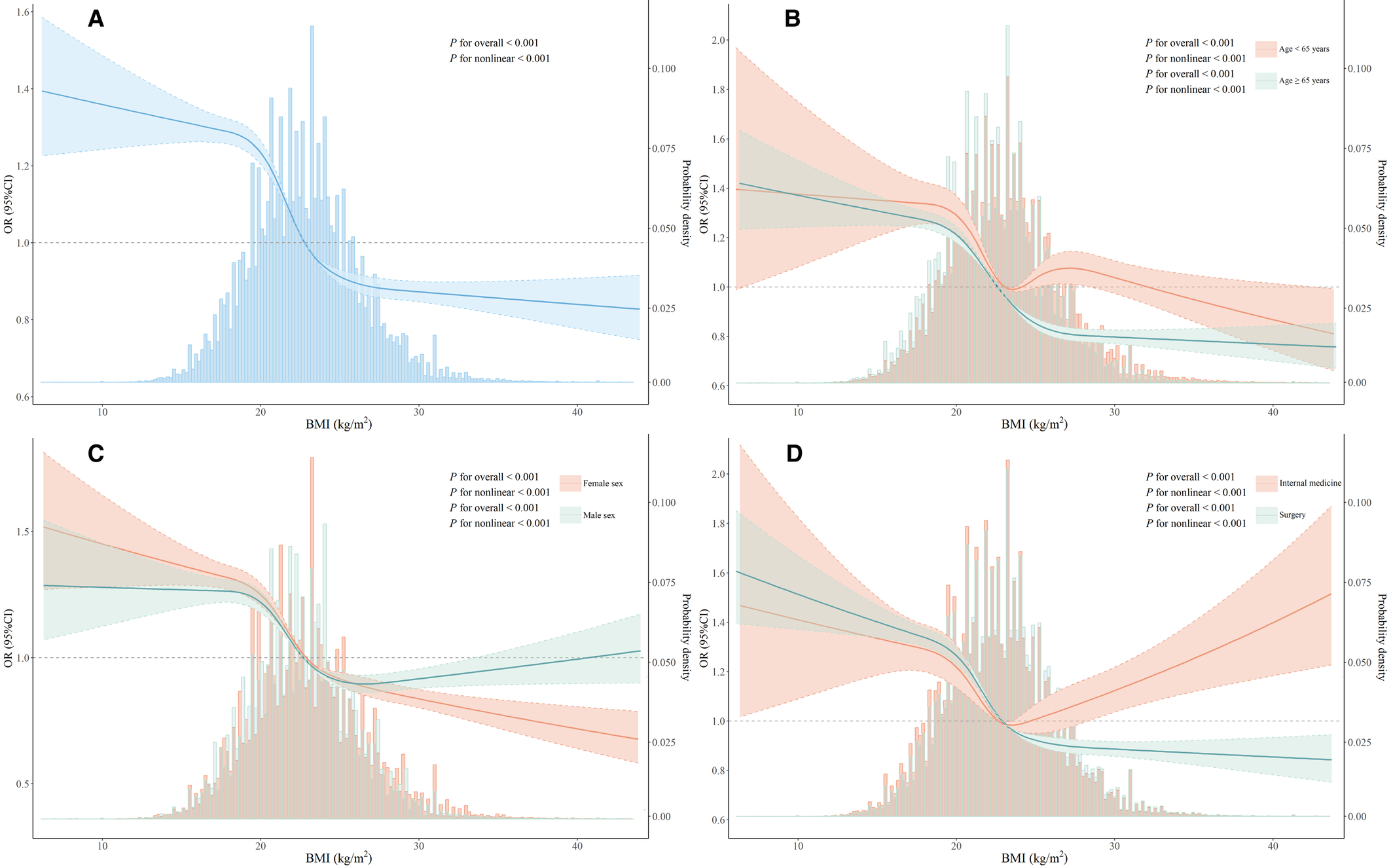
A nationwide observational cohort study analysed 3,199,526 hospital inpatients at potential risk of venous thromboembolism, or blood clots in veins. Researchers grouped patients by body mass index, a measure of weight relative to height. During hospitalisation, 59,002 patients (1.8%) developed clots.
After accounting for other factors, overweight and obesity were linked to lower odds of clots than normal weight. The association was strongest in patients aged 65 or older, women and surgical patients. However, obesity was linked to higher odds of clots among internal medicine patients. Among patients who developed clots, 636 (1.1%) died before discharge. Overweight and obesity had no clear association with these deaths overall. Within the surgical subgroup, obesity was linked to lower odds of death after a clot.
Why it matters
For older hospital patients, the study addresses whether the relationship between body weight and clot risk differs by age and between medical and surgical care.
Caveats
The observational design cannot establish cause and effect. The findings concern hospital inpatients at potential risk of blood clots, not the general population.
The paper
Peking University Key Laboratory of Epidemiology of Major Diseases
Journal of the American Heart Association, 16 Oct 2026