Upper-limb motor-cognitive dual-task performance and incident disabling dementia among older adults
Abstract
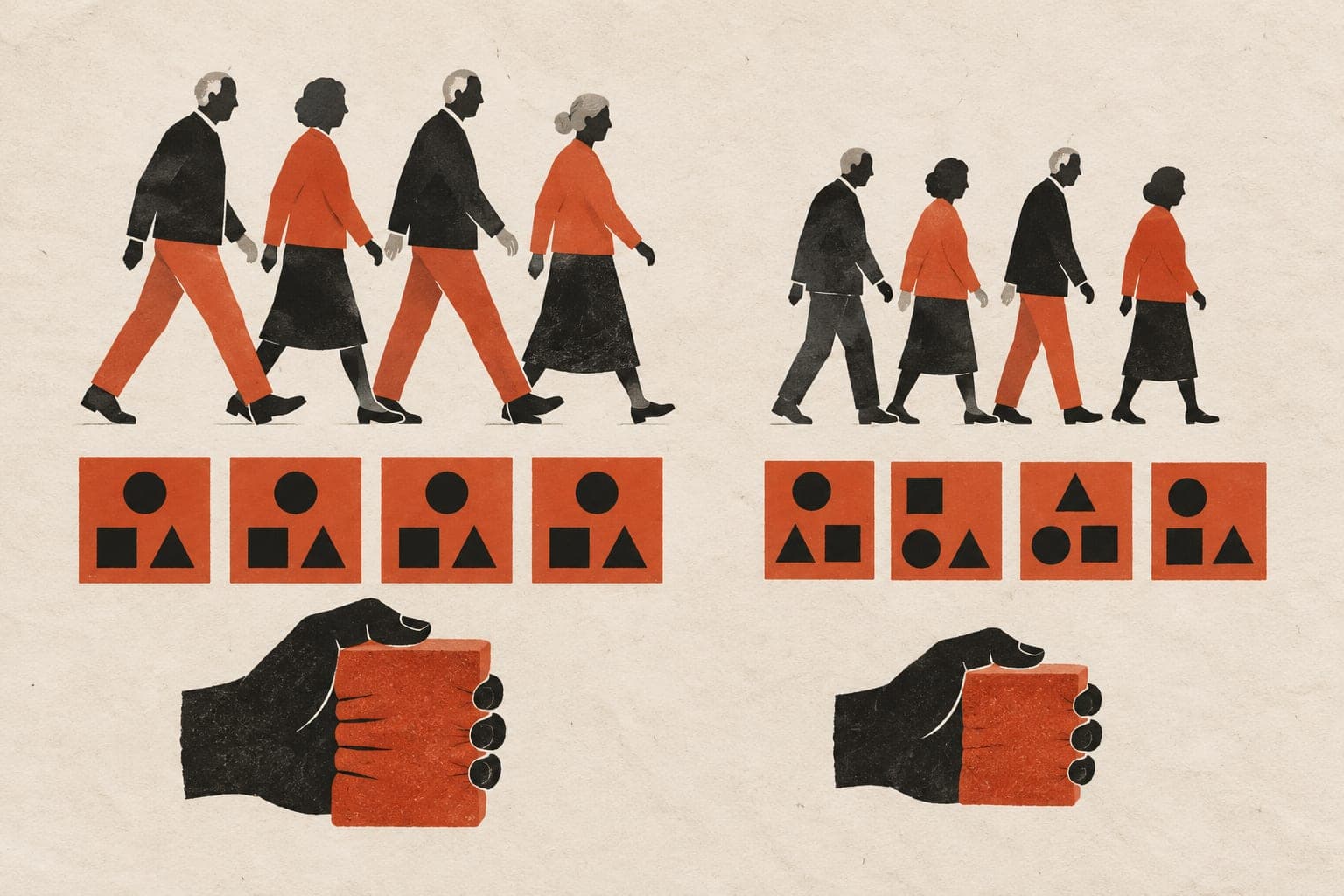
BACKGROUND: Upper-limb motor-cognitive dual-task performance may help identify older adults at elevated risk of dementia; however, longitudinal evidence remains limited. In this prospective study, we examined associations of Digital Trail Making Peg Test Part A (DTMP-A) and Part B (DTMP-B) completion times with incident disabling dementia. Corresponding associations were examined for related motor- and cognitive-oriented measures. METHODS: This community-based longitudinal study included 274 Japanese adults aged 65 years or older from the Kasama Study who completed the DTMP assessment in 2020 or 2021. Incident disabling dementia was ascertained from municipal long-term care insurance records using cognitive disability grade IIa or higher. Cox models were used to examine the peg-moving task, Trail Making Test (TMT)-A, TMT-B, DTMP-A, and DTMP-B. Post hoc exploratory analyses of DTMP-B included time-dependent receiver operating characteristic, Kaplan-Meier, and spline analyses. RESULTS: During a mean follow-up of 4.2 years, 16 participants (5.8%) developed incident disabling dementia. In the fully adjusted model, longer DTMP-B completion time was associated with incident disabling dementia (hazard ratio per 10-second increase, 1.09; 95% confidence interval, 1.01-1.17), whereas corresponding associations for the other four measures were not statistically significant. In the post hoc analysis, the 4-year area under the curve was 0.76 (95% confidence interval, 0.62-0.90). CONCLUSION: Upper-limb motor-cognitive dual-task performance, assessed by DTMP-B completion time, was associated with incident disabling dementia among community-dwelling older adults. These findings support further evaluation of DTMP-B as a potential performance-based indicator of incident disabling dementia risk.
- Disabling dementia
- Incident disabling dementia
- Cognitive disability grade
- DTMP-A completion time
- DTMP-B completion time
- Humans
The paper
University of Tsukuba
Annals of Geriatric Medicine and Research, Oct 16, 2026, Open access