Triggers and Modifiers of Acute Coronary Events and Implications for Practice: An Umbrella Review
Abstract
AIM: To synthesise evidence from systematic reviews on triggers and modifiers of acute coronary events to identify clinical implications. Triggers refer to transient exposures that may precipitate acute coronary events through several potential biological and haemodynamic mechanisms. DESIGN: An umbrella review. DATA SOURCES: MEDLINE, EMBASE, PsycINFO, CINAHL, Scopus, Web of Science, Epistemonikos, and Google Scholar were searched in May 2024, and an updated search was conducted in February 2025. METHODS: This umbrella review was conducted following Joanna Briggs Institute (JBI) methodological guidance. Systematic reviews assessing short-term or acute triggers and acute coronary events, including acute coronary syndrome, myocardial infarction, coronary occlusion, or spontaneous coronary artery dissection, and published in English were included. The quality of included reviews was evaluated using the JBI critical appraisal instrument. RESULTS: Twenty-four systematic reviews examining 11 acute coronary event triggers were included. The most frequently reported triggers were air pollution (n = 8 reviews), respiratory infection (n = 6), and physical exertion (n = 4). The hazard period was primarily 0-2 h for physical exertion, sexual activity, and emotional stress, while environmental and infection-related triggers extended to 7 days for air pollution, up to 20 days for heat exposure, and 28 days for respiratory infections. Population-attributable fractions were reported for physical exertion (10.6%), emotional stress (3.9%), and anger (3%). Potential modifiers of risk identified, such as regular physical activity, beta-blocker use, and influenza vaccination, highlight opportunities for personalised prevention strategies to reduce risk when exposed to potential triggers. CONCLUSION: These findings highlight the role of triggers in acute coronary events. Future research should prioritise translating these insights into clinical nursing practice to mitigate acute event risk. IMPACT: Awareness of trigger-specific risks can guide nurses to deliver targeted patient education, conduct precise risk assessments, and implement exposure-management strategies, particularly for individuals at elevated cardiovascular risk. PATIENT OR PUBLIC CONTRIBUTION: Not applicable.
From the paper
- Studies
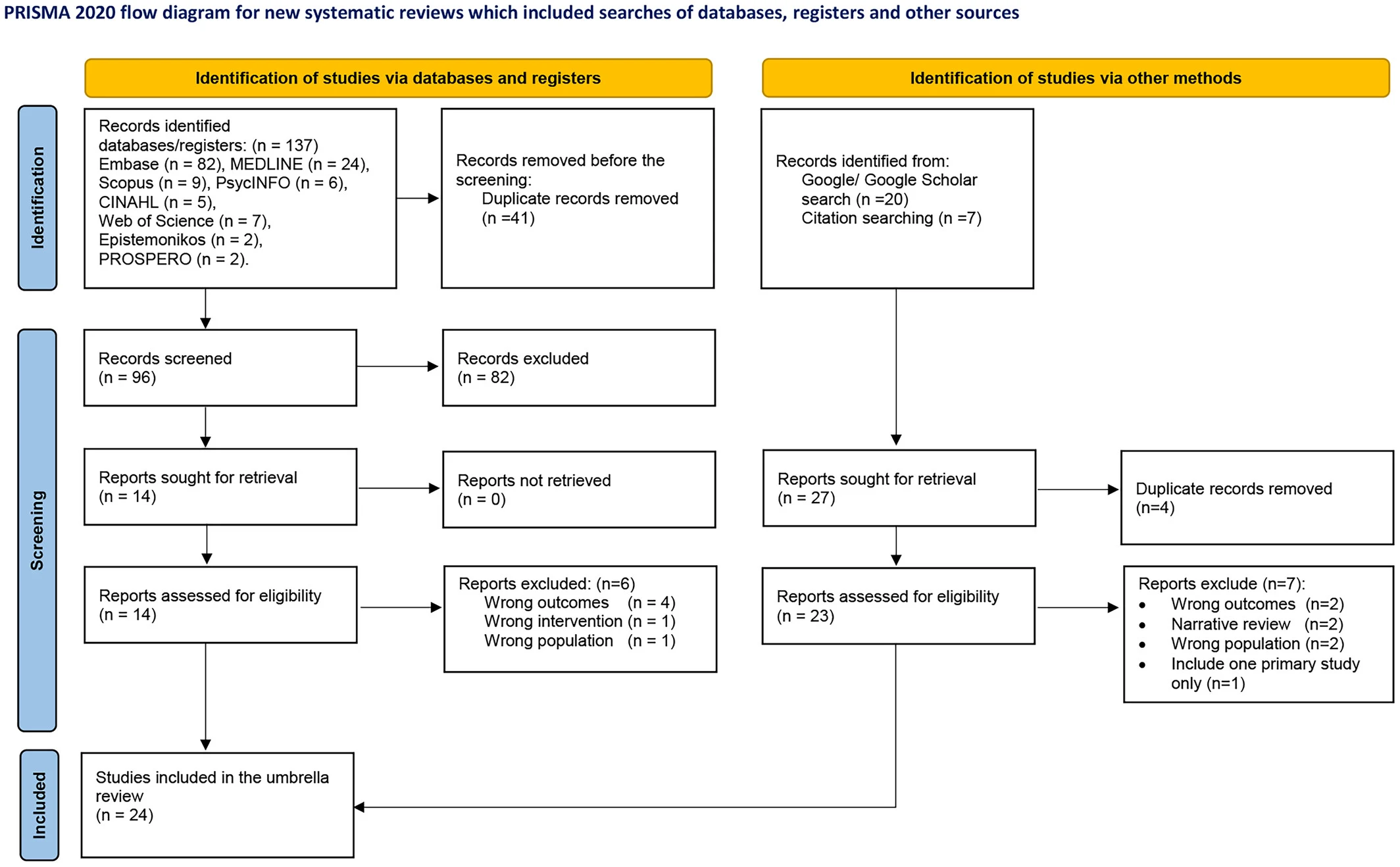
Our systematic search identified 164 potentially relevant review studies.
- Result
… reported sexual activity as a trigger of MI with RRs reported to range between 2.10 (95% CI: 0.70–6.50) to 2.70 (95% CI: 1.48–4.91) (Culić et al. 2005; Dahabreh and Paulus 2011; Nawrot et al. 2011) and an OR of 3.11 (95% CI: 1.79–5.43) (Nawrot et al. 2011).
- Limitation
While umbrella reviews provide a broad synthesis of existing evidence, they cannot replace systematic reviews of primary studies when the most recent or highly specific data are required (Belbasis et al. 2022).
Quoted word for word from the full text on onlinelibrary.wiley.com.
The paper
University of Sydney
Journal of Advanced Nursing, 15 Oct 2026