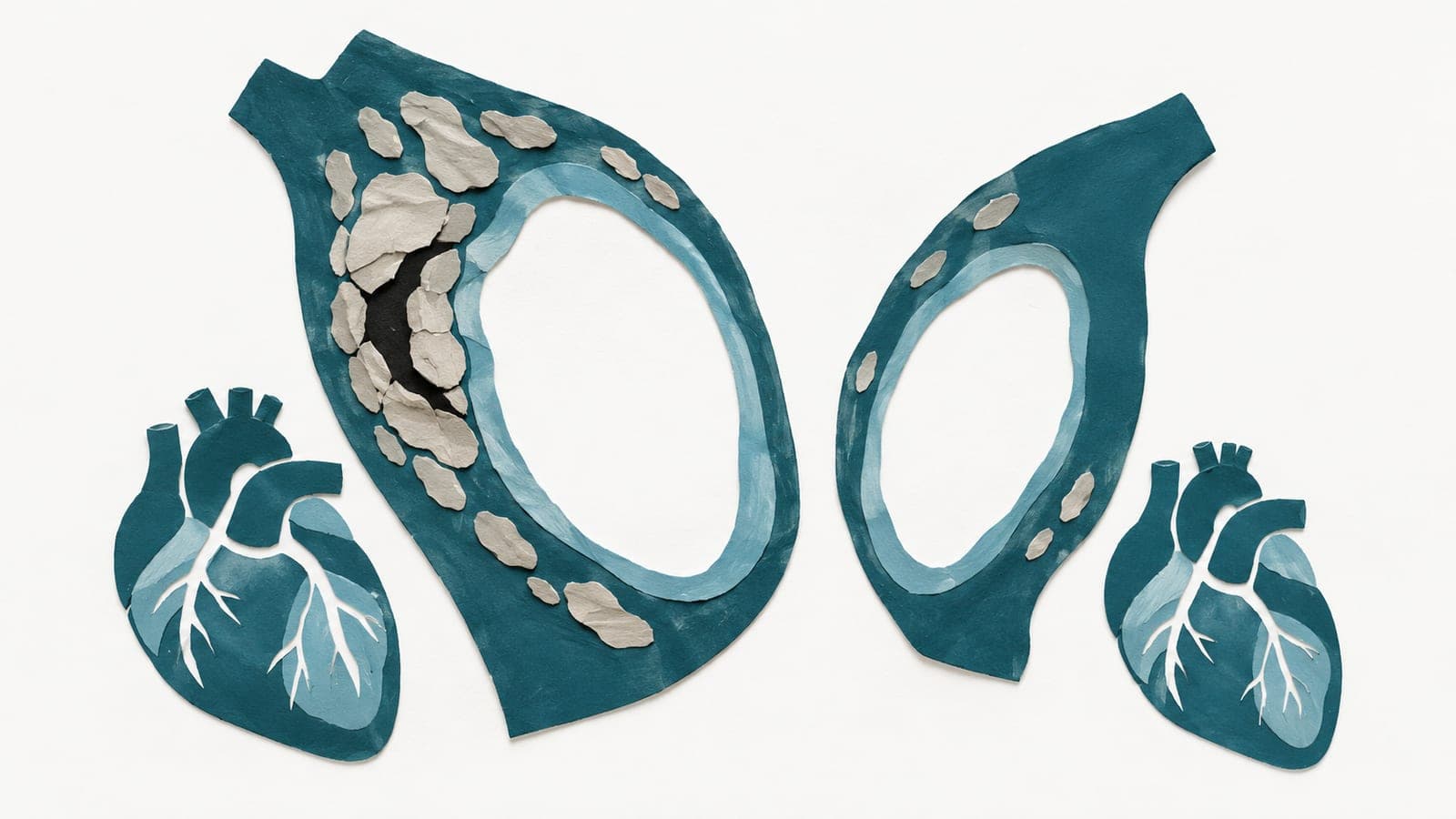
Low heart blood supply linked to risk across age groups
An observational study of 73,038 patients linked poorer heart blood supply to death or heart attack risk across age groups over a median 3.7 years.
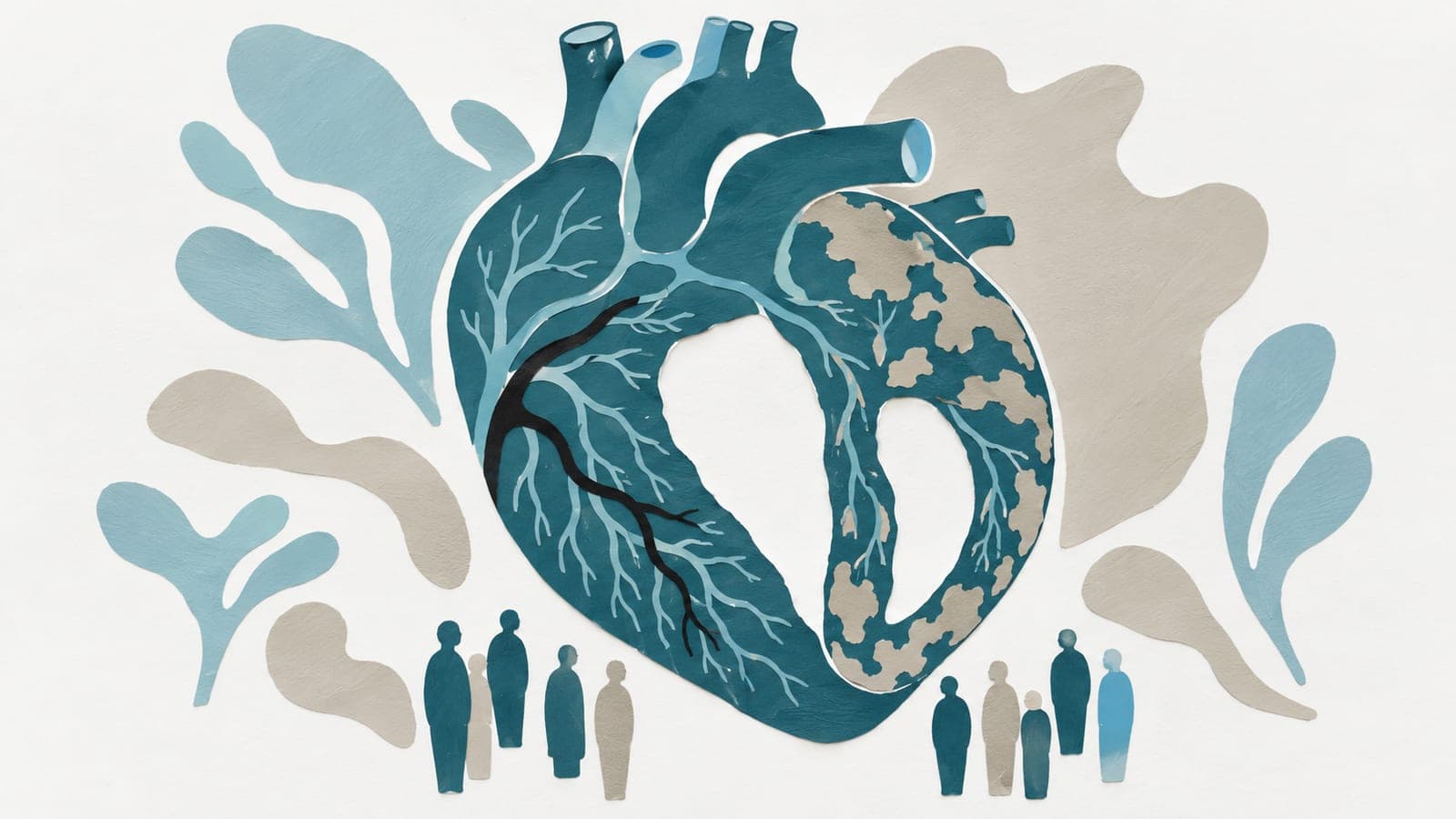
73,038 participants
Limit: The across-age prognostic analysis excluded patients undergoing early revascularization
Researchers analysed 73,038 patients with a median age of 66 in an observational study of heart blood-supply scans at 20 sites. They examined whether reduced blood supply, called ischaemia, predicted death or a nonfatal heart attack. They also compared medical therapy with procedures to restore blood flow within 90 days of scanning.
Over a median 3.7 years, 10,757 deaths or nonfatal heart attacks occurred. As ischaemia increased, early procedures were associated with lower event rates than medical therapy across most age groups. Ischaemia remained linked to risk across all age groups among patients who did not undergo early procedures. The association between early procedures and better outcomes appeared weaker in an exploratory analysis of 3,031 patients aged 85 or older.
Why it matters
The study addressed whether heart scans remain useful for guiding decisions about restoring blood flow as people grow older.
Caveats
This observational study cannot establish that the procedures caused better outcomes. The exploratory estimate for patients aged 85 or older was imprecise, with a range of likely values that included no difference.
- Early revascularization
- Myocardial ischemia
- Myocardial infarction
- Ischemic burden
- Myocardial flow reserve
- Humans
The paper
Icahn School of Medicine at Mount Sinai; Artificial Intelligence in Medicine Research Center
Circulation Cardiovascular Imaging, 14 Oct 2026