Triple Renal Pathology in a Patient With Myeloperoxidase-Associated Vasculitis, Diabetic Nephropathy, and Immunoglobulin A Nephropathy: A Case Report
14 months
Abstract
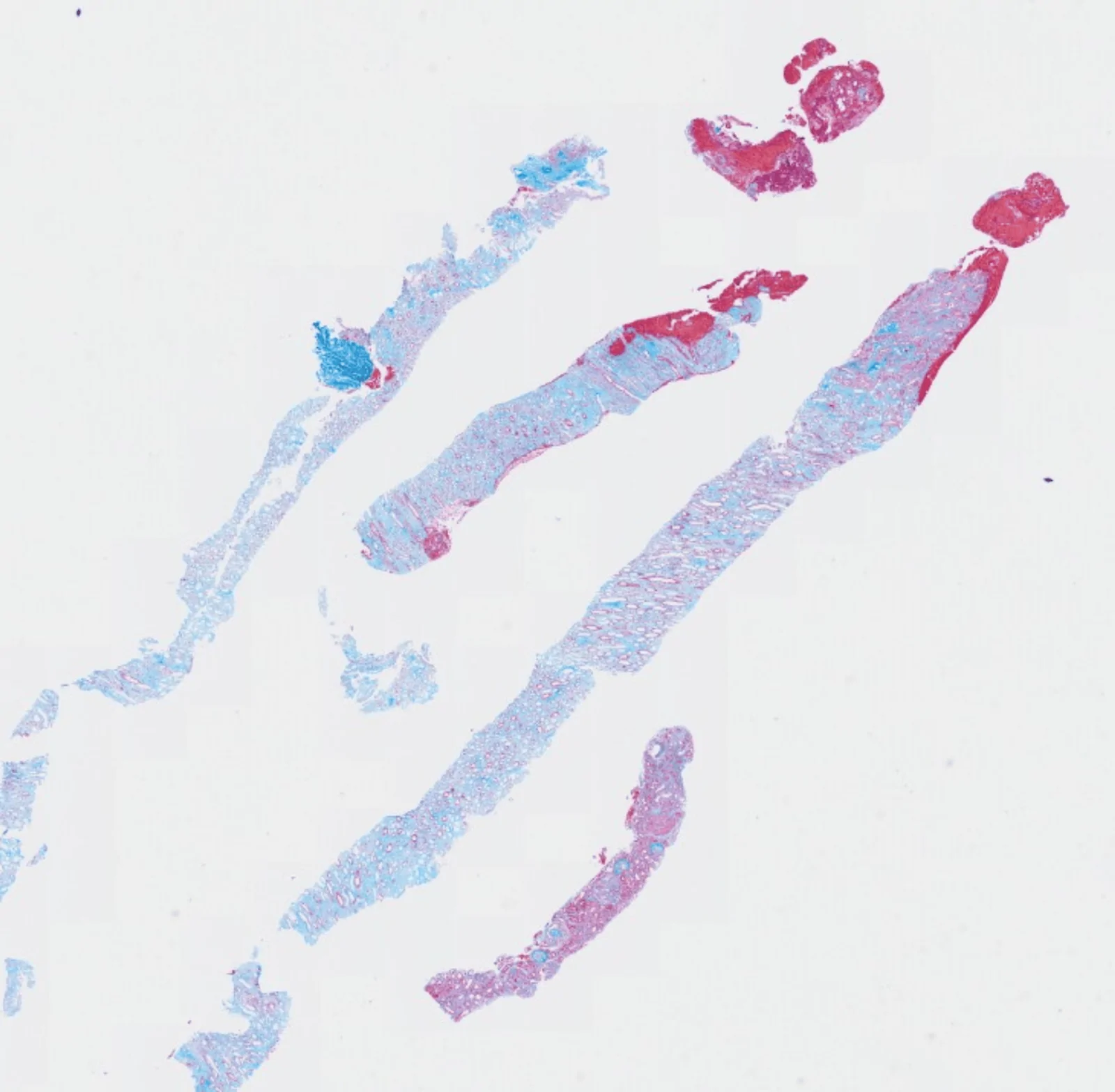
Rapidly progressive glomerulonephritis (RPGN) is a nephrologic emergency often caused by antineutrophil cytoplasmic antibody (ANCA)-associated vasculitis. While superimposed diabetic nephropathy can alter the clinical baseline, the concurrent presentation of ANCA vasculitis, diabetic nephropathy, and immunoglobulin A (IgA) nephropathy is uncommon. We present a unique case of a triple-overlap renal pathology. A 56-year-old female patient with a history of type 2 diabetes mellitus presented with acute kidney injury (AKI) with a peak serum creatinine of 5.2 mg/dL, accompanied by macroscopic hematuria and nephrotic-range proteinuria (urine protein-to-creatinine ratio >16,000 mg/g). Serological workup revealed highly elevated myeloperoxidase (MPO) antibodies (677 AI). A renal biopsy confirmed three distinct pathologies: focal crescentic glomerulonephritis, nodular diabetic glomerulosclerosis (Class III), and mesangial IgA deposition. The patient received induction therapy with plasma exchange (PLEX), pulse-dose corticosteroids, and intravenous cyclophosphamide. Due to the cumulative toxicity profile of cyclophosphamide, she was transitioned to maintenance rituximab. To address the residual proteinuria driven by the concurrent diabetic and IgA-associated glomerular injury, sodium-glucose cotransporter-2 (SGLT2) inhibitors and angiotensin receptor blockers (ARBs) were added as supportive therapy. Over 14 months, her serum creatinine stabilized at 1.45 mg/dL, MPO titers decreased to 28 AI, and proteinuria improved to ~6,200 mg/g. This case highlights the critical importance of renal biopsy in diabetic patients presenting with atypical renal function decline or active urinary sediment. Furthermore, it demonstrates that a multimodal therapeutic approach is associated with substantial renal recovery in complex overlapping glomerular diseases.