The role of sitagliptin in modifying metabolic, hormonal and clinical parameters in polycystic ovarian syndrome patients: a randomized controlled trial
3 months, registered NCT05972928
Abstract
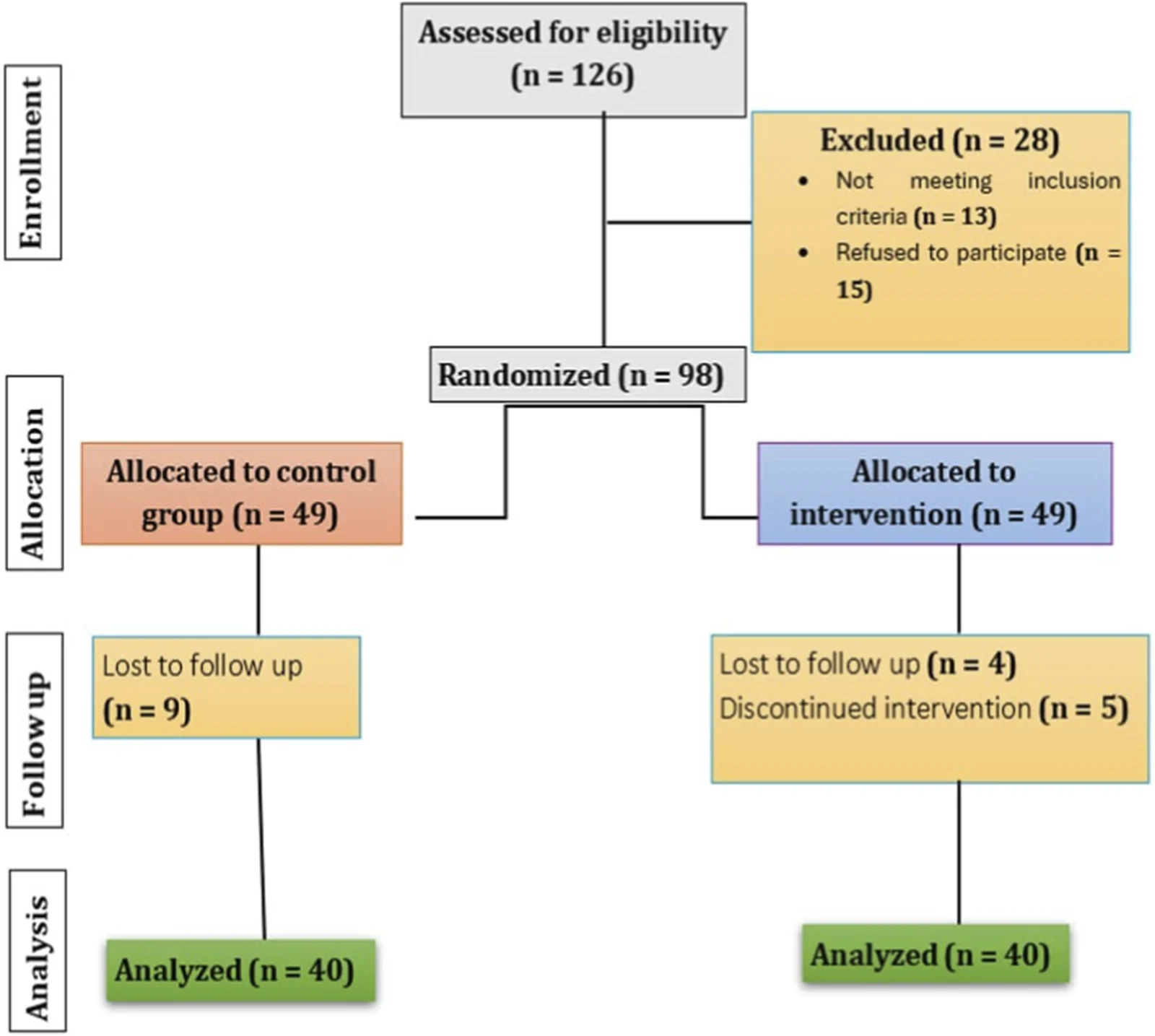
BACKGROUND: Polycystic ovarian syndrome (PCOS) is a disease that is not limited to reproductive symptoms; it is also significantly linked to metabolic problems such as obesity, insulin resistance, and dyslipidemia. Sitagliptin, a DPP-4 inhibitor, may play a significant role in metabolic, inflammatory, and hormonal abnormalities in PCOS patients. OBJECTIVE: This randomized clinical trial aimed to investigate the impact of sitagliptin on metabolic disturbances, hormonal abnormalities, and clinical outcomes in patients with PCOS. The study is registered on Clinicaltrials.gov with an ID of (NCT05972928). METHODS: This randomized controlled trial was conducted at Beni-Suef University Hospital, involving 80 women diagnosed with PCOS based on the Rotterdam criteria. Participants were equally allocated into either a sitagliptin group, receiving 100 mg daily, or a control group, with a follow-up period of 3 months. Changes in body weight served as the sole primary outcome of the study. Meanwhile, changes in BMI, HOMA-IR, lipid profile, and hormonal indicators, along with clinical improvements in infertility, hirsutism, acne, and menstrual irregularity, were evaluated as secondary outcomes. RESULTS: Regarding the primary outcome, a highly significant reduction in body weight was observed within the sitagliptin group (p < 0.001). Similarly, secondary outcomes including BMI, HOMA-IR, DHEA, HbA1c, total and free testosterone, and LH levels, all demonstrated significant decreases (p < 0.05). Clinical secondary outcomes also showed potential improvements, with menstrual regularity increasing significantly (p = 0.006), alongside visible reductions in hirsutism (p = 0.006) and exploratory reduction in the infertility rates (p = 0.031), that needs further confirmation. Furthermore, the intervention was well-tolerated, as recorded side effects were both rare and mild in intensity. CONCLUSION: Sitagliptin has potential impact on the hormonal, metabolic and clinical aspects of PCOS, and an exploratory effect on reproductive function. This makes it a potentially promising option for managing this complex condition. CLINICAL TRIAL REGISTRATION: https://clinicaltrials.gov/study/NCT05972928, identifier NCT05972928.
From the paper
- Primary outcome
As demonstrated in, participants managed with sitagliptin exhibited a highly significant, unconfounded reduction in body weight compared to the control cohort, with an adjusted mean difference of −4.31 kg (SE: 0.50, 95% CI: −5.29 to −3.32, p ≤ 0.001).
Results, Baseline-adjusted regression analysis of primary outcome (weight)
- Harms
To sum up, no statistically significant differences in adverse events were observed between groups, and no severe adverse effects were reported.
Quoted word for word from the full text on PubMed Central.
The paper
King Abdulaziz University; Beni-Suef University
Frontiers in Pharmacology, Sep 29, 2026, Open access