Osteocalcin and impaired cerebral resting-state functional connectivity in postmenopausal osteoporosis: a pilot case-control study
Abstract
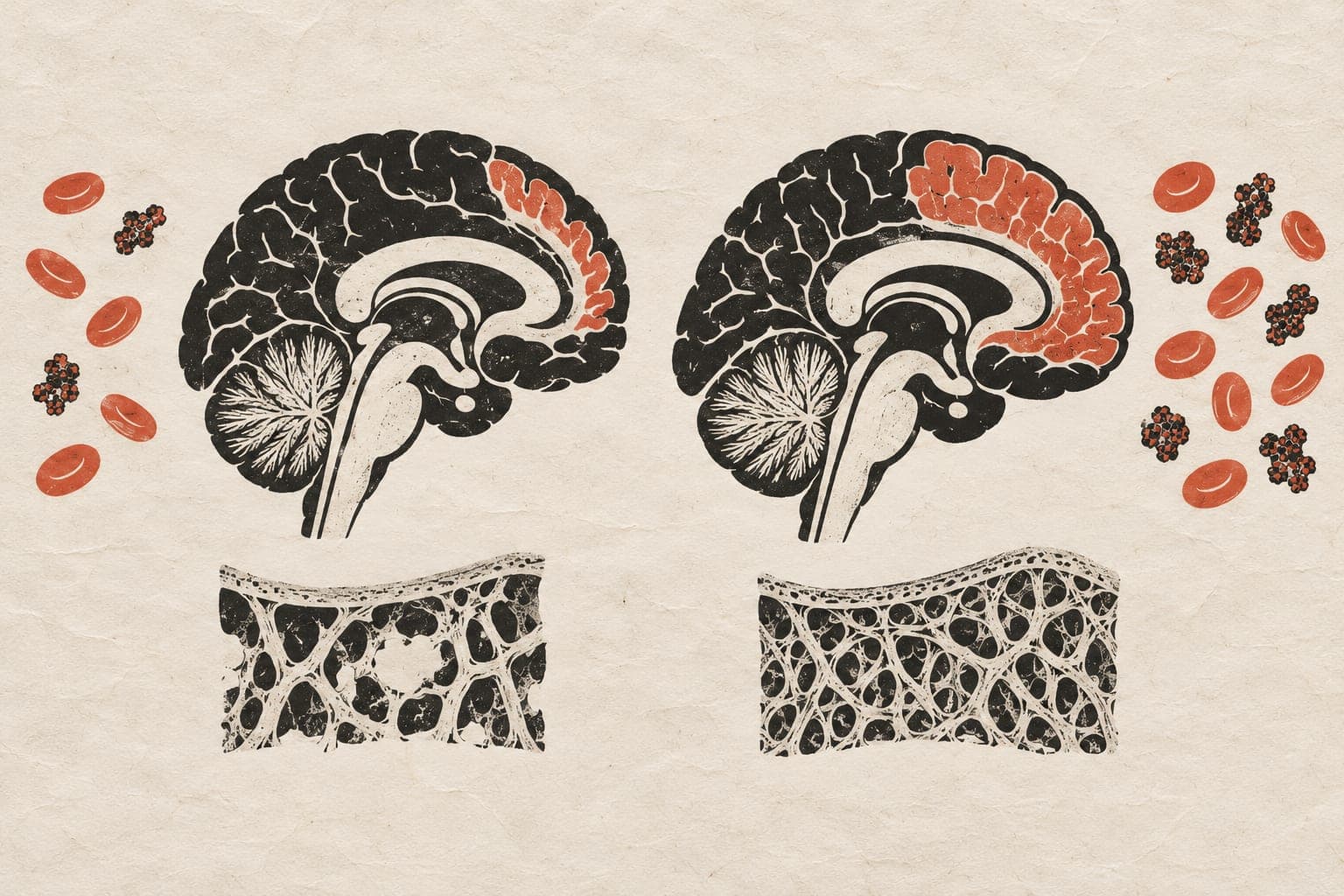
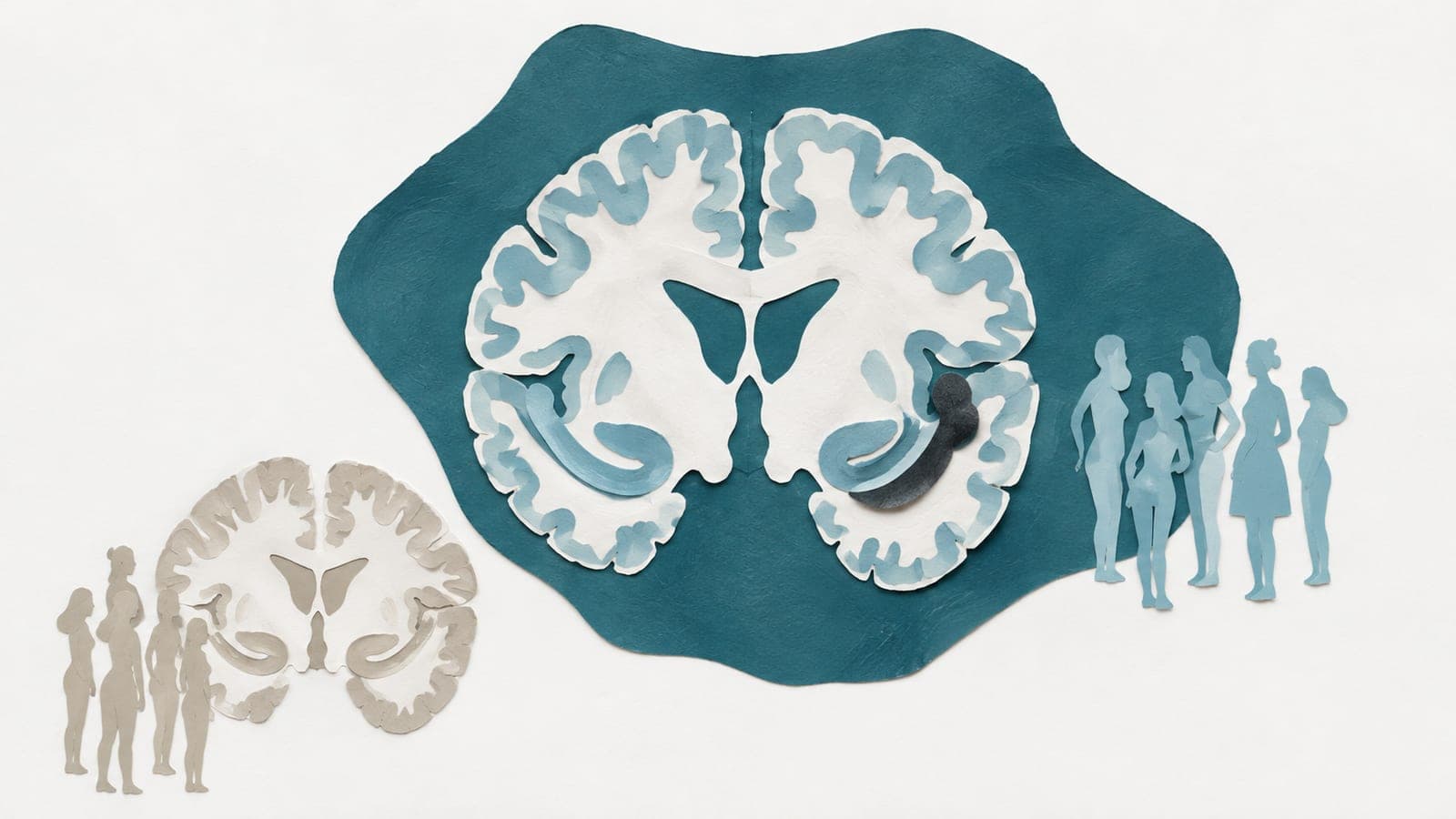
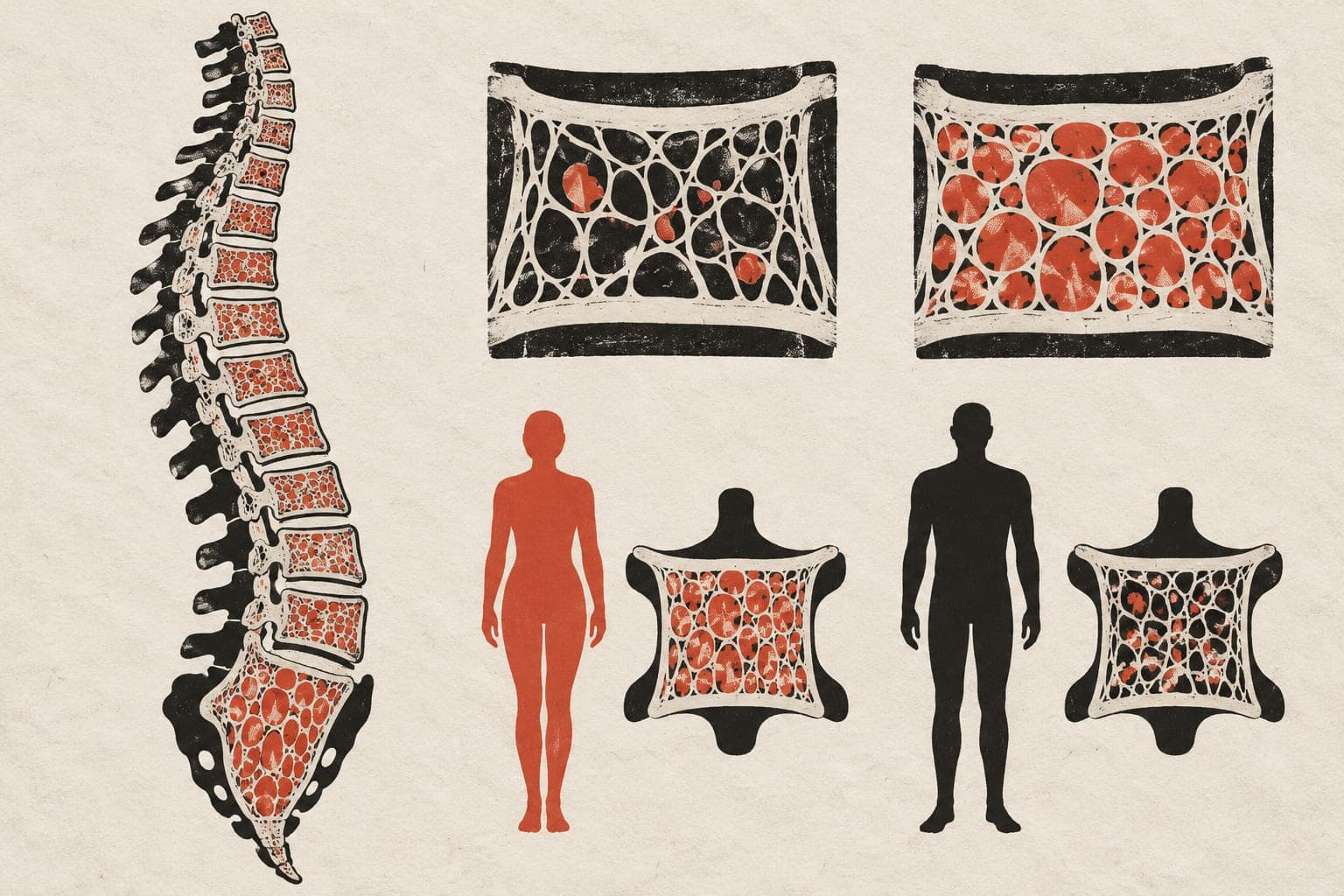
PURPOSE: Postmenopausal osteoporosis and circulating osteocalcin have been suggested to influence brain function. Objectives aim to explore associations between brain network resting-state functional magnetic resonance imaging (fMRI) connectivity, bone status, and circulating osteocalcin with the hypothesis of an impairment of the bone-brain axis in osteoporosis. METHODS: This pilot fMRI case-control study included postmenopausal osteoporosis women and matched healthy volunteers, and took place in University Hospital, Clermont-Fd, France. Endpoints were the comparisons between cases and controls of intra- and internetworks connectivity and correlations with bone mineral density (BMD) and osteocalcin. RESULTS: Twenty women with osteoporosis and ten matched healthy volunteers were included. Salience, visual and language intranetwork connectivity were all decreased compared to controls (False Discovery Rate (FDR)-corrected p = 0.006, 0.0132 and 0.0199, respectively). Internetwork connectivity was also impaired. For visual network, with three regions of the default mode (p-FDR = 0.0265, 0.0296 and 0.0265) and one with dorsal attention network (p-FDR = 0.0296), and for salience, with dorsal attention networks (p-FDR = 0.0494). Circulating osteocalcin correlated with connectivity between right anterior insula (salience network) and bilateral intraparietal sulci (dorsal attention network) (p-FDR = 0.0145 right side, p-FDR = 0.0421 left side). BMD correlated with connectivity between left regions of the dorsal attention and language networks (p-FDR = 0.0164). CONCLUSION: This pilot study suggests possible impairment of brain connectivity and compensatory protective mechanisms/maladaptive mechanisms in postmenopausal osteoporosis. It also unveils that lower osteocalcin concentrations and BMD may be associated with altered cerebral connectivity, confirming animal studies, and providing preliminary findings for further research.
The paper
Centre Hospitalier Universitaire de Clermont-Ferrand; Sigma Clermont
Postgraduate Medicine, 14 Oct 2026