Computer models estimate artery stiffness in people
Estimates in 21 people with high blood pressure had a correlation of 0.81 with a clinical test based on pulse-wave speed.
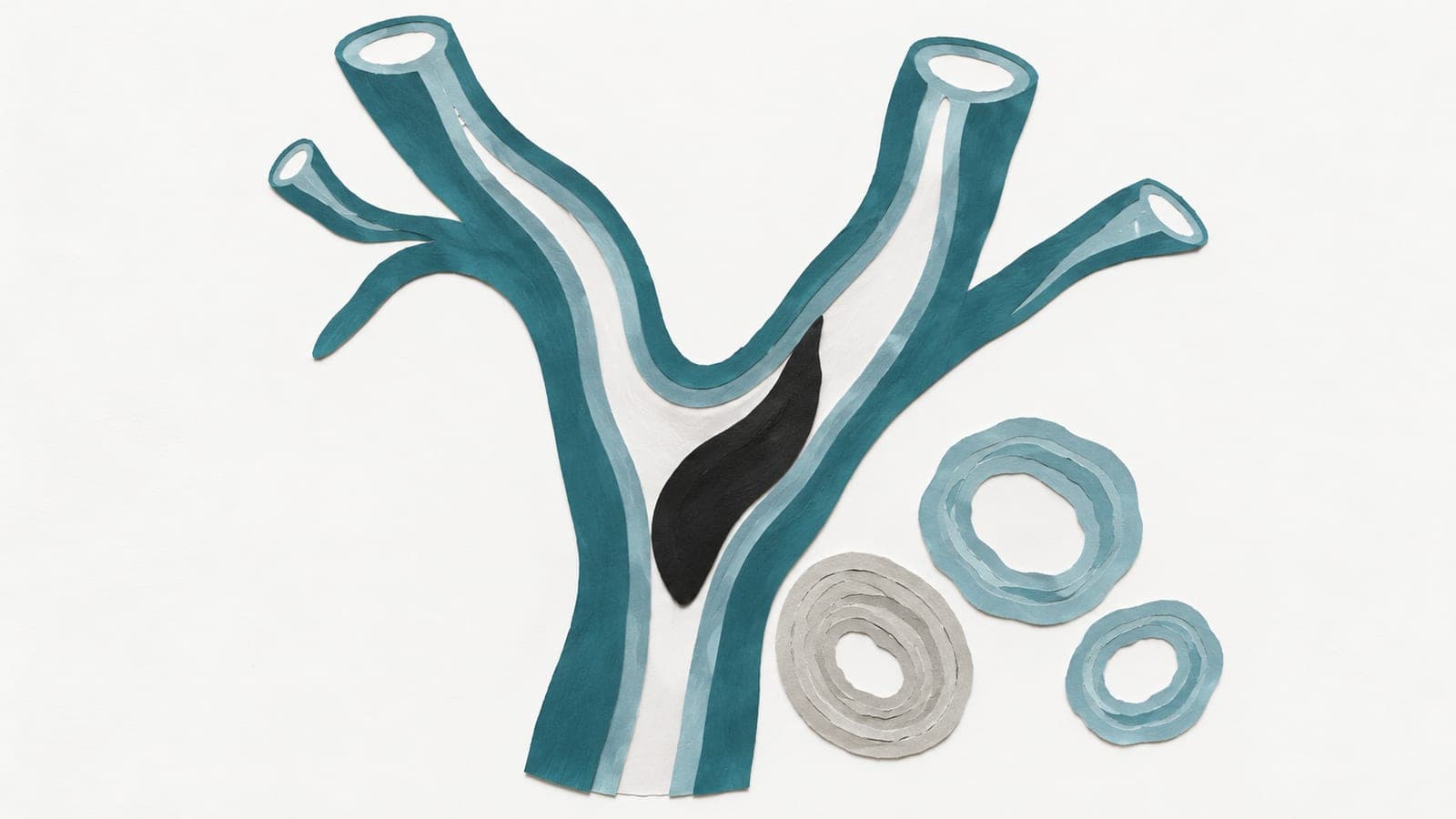
In an observational study of 21 people with high blood pressure, researchers built personalised computer models of the artery network. They used the amount of blood pumped per heartbeat, artery diameters, upper-arm blood pressure and blood flow patterns in a neck artery. They adjusted regional stiffness estimates to bring simulated pressure and flow into agreement with measured values.
The estimates closely matched a clinical measure based on how fast pulse waves travelled between the arm and ankle. In follow-up observations of 13 patients, calcium channel blockers, a type of blood pressure medicine, were associated with reductions in abnormal stiffening, while flexible vessels remained flexible.
Why it matters
Arterial stiffness predicts cardiovascular events, making its measurement relevant to cardiovascular health in aging. The framework may support individual risk assessment and treatment monitoring.
Caveats
The observational design cannot establish that calcium channel blockers caused the changes. All 21 participants had high blood pressure, and only 13 contributed follow-up observations.
The paper
Shenzhen Institutes of Advanced Technology
Journal of the Royal Society, Interface, 14 Oct 2026, Open access