Incident versus prevalent progressive supranuclear palsy: analyses of U.S. Alzheimer's Disease Research Centers data indicate clinical and neuropathological features of a relatively common and underrecognized tauopathy in the aging brain
Abstract
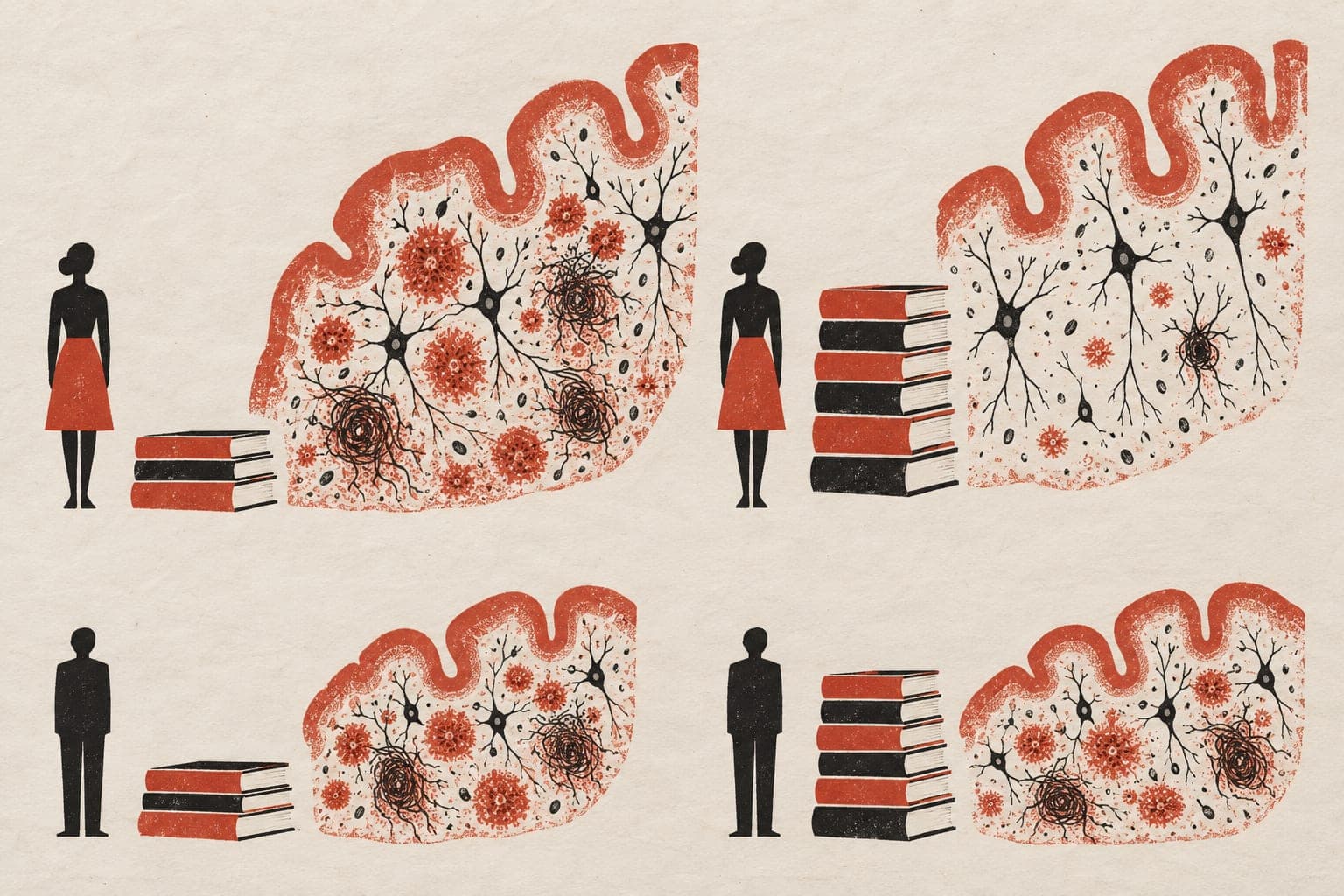
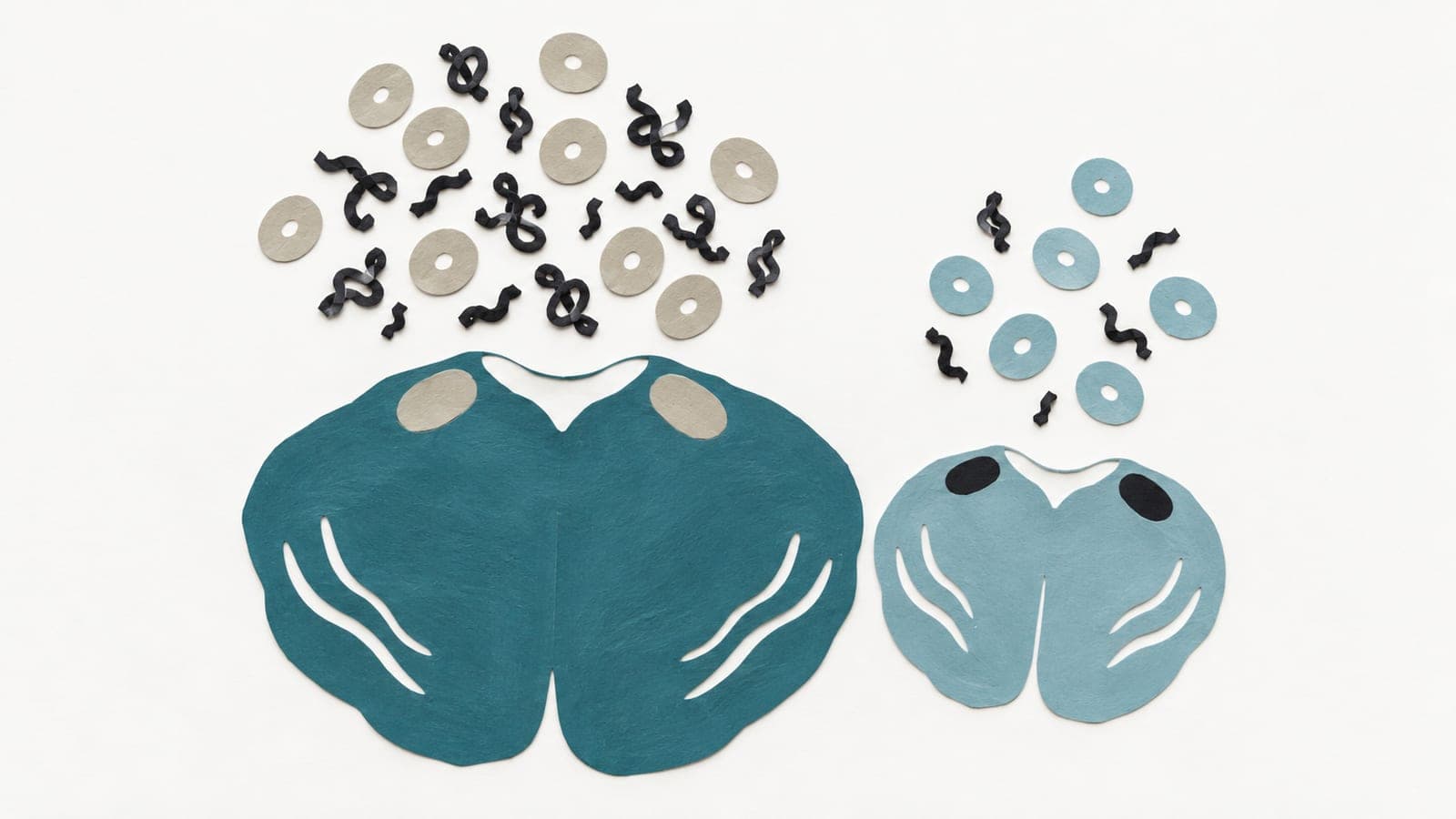
Progressive supranuclear palsy (PSP) is an adult-onset neurodegenerative disease with a heterogeneous spectrum of clinical and pathological features. The epidemiology of PSP-as defined by the gold standard of autopsy diagnosis-remains unresolved, but prevalence estimates are typically ~1:10,000. Here, we analyzed the National Alzheimer's Coordinating Center (NACC) Neuropathology Data Set, aggregated from 38 U.S. Alzheimer's Disease Research Centers (ADRCs). We compared clinical and neuropathologic features of autopsied participants, stratifying on cognitive status at recruitment into the cohort. The sample comprised 6845 individuals who were followed longitudinally for 4.0 (± 2.9 stdev) approximately yearly visits, n = 297 with eventual autopsy-verified PSP. Participants were not necessarily diagnosed or followed in movement disorder clinics. Among those with dementia or PSP at recruitment (n = 4310), 3.3% had corticobasal degeneration (CBD), 3.0% Pick's disease, and 4.5% PSP pathology. Among those recruited while cognitively normal (n = 1451), 0.7% had CBD, and 0.1% Pick's disease, while 3.2% had PSP pathology. This frequency of incident PSP pathology was higher than expected based on prior epidemiology studies. In comparing between incident (recruited normal) and prevalent (recruited with dementia or clinical PSP) cases with PSP pathology, those with incident PSP died older: 89.5 years vs 76.3 years on average. Furthermore, incident PSP pathology cases were less likely to manifest stereotypical PSP clinical features, but more likely to have parkinsonism. In a convenience sample of individuals with PSP pathology from the University of Kentucky ADRC (n = 23), digital pathology analyses using HALO software and AI-based analytic modules revealed that PSP tau pathology was more severe overall in prevalent PSP. Within the putamen, incident cases had a higher proportion of tufted astrocytes and lower proportion of NFTs. In conclusion, in this large multicenter sample, PSP pathology was more common than other FTLD-Tau subtypes, and incident PSP often differed clinically from "classic" PSP.
The paper
University of Kentucky
Acta Neuropathologica, 13 Oct 2026, Open access