Body Weight Changes and their Determinants During the COVID-19 Pandemic: A Systematic Review
Abstract
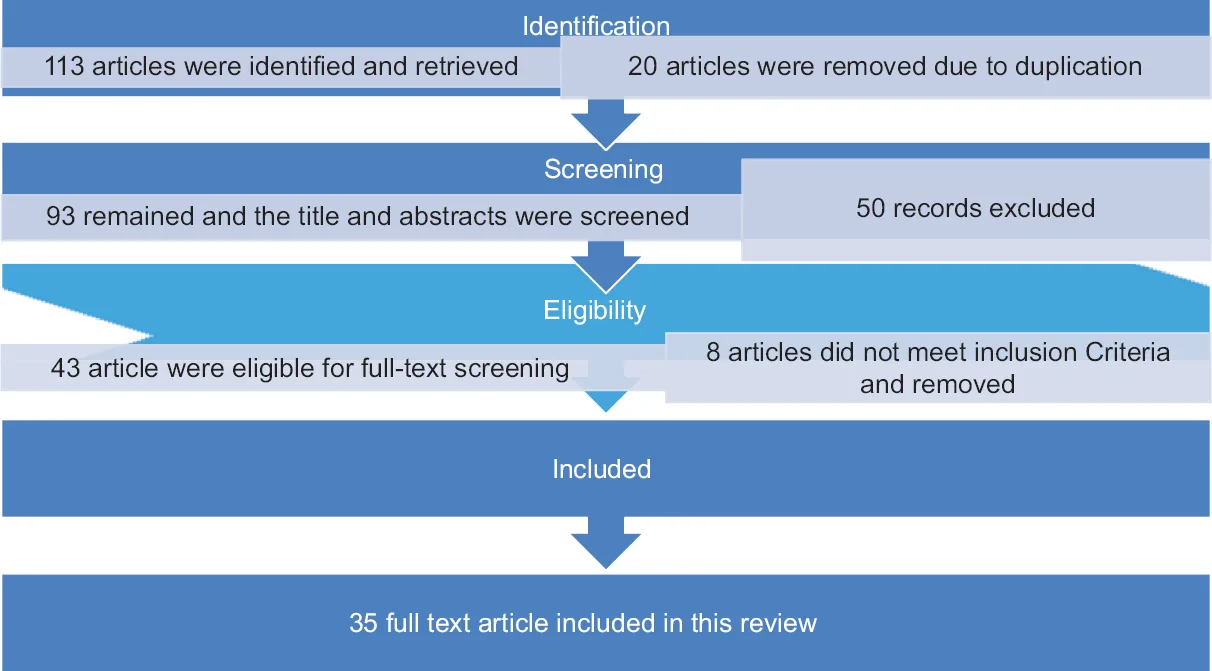
BACKGROUND: The COVID-19 pandemic has been recognized as a significant public health concern. This systematic review examines the effects of the COVID-19 pandemic on weight changes and their determinants, particularly within the contexts of physical activity and nutrition. MATERIALS AND METHODS: Literature search was conducted using the Google Scholar, MEDLINE, PSYCHINFO, and SCIENCE DIRECT databases (2020-2021). Search terms included obesity, weight changes, body mass index (BMI), diet, physical activity, weight-related behaviors, pandemic, lockdown, coronavirus, and COVID-19. The search was limited to articles published in English. RESULTS: A total of 35 studies were included in this review. The majority of the studies were cross-sectional in design and employed online, self-reported sampling methods. Weight gain was reported in most of individuals (19.5-50.0%), although some studies documented weight loss (13.8-50.7%). An increase in food consumption was observed among 39-65% of participants. A greater proportion adhered to healthy dietary patterns (6.1-41%) compared to unhealthy diets (26.7-50.0%). Conversely, a decline in physical activity levels was reported (6.5-69.0%). Sedentary behaviors increased, with screen time and sitting time rising (36.2-74.4% and 54.4-63.0%, respectively). CONCLUSION: The COVID-19 pandemic has been associated with increased weight gain, largely attributable to lifestyle changes, including dietary habits and reduced physical activity. Individual characteristics and pre-pandemic lifestyle factors appear to be predictive of weight-related outcomes during the pandemic. Healthcare professionals should consider individual differences, psychological coping mechanisms, and socioeconomic factors when designing effective weight management programs during a public health crisis.
From the paper
- Studies
A total of 35 studies were included in this review, with sample sizes ranging from 64 to 165,279.
Quoted word for word from the full text on PubMed Central.
The paper
University of Mazandaran; Mazandaran University of Medical Sciences
Iranian Journal of Nursing and Midwifery Research, 21 Sep 2026, Open access


