Alzheimer’s blood marker varied by race and ethnicity
A cross-sectional analysis of 15,612 adults aged 55–80 screened for Alzheimer’s trials found blood marker differences between racial and ethnic groups.
Multicentre
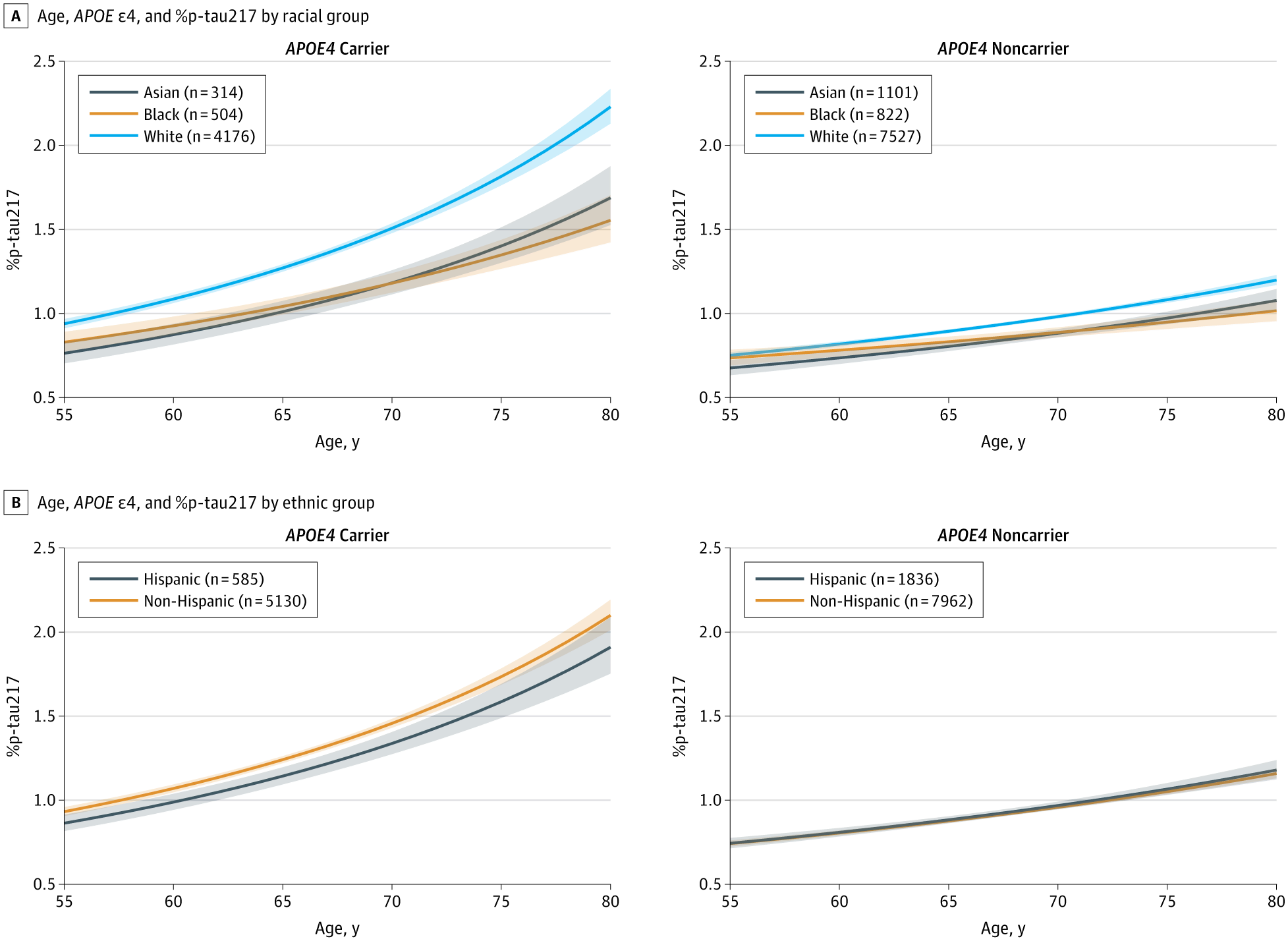
Researchers analysed screening data from 15,612 adults aged 55–80 for the AHEAD 3-45 Alzheimer’s trials in a cross-sectional study. They examined phosphorylated tau 217 percentage, a blood measure of a chemically modified form of the tau protein.
Levels were lower in Asian and Black participants than in White participants, and in Hispanic participants than in non-Hispanic participants. Links between the marker and cognitive test scores showed no pairwise differences across racial groups. Links with brain scans measuring amyloid, a protein that can form deposits, showed no significant pairwise differences across racial groups. Both sets of links differed by ethnicity.
Why it matters
Preclinical Alzheimer’s disease involves amyloid deposits without cognitive symptoms. The authors said the consistent associations across racial groups supported blood-based screening before confirmatory brain scans.
Caveats
This cross-sectional analysis identified associations, not cause and effect, among people undergoing trial screening. The ethnicity-related findings warrant further investigation.
- Preclinical Alzheimer's disease
- Amyloid PET
- Plasma phosphorylated tau 217 percentage
- Preclinical Alzheimer's Cognitive Composite 5
- Humans
The paper
Plasma Phosphorylated Tau 217 Percentage by Race and Ethnicity in Preclinical Alzheimer Disease
Keck School of Medicine of the University of Southern California; Massachusetts General Hospital
JAMA Neurology, 12 Oct 2026