Statins linked to lower death risk in nasopharyngeal cancer survivors
Among five-year survivors of cancer behind the nose, 10-year survival was 89.1% in statin users versus 71.8% in non-users.
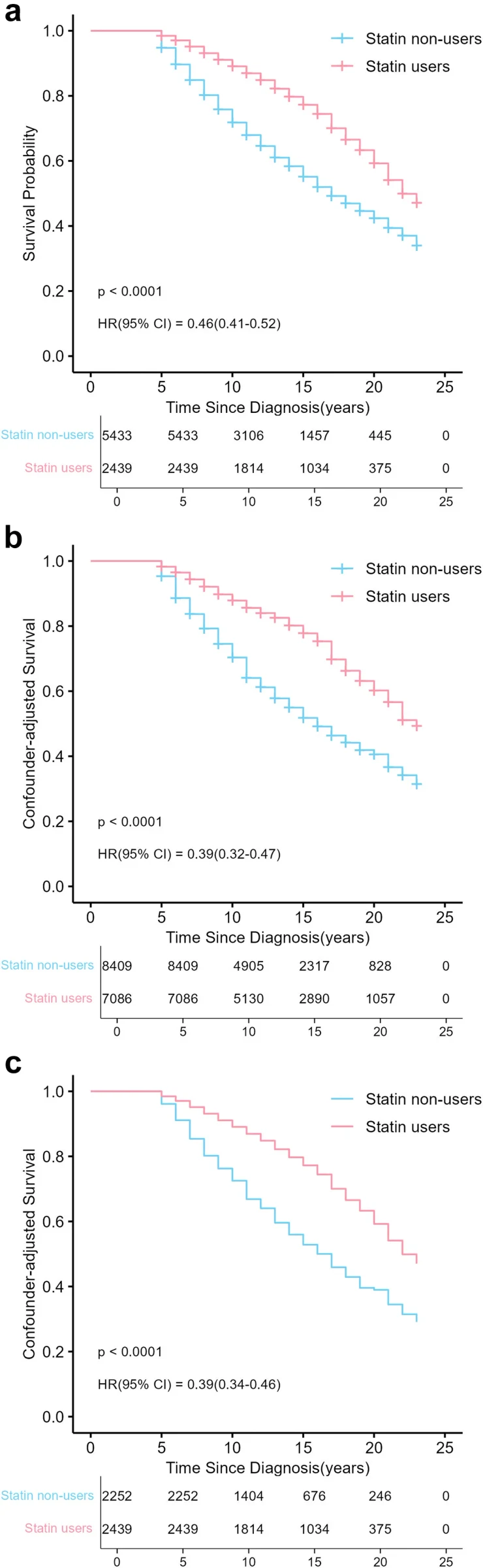
An observational study used past registry records for 7,872 people in Hong Kong who had survived five years after diagnosis with nasopharyngeal cancer, a cancer behind the nose. Their cancer had not spread to distant parts of the body at diagnosis. Diagnoses dated from 1997 to 2015. Researchers compared 2,439 users of statins, cholesterol-lowering medicines, with 5,433 non-users. They used statistical weighting to balance factors that could affect survival.
Statin use remained linked to lower mortality after researchers accounted for the time patients had to survive before becoming statin users. Statin use was also associated with lower risks of death from other cancers, heart and blood vessel disease, and lung disease. Use lasting more than six years was associated with lower mortality.
Why it matters
Heart and blood vessel disease connects long-term cancer survivorship with an important concern in aging. The authors called for prospective research to investigate statin use and mortality.
Caveats
This observational study could not establish that statins caused the lower death risk; adjustment may not remove all differences between users and non-users. It included only people who had already survived five years after diagnosis.
The paper
University of Hong Kong
The Lancet Regional Health Western Pacific, 30 Sep 2026