Casticin From Sanse Powder- In Vitro Release Medium Inhibits FAK/PI3K/AKT Phosphorylation Reducing Synovial Senescence and Alleviates Inflammation in Knee Osteoarthritis
Abstract
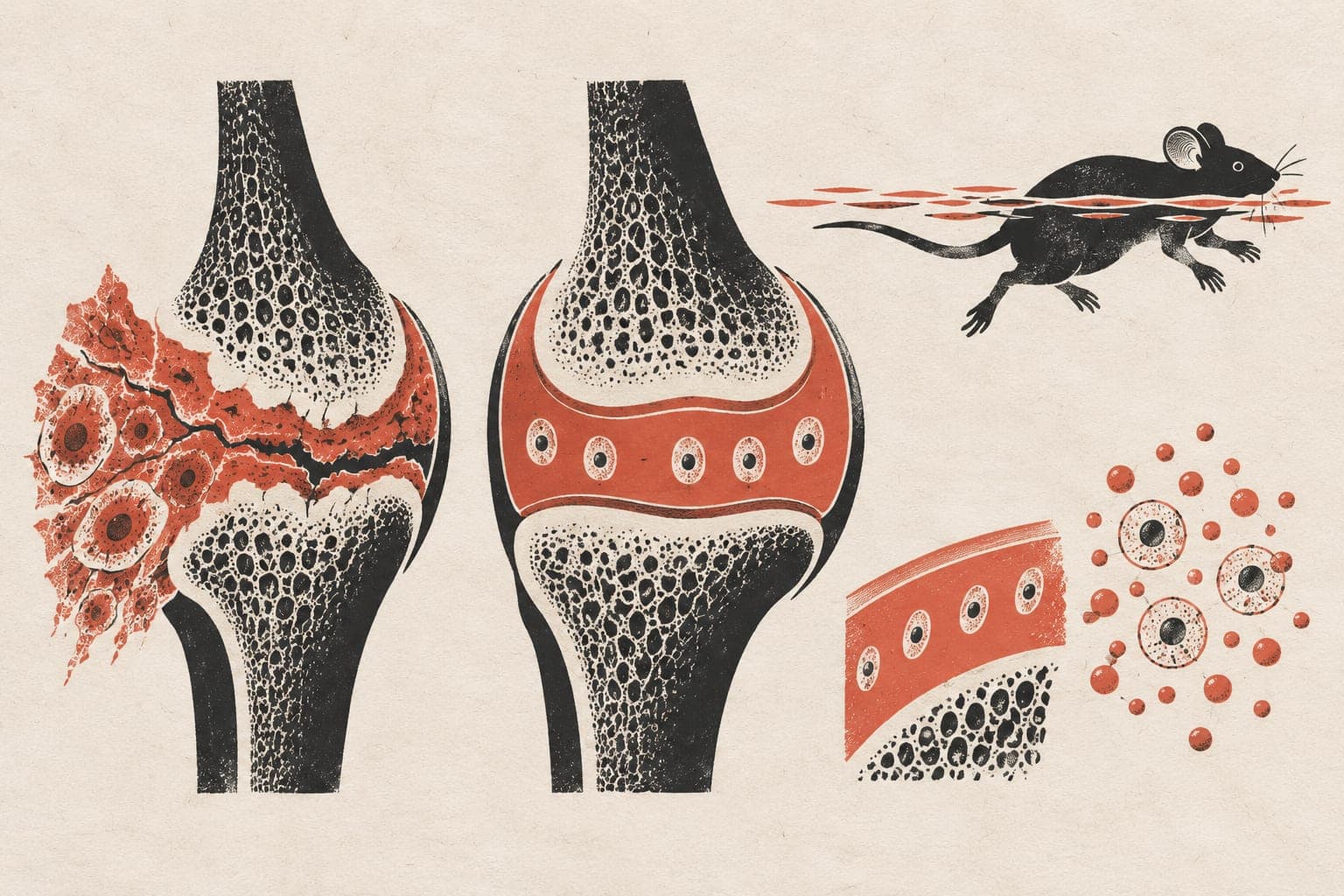
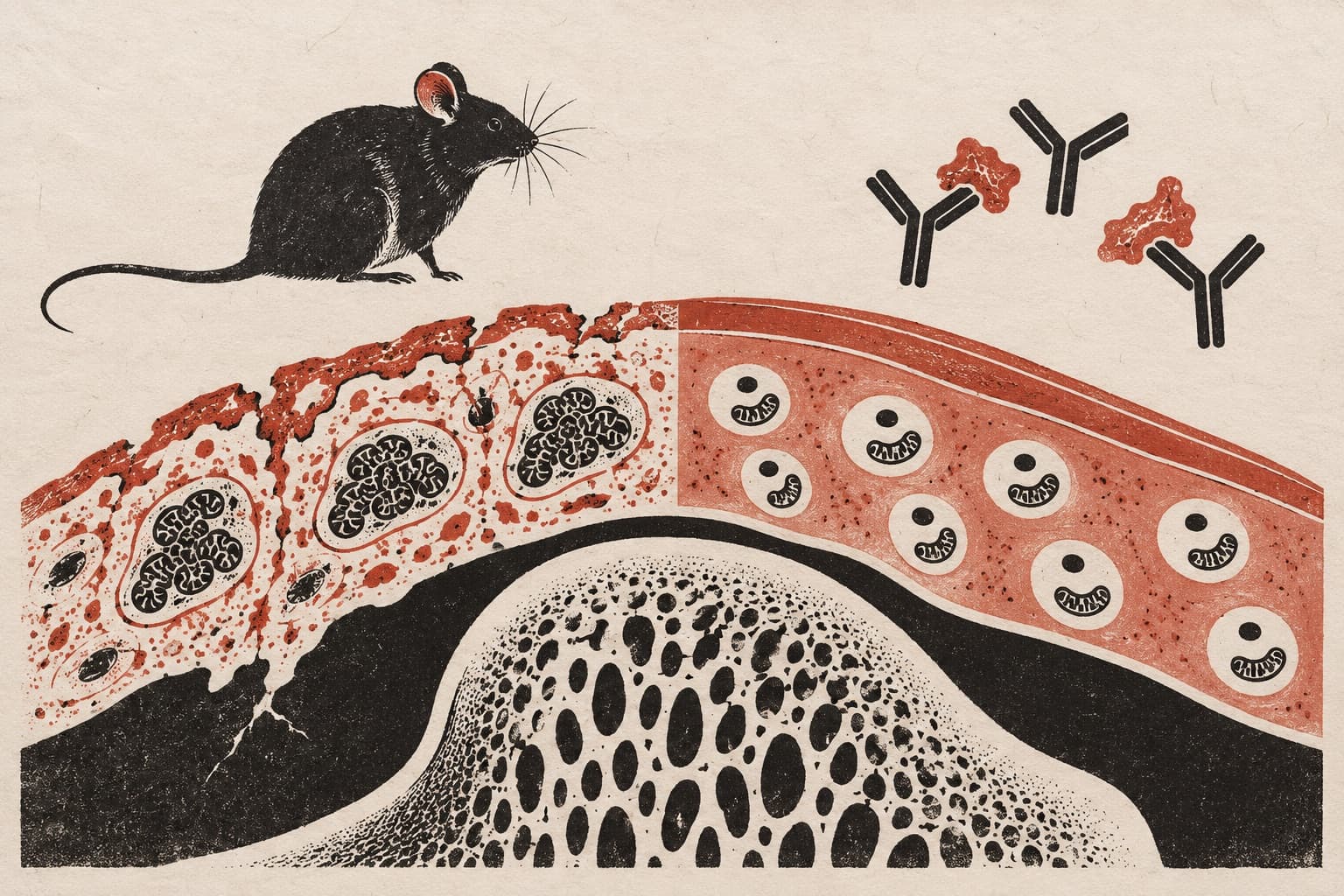
Sanse Powder (SSP) has been shown to be effective in the clinical treatment of knee osteoarthritis (KOA), although its active components and underlying mechanisms remain unclear. In this study, we collected the in vitro release medium of SSP (SSP-IVRM) using an in vitro release test and evaluated its pharmacological effects in a KOA rat model. Ultra-high-performance liquid chromatography-tandem mass spectrometry (UHPLC-MS/MS) was used to identify active constituents in SSP-IVRM, while network pharmacology and molecular docking were applied to screen key compounds and molecular targets. In vivo and in vitro experiments using histological staining and molecular biology techniques were performed to investigate the effects of casticin (CAS), a major component of SSP-IVRM, on KOA-related synovitis. UHPLC-MS/MS identified CAS, monocerin, and chlorogenic acid as major components. Network pharmacology and molecular docking associated these compounds with PI3K signalling and cellular senescence. CAS significantly improved synovial pathology, reduced pro-inflammatory cytokines and chemokines, modulated fibrosis- and senescence-related genes and proteins, and decreased synovial fibroblast senescence. Transcriptomic analysis further implicated cell adhesion and the PI3K-AKT pathway. Additional experiments demonstrated that CAS alleviates KOA-related inflammation and cellular senescence by inhibiting FAK/PI3K/AKT phosphorylation. These findings indicate that CAS in SSP-IVRM reduces synovial fibroblast senescence and inflammation through inhibition of the FAK/PI3K/AKT signalling pathway, thereby exerting therapeutic effects against KOA.
The paper
The Affiliated Hospital of Nanjing University of Chinese Medicine
Journal of Cellular and Molecular Medicine, 1 Oct 2026