M2 Macrophage-Derived Small Extracellular Vesicle miR-106a-Loaded QCG Hydrogel Targets the RNF128-LXR Pathway to Reprogram Chondrocyte Cholesterol Metabolism for Osteoarthritis Therapy
Abstract
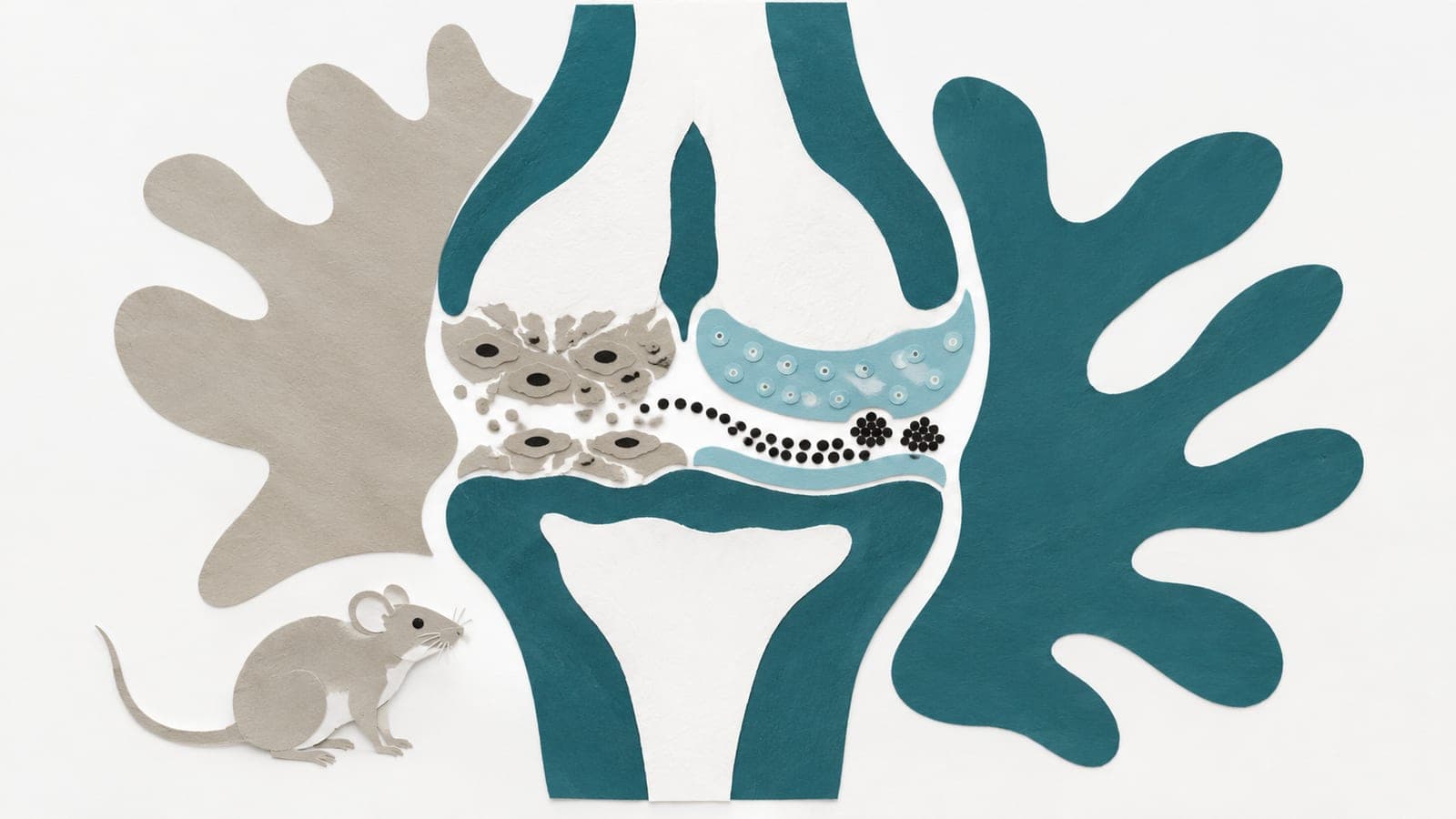
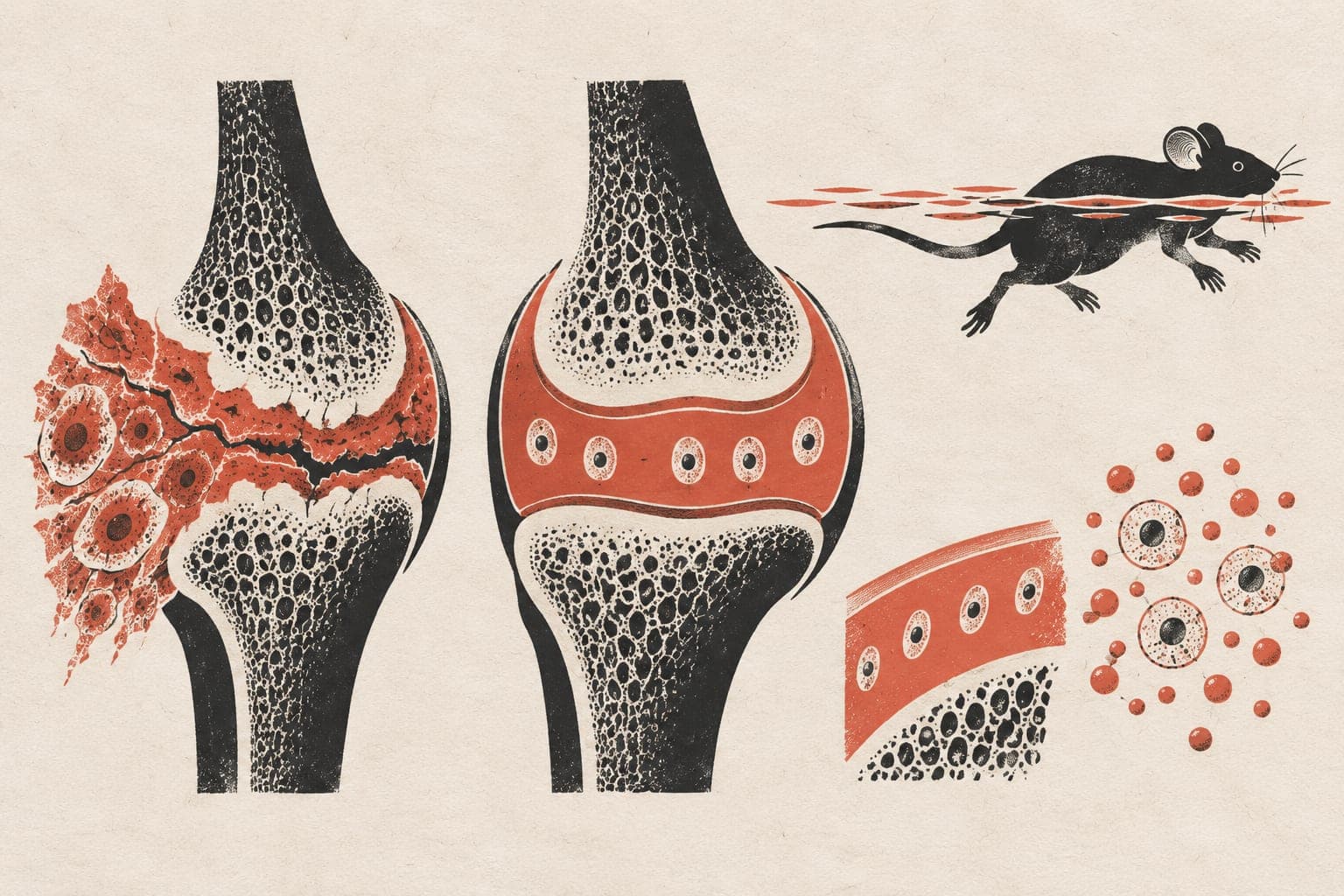
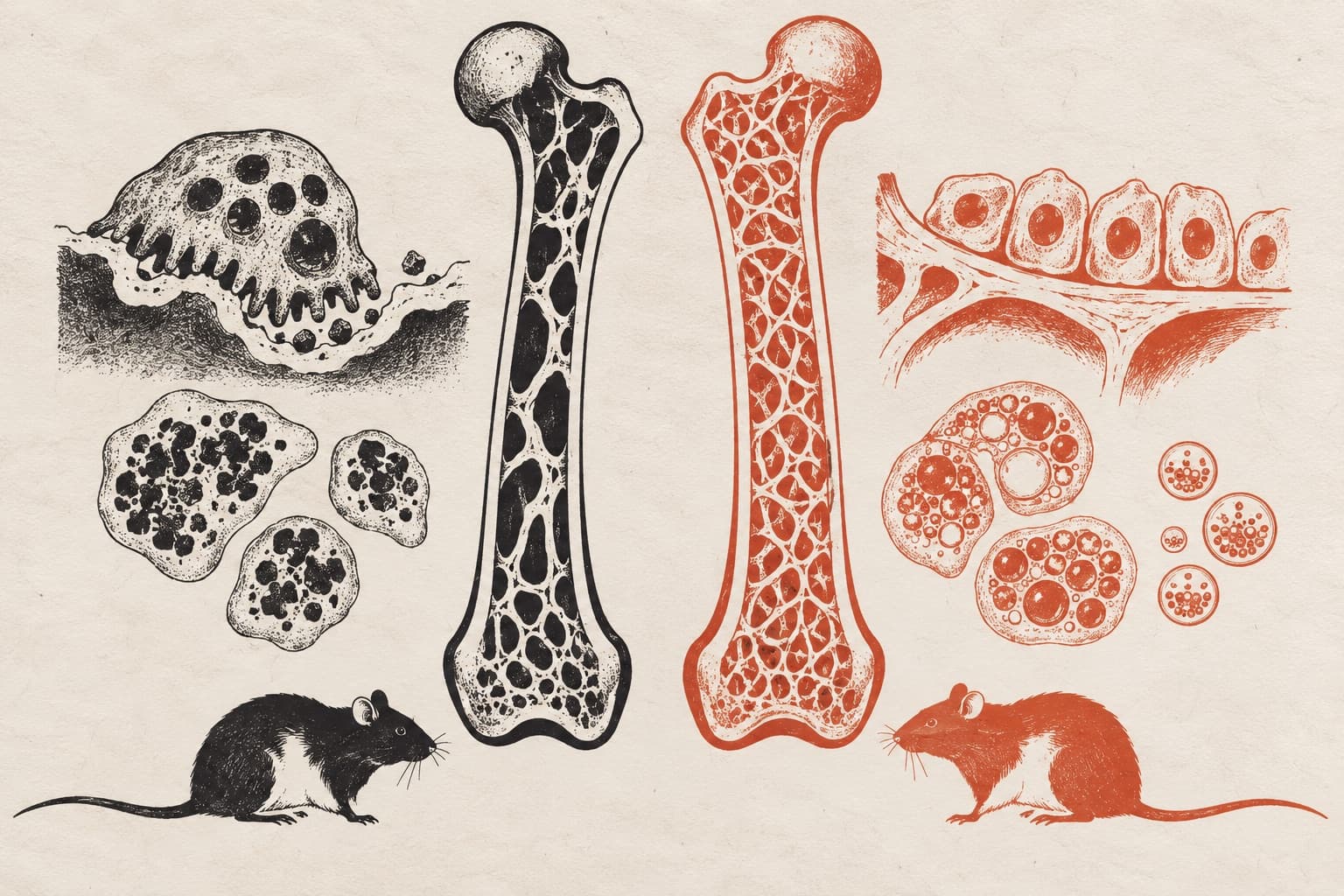
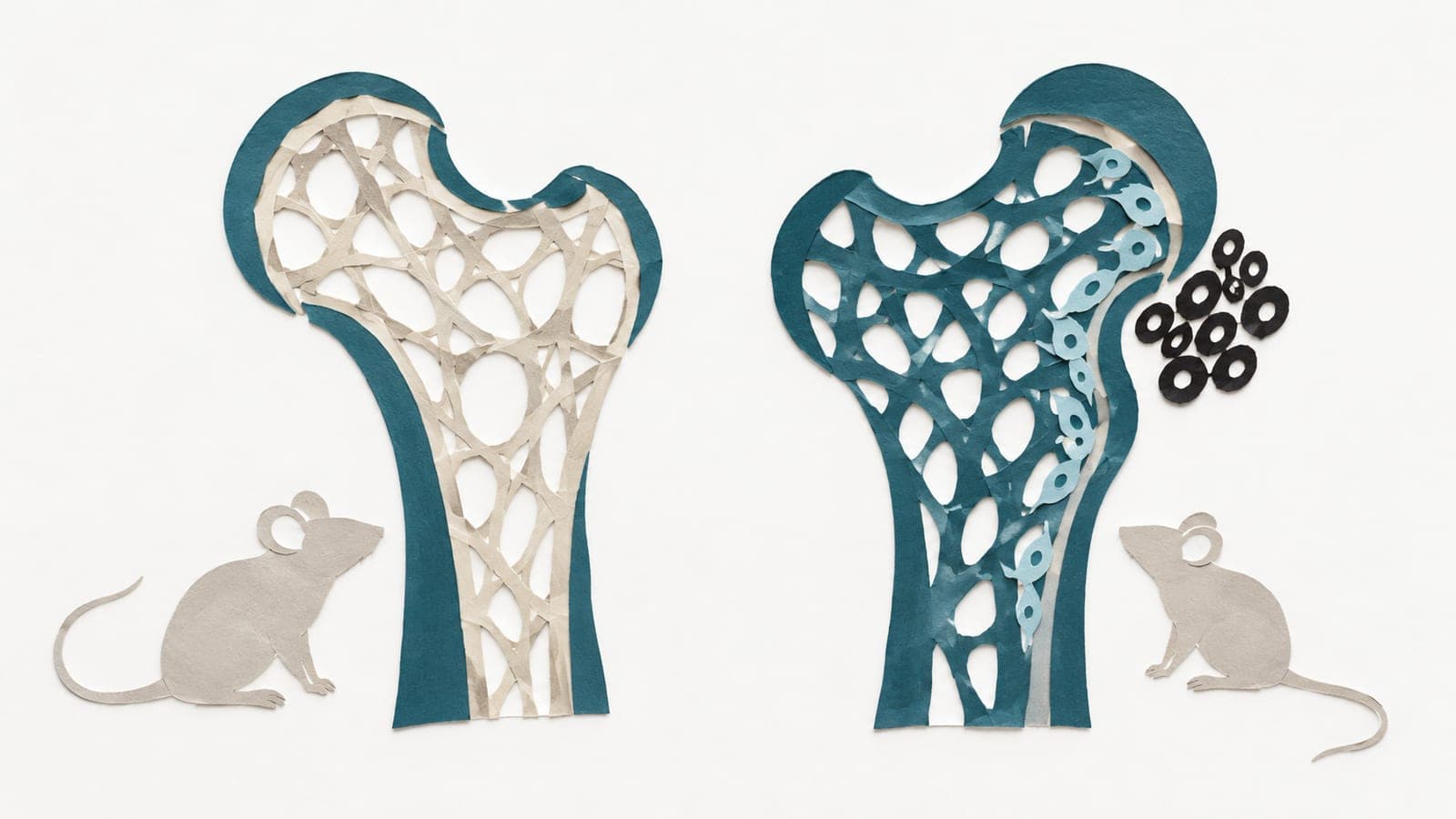
This study addresses osteoarthritis (OA), in which dysregulated chondrocyte cholesterol homeostasis and cellular senescence contribute to cartilage degeneration, by developing an inflammation-responsive injectable QCG hydrogel for local delivery of miR-106a-enriched M2 macrophage-derived small extracellular vesicles (sEVs). The QCG hydrogel was constructed from quaternized chitosan (QCS) and 4-carboxyphenylboronic acid-gelatin (CPBA-gelatin) and loaded with miR-106a-enriched M2-sEVs (QCG@sEV-miR-106a). M2-sEVs were isolated by differential ultracentrifugation and characterized by transmission electron microscopy, nanoparticle tracking analysis, and vesicle-associated protein markers. High-throughput miRNA profiling and chondrocyte RNA sequencing identified miR-106a as a candidate regulatory molecule, and RNF128 was confirmed as a direct target by dual-luciferase reporter assay. Functional experiments showed that miR-106a suppresses RNF128, thereby promoting chondrocyte proliferation and extracellular matrix synthesis while attenuating senescence. Exploratory proteomic screening suggested RNF128-associated changes in cholesterol- and lysosome-related processes, whereas independent molecular and functional assays demonstrated that RNF128 promotes LXRα ubiquitination and proteasome-dependent degradation, suppresses LXR signaling, and disrupts cholesterol homeostasis. In a destabilization of the medial meniscus (DMM)-induced OA rat model, QCG@sEV-miR-106a showed ROS-responsive release, prolonged intra-articular retention for up to 22 days, reduced cartilage degeneration and matrix loss, improved pain-related behaviors, and favorable short-term biocompatibility. Together, these findings support a local biomaterial delivery strategy in which miR-106a-mediated RNF128 inhibition preserves LXR signaling and cholesterol homeostasis to attenuate OA-associated chondrocyte senescence.
The paper
China Medical University
Journal of Extracellular Vesicles, 1 Oct 2026