Sleep apnoea with impaired lung function linked to heart risk
Over a median 11.45 years, major heart and brain blood-vessel events affected 49.40% with both conditions, versus 17.00% without sleep apnoea and with normal lung function.
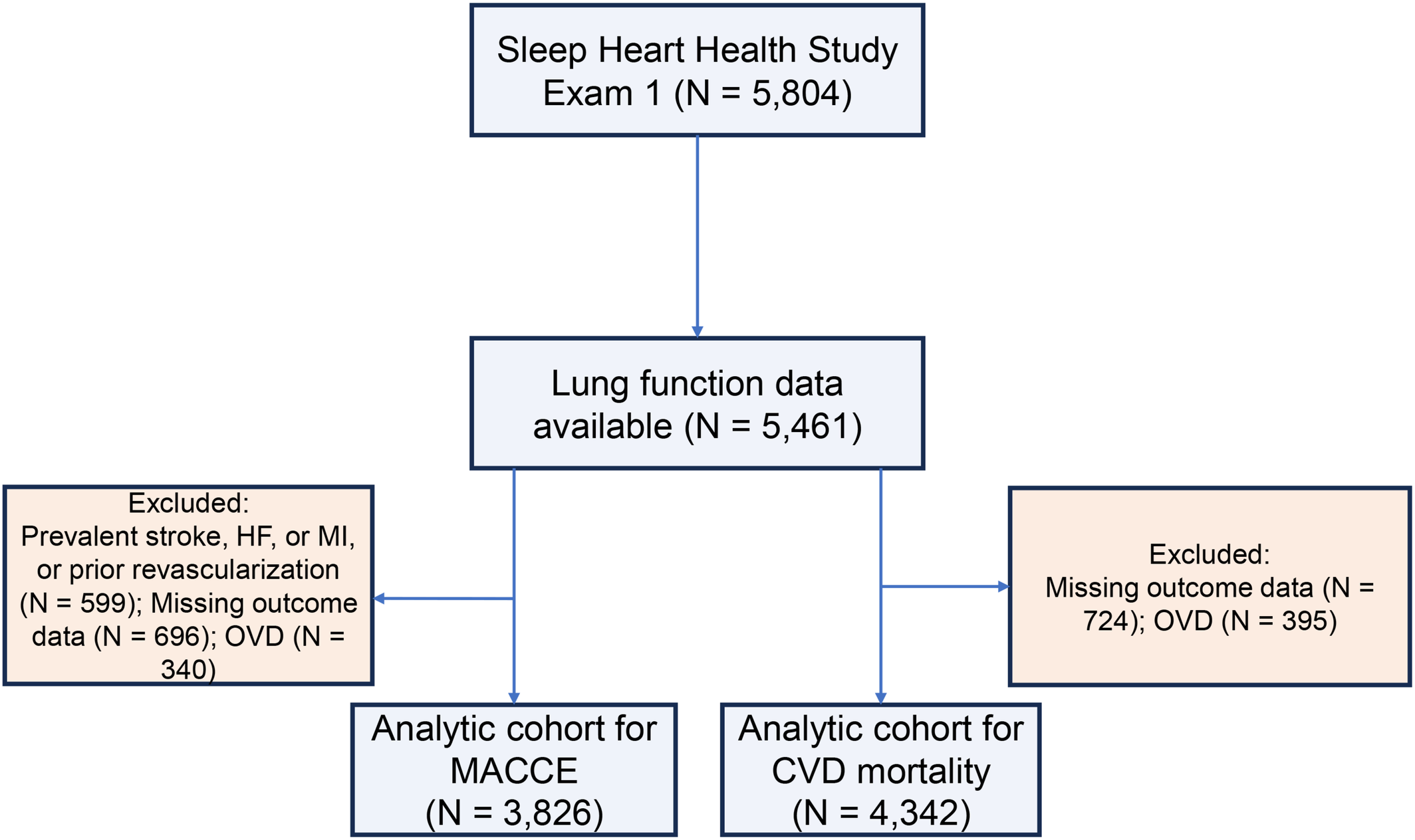
11.45 years
In people from the Sleep Heart Health Study, an observational cohort analysis examined obstructive sleep apnoea and a pattern of impaired lung function on breathing tests. Obstructive sleep apnoea involves repeated airway blockages during sleep. Researchers divided participants into four groups according to whether they had either condition, both or neither.
Across the cohort, having both conditions remained associated with major heart and brain blood-vessel events after adjustment for other measured factors. The combination was also linked to death from cardiovascular disease. An analysis by sex found the association only in women; the event rates reported above were for the groups overall.
Why it matters
Cardiovascular disease is an important concern in aging. The study bears on whether sleep and lung function should be considered together when assessing cardiovascular risk.
Caveats
This observational analysis cannot show that sleep apnoea and impaired lung function caused cardiovascular events.
- Cardiovascular disease
- Obstructive sleep apnea
- Preserved ratio impaired spirometry
- Major adverse cardiovascular and cerebrovascular events
- Humans
The paper
Department of Cardiovascular Diseases Mayo Clinic Rochester MN USA
Journal of the American Heart Association, 10 Oct 2026