Insomnia with sleep apnea linked to higher cardiovascular risk
Participants with both conditions had a hazard ratio—a comparison of event rates over time—of 1.78 for cardiovascular events versus those with neither.
7.92 years
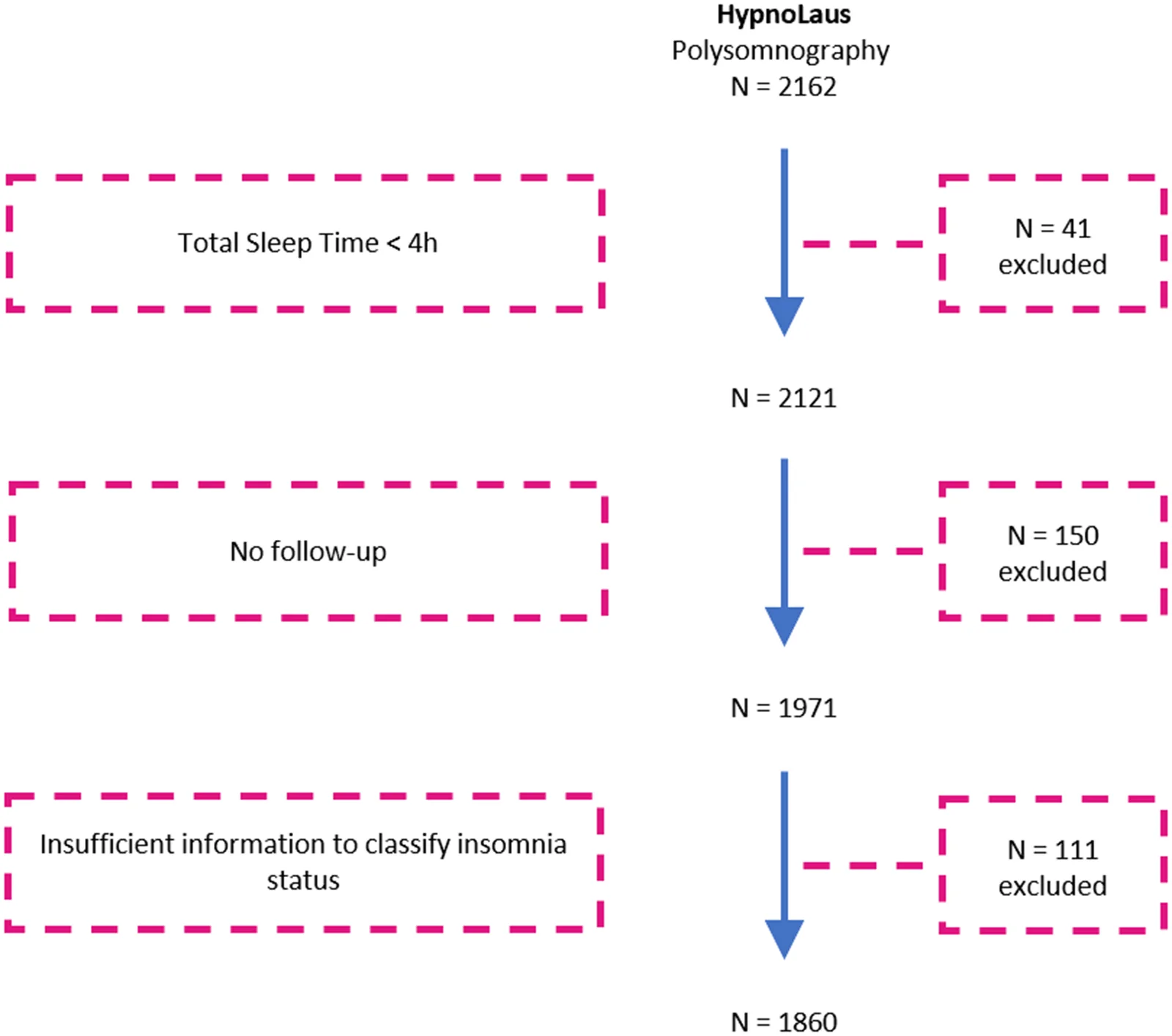
Researchers followed 1860 participants from the CoLaus|PsyCoLaus study in a prospective observational study, with a median follow-up of 7.92 years. All underwent overnight sleep testing and completed a sleep-quality questionnaire. Obstructive sleep apnea involves repeated narrowing or closure of the airway during sleep. Insomnia symptoms meant difficulty falling or staying asleep at least three times a week over the past month.
Participants with both conditions had a higher risk of cardiovascular events than those with neither after adjustment for demographic, behavioural and clinical factors. An expert committee assessed these events, which included coronary heart disease, heart attack, stroke and cardiovascular death. Neither condition alone had a statistically clear association with events. The findings were consistent among participants without previous cardiovascular events and under alternative definitions of the combined conditions.
Why it matters
For cardiovascular prevention as people age, the study raises the question of whether insomnia and sleep apnea should be assessed together rather than separately.
Caveats
This observational study cannot show that the combined sleep conditions caused cardiovascular events or that treating them would reduce risk. Insomnia was defined by reported symptoms over the previous month.
The paper
Lausanne University Hospital and University of Lausanne
EClinicalMedicine, 28 Sep 2026