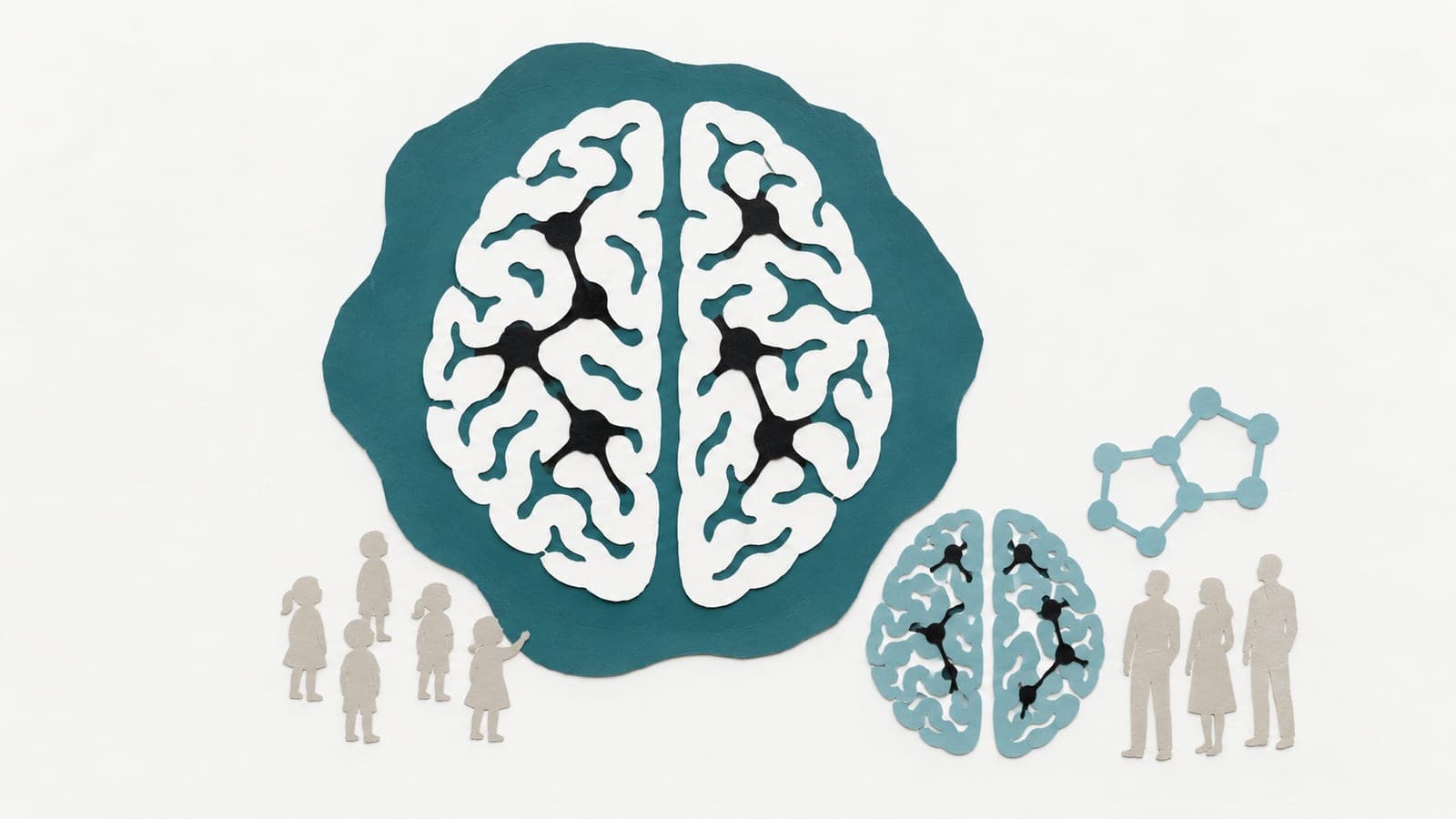
Developmental shift from hormonal to neural correlates of psychobehavioral problems among early adolescent boys
Abstract
Adolescence begins with puberty and involves dynamic hormonal, neural, and social changes. The early-pubertal testosterone surge, particularly in boys, may shape the amygdala, which regulates emotion and behavior. However, it remains unclear how testosterone- and amygdala-related correlates of psychobehavioral problems differ across early adolescence. Using data from the Tokyo Teen Cohort and its neuroscience extension, we examined associations among salivary testosterone, amygdala volumes, and parent-rated Child Behavior Checklist (CBCL) scores at approximately ages 10-11 and 12-13. Participants were 106 boys in wave 1 and 98 boys in wave 2, with 69 contributing complete biological measures at both waves. Wave-specific Poisson models of CBCL internalizing and externalizing scores were adjusted for age, Tanner stage, and intracranial volume. In wave 1, higher testosterone was associated with lower internalizing and externalizing scores (exp(β)= 0.64 and 0.66, both adjusted P < 0.001). In wave 2, testosterone was not significantly related to CBCL scores, whereas smaller right amygdala volume was associated with higher internalizing problems (exp(β)= 0.71, adjusted P < 0.001). Exploratory analyses suggested that testosterone moderated the wave-2 right amygdala-internalizing association, and that smaller right amygdala volume and lower testosterone at wave 1 were both prospectively associated with higher wave-2 internalizing problems (n = 104), associations that persisted after adjustment for wave-1 Internalizing score. These findings suggest age-dependent differences in endocrine and neural correlates of psychobehavioral problems and highlight the importance of developmental timing and hormone-brain interplay.
The paper
The University of Tokyo
Psychoneuroendocrinology, 5 Oct 2026