Dexamethasone suppresses the sox3 gene during tail regeneration in the electric black ghost knifefish, Apteronotus albifrons (Linnaeus 1766)
Abstract
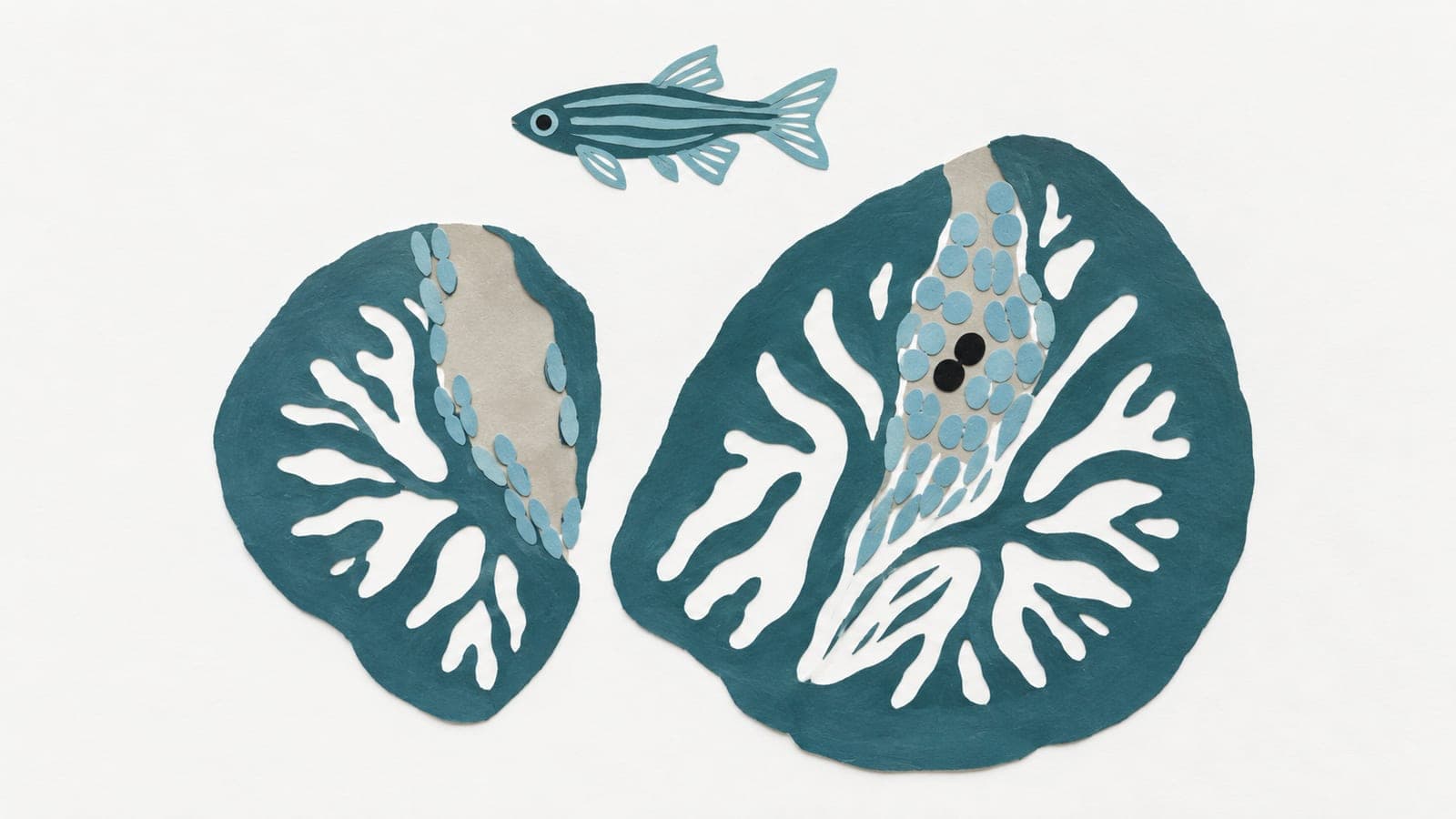
This study investigated the effects of different doses of dexamethasone on the regeneration of muscle fibers, electric organ cells, and electroreceptors in the amputated tails of the black ghost knifefish, Apteronotus albifrons (Linnaeus 1766). The relative gene expression of sox3 was analyzed to assess neural regeneration. Four groups of fish were exposed to dexamethasone concentrations of 0 (control), 1, 2, and 3 mg/L, with water replaced every 48 h to maintain drug stability. The results revealed that dexamethasone significantly downregulated sox3 expression. A significant decrease (p < 0.05) in relative expression levels was observed at the 1, 2, and 3 mg/L doses (0.134 ± 0.022, 0.061 ± 0.034, and 0.003 ± 0.002, respectively) compared to the control group (0.920 ± 0.252). These findings were supported by histological sections, which showed a reduced regeneration rate and lower growth percentages of neural and muscle tissues. Specifically, the neural tissue regeneration percentages were 28.40%, 14.80%, and 10.10% for the 1, 2, and 3 mg/L treatments, respectively. Transmission electron microscopy (TEM) revealed clear changes in the cellular organelles of the treated fish. These included a decrease in plasma membrane thickness, increased numbers of nuclei and mitochondria, enlarged vacuoles, and cell nucleus divisions. The treated fish also exhibited an increased count and clumping of red blood cells, which lost their normal discoid morphology and sometimes lacked nuclei. In conclusion, dexamethasone impairs the tissue regeneration process by inhibiting the growth of the electric organ, neurons, and intracellular organelles.
The paper
Histochemistry and Cell Biology, 9 Oct 2026