Free nicotine samples did not improve quitting in dental patients
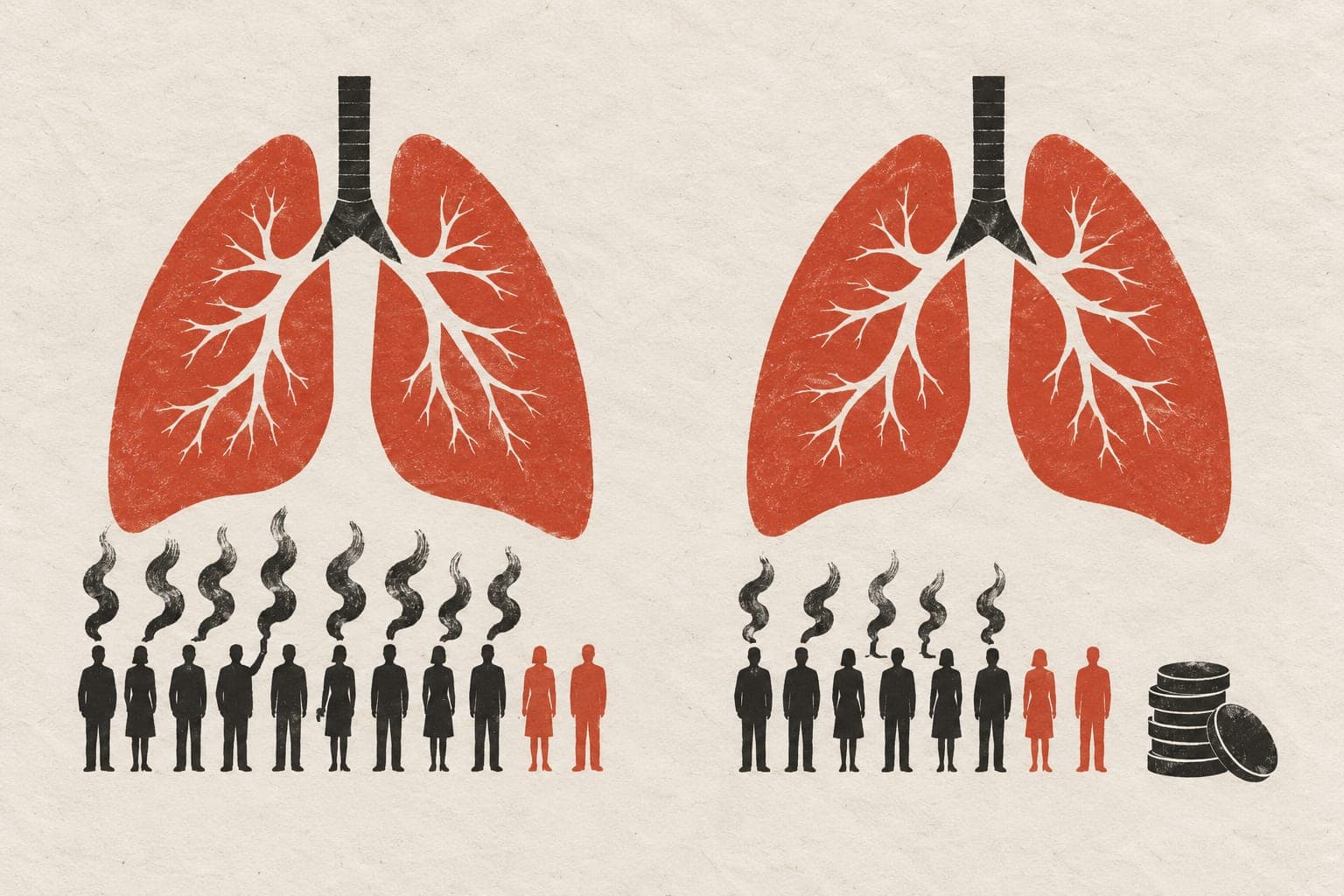
At six months, breath-confirmed abstinence over the preceding week was 8.4% with nicotine samples and 8.0% with an electric toothbrush.

6 months
In a cluster-randomised trial, 1,196 adult dental patients who smoked cigarettes daily received either nicotine replacement samples or an electric toothbrush. Participants were 59% female and 71% White. Researchers randomly assigned 59 US dental practices to the two groups.
All participants received advice to quit and referrals to state tobacco quitlines. The samples comprised a two-week supply of 14 mg nicotine patches and 4 mg nicotine lozenges. At six months, samples did not improve abstinence from combustible tobacco over the preceding seven days, checked by measuring carbon monoxide in exhaled breath. Across follow-up assessments, nicotine replacement use was 50% with samples versus 13% with toothbrushes. Quit attempts were 58% versus 49%. The researchers suggested samples may provide a starting point towards quitting.
Why it matters
Smoking harms oral health, an important part of maintaining health as people age. The trial addressed whether dental visits offer an opportunity to support smoking cessation.
Caveats
The six-month outcome measured seven days of abstinence, not continuous abstinence, and practices offering samples recruited fewer participants. The findings concern adult daily smokers attending dental practices; the abstract did not report adverse events.