AI detects cognitive concerns in older adults with normal tests
In an observational study, 13.8% of older adults with normal cognitive test scores had memory or thinking concerns documented in their health records.
JMIR Aging
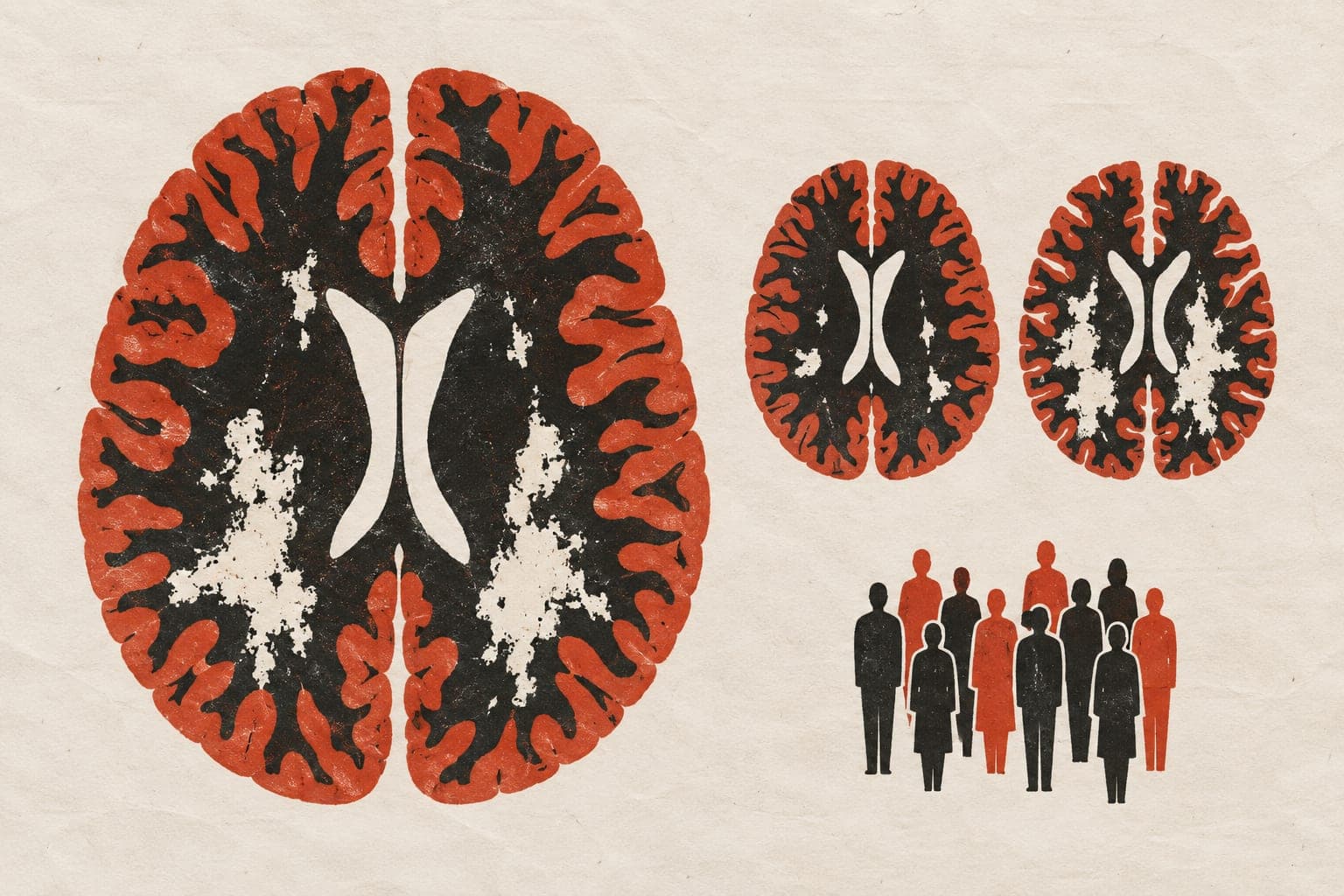
In an observational cohort study, researchers analysed electronic health records from 15,750 adults aged 65 years or older who had normal cognitive test scores. The team used a two-stage artificial intelligence model to scan unstructured notes from the previous 12 months for subjective cognitive decline, which refers to reported memory or thinking problems despite normal test results. The tool identified documented cognitive concerns in 13.8% of these patients, captured across 1.2% of notes. Documented concerns were more likely in older individuals, people with commercial insurance, and patients with conditions including Parkinson disease, stroke, and depression. However, recorded concerns were less frequent among patients with obesity, hyperlipidaemia (high blood fats), or those living in more deprived neighbourhoods.
Why it matters
Subjective cognitive decline involves reported changes in memory or thinking in older age that standard testing does not capture. Using language models to identify these documented concerns in routine health records may help researchers track how cognitive complaints relate to age-associated conditions and monitor who receives care.
Caveats
The study relied on retrospective observational records from one health system, meaning concerns were captured only if they were documented in unstructured notes. Lower rates of documentation in more deprived neighbourhoods also suggest that clinical notes selectively capture concerns, which may reflect disparities in care rather than true differences in symptoms.
The paper
Department of Medicine · Harvard Medical School
JMIR Aging · 7 Oct 2026