Disease patterns linked to kidney decline in older patients
In geriatric wards, a heart, lung and kidney disease pattern was associated with 2.24 times the odds of decline versus two other disease patterns.
Internal and Emergency Medicine
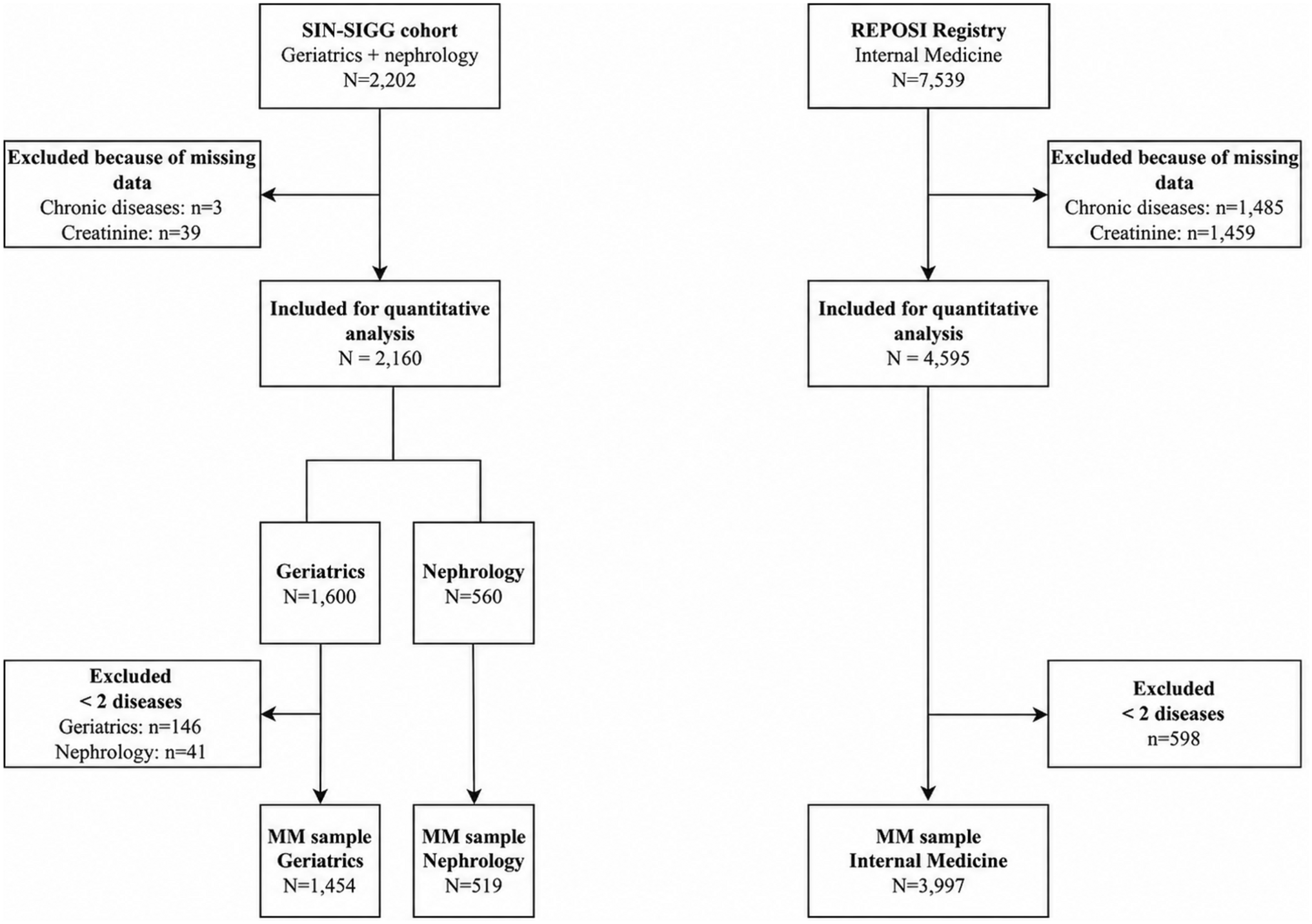
An observational cohort study analysed 6,755 patients aged 65 or older admitted to acute-care hospitals in Italy. Their average age was 80.6 years. Patients came from geriatric, internal medicine and kidney wards. Researchers grouped them by combinations of chronic conditions and also counted their conditions. They estimated kidney filtering function at admission and discharge, including whether it fell by at least 20%.
Disease patterns were more consistently associated with worsening kidney function than disease counts. The pattern combining heart, lung and kidney conditions was linked to higher odds of decline than two other patterns in all three settings. The analyses accounted for age, sex, kidney function at admission, acute diagnoses and the number of medicines.
Why it matters
For older people with several chronic conditions, the findings suggest a way to target kidney-protective care during hospital stays.
Caveats
This observational study could not show that disease patterns caused kidney decline or that targeted care would prevent it. It assessed estimated kidney function during hospital stays, not longer-term outcomes.
The paper
Show 10 more authors
Pier Mannuccio Mannucci, Alessandro Nobili, Mauro Tettamanti, Sara Ratti, Filippo Aucella, Francesco Aucella, Maria Nardella, Mara Volpentesta, Andrea Corsonello, Raffaele Antonelli Incalzi,Università Campus Bio-Medico di Roma
Internal and Emergency Medicine · 7 Oct 2026