Web-first surveys were more accurate in a midlife cohort
A randomised survey experiment compared web-first and in-person methods as the Add Health cohort entered midlife, finding differences in some sensitive health and behaviour questions.
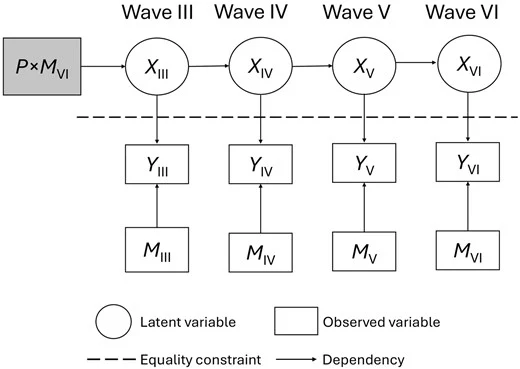
Participants in the National Longitudinal Study of Adolescent to Adult Health were entering midlife when researchers ran a randomised survey experiment. They randomly divided eligible participants between a web-first approach combining survey methods and an in-person approach matching earlier surveys. They also used a statistical model across several survey rounds to separate measurement errors from differences in who responded.
The web-first mixed-method design had greater measurement accuracy than the traditional in-person design. However, some questions showed differences between methods, particularly sensitive health outcomes and behaviours carrying social stigma. Measurement error and differences in who responded contributed in distinct combinations. The authors recommended checking which questions were sensitive to survey methods and adjusting analyses so that survey redesign did not mimic or hide actual aging trends.
Why it matters
Long-running surveys help researchers follow health as people age. This work addresses how to keep changes in survey design from being mistaken for aging trends.
Caveats
The separation of measurement error from differences in who responded was model-based. The abstract did not give the sample size or the size of the accuracy advantage.
From the paper
- Limitation
The Add Health cohort is in early midlife (average age 44) with higher digital literacy than older cohorts; mode effects may differ for populations with lower technological proficiency.
Quoted word for word from the full text on PubMed Central.
The paper
Mode effects for Add Health in transition from in-person to mixed mode
RTI International; University of North Carolina at Chapel Hill
The Journals of Gerontology, Series B, 1 Oct 2026, Open access, accepted manuscript