Cognitive aging patterns look mostly similar in autistic adults
In a cross-sectional comparison of 56 autistic and 106 non-autistic adults, poorer word recall was linked to older age only in non-autistic participants.
Our read
Populations- Studied:
- Cross-sectional study of autistic and non-autistic adults, against non-autistic adults
- What changed:
- Age-related patterns in thinking skills were similar in autistic and non-autistic adults across most domains, except episodic memory
- The catch:
- Generational differences in diagnosis and access to services can mimic age-related cognitive changes
- In the record:
- The 21st paper on autism with results in people; 51 on record in all.
- Why it’s aging research:
- It measures an outcome that worsens with age.
Editor of record: Boris Djordjevic · AgingResearch.News
Fifty-six autistic adults aged 21–64 (40 male, 16 female) and 106 non-autistic adults aged 19–69 (58 male, 48 female) completed thinking and memory tasks and a questionnaire in a cross-sectional observational study. Autistic participants scored lower on processing speed, word recall and the ability to switch between tasks, and reported more difficulties managing thoughts and behavior.
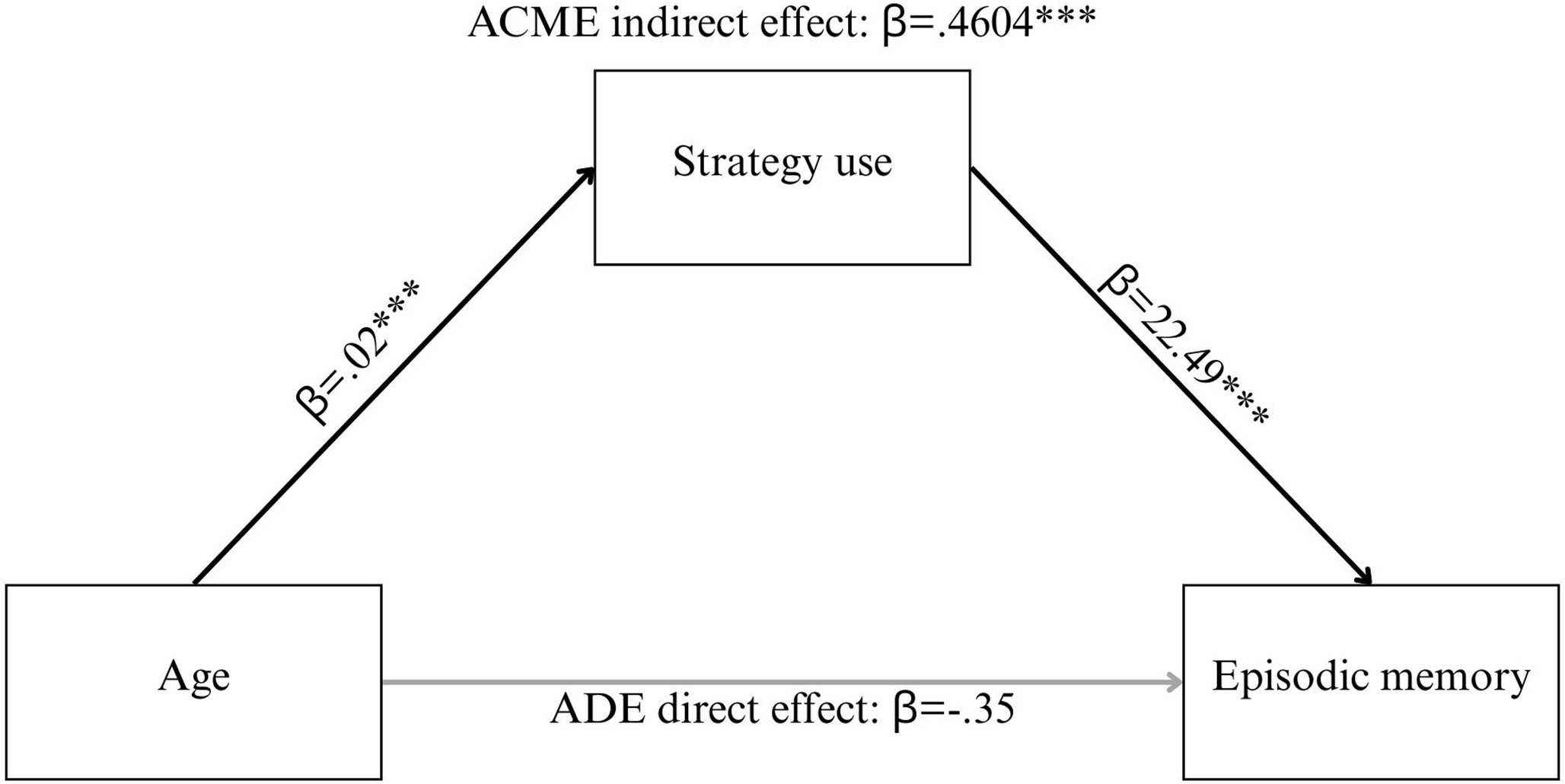
Age-related patterns were similar across most abilities. Poorer word recall was associated with older age only among non-autistic adults. Older autistic adults made greater use of grouping words by meaning, which the authors suggested partly explained the absence of an age association with recall. In both groups, older age was linked to poorer performance on tasks testing control of responses and switching tasks, but fewer self-reported difficulties. The authors interpreted the results as evidence against accelerated cognitive decline in autism.
Why it matters
Cognitive aging in autistic adults remains poorly understood. Comparing age-related patterns addresses whether autism is linked to faster decline rather than simply different task performance.
Caveats
This cross-sectional comparison could not track changes within individuals. The autistic participants mostly had relatively strong thinking and everyday functioning skills, and none was older than 64, limiting generalization beyond this population.
From the paper
- Participants
Fifty-nine autistic and 110 non-autistic adults were recruited.
- Limitation
The relatively restricted age range limits conclusions about late-adulthood patterns.
Quoted word for word from the full text on link.springer.com.
The paper
Cognitive Aging Patterns in Autism: Parallel, Accelerated, or Safeguarded?
Université de Tours
Journal of Autism and Developmental Disorders, Sep 22, 2026, Open access


Comments
Be the first to comment.