Changes in LDL-C levels among primary health care patients with hypertension, coronary artery disease, and diabetes during a 36-month follow-up
36 months, declared no competing interests
Abstract
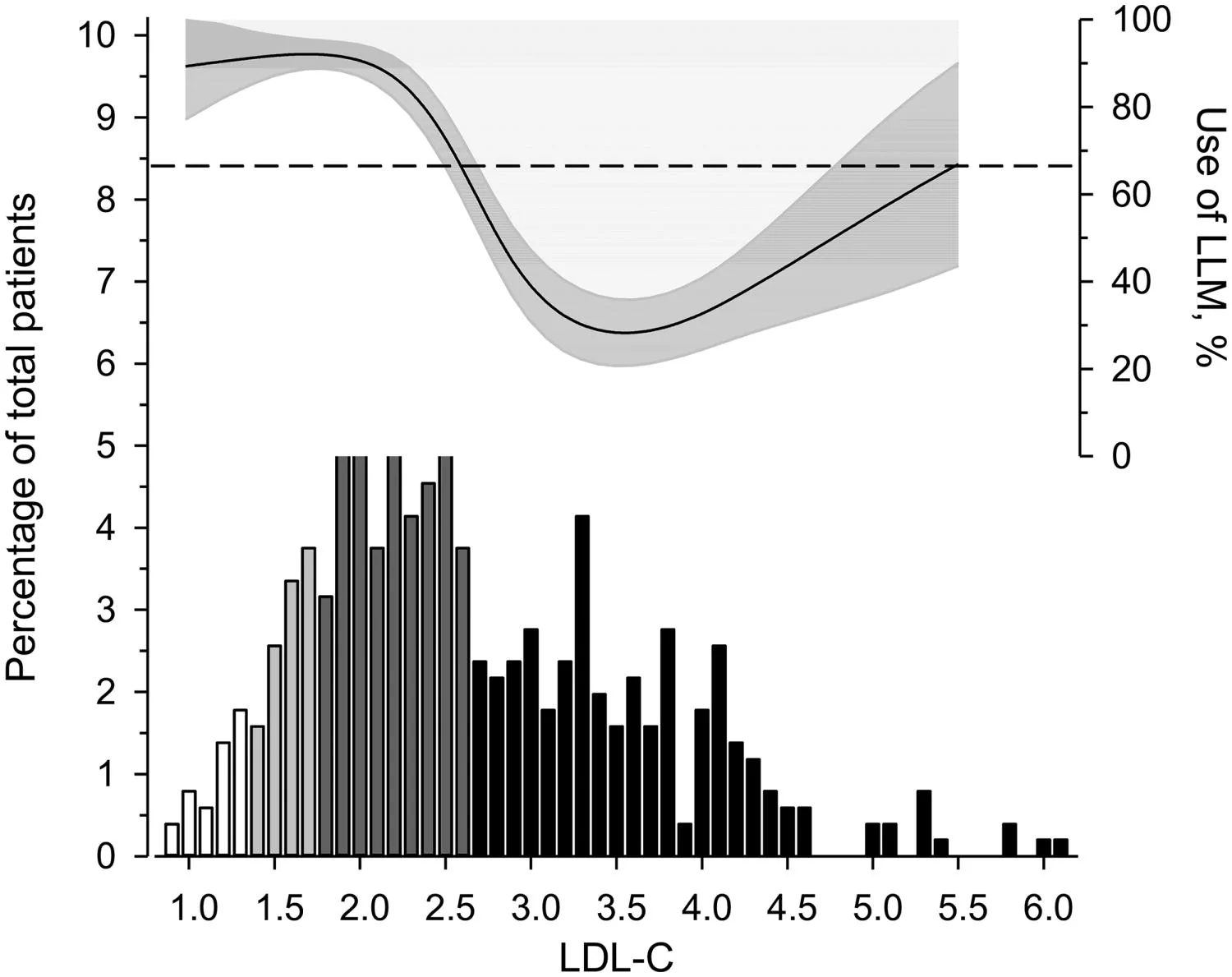
BACKGROUND AND AIMS: Low-density lipoprotein cholesterol (LDL-C) level is one important modifiable risk factor for cardiovascular diseases. This study aimed to describe the characteristics of primary health care patients with hypertension, coronary artery disease, or diabetes according to their LDL-C levels and to observe changes in these levels and medications during the 36-month follow-up. METHODS: This study was based on a clinical trial, conducted in a health centre in Siilinjärvi, Finland, between 2017 and 2021. A total of 507 patients with hypertension, coronary artery disease, or diabetes were divided into four groups based on their baseline LDL-C levels to align with the dyslipidaemia guideline risk categories as follows: LDL-C (mmol/L) in Group 0 (< 1.4), Group 1 (1.4-1.8), Group 2 (>1.8-2.6), and Group 3 (> 2.6). RESULTS: The mean age at baseline was 69 years (58% females). All patients in Groups 0 and 1 already used lipid-lowering medication. A lower LDL-C level at baseline was statistically significantly associated with higher age, lower blood pressureand lower alcohol consumption. There were changes in the pharmacologically active substances prescribed in all groups. During the 36-month follow-up, the mean LDL-C values decreased statistically significantly in group 3 (-0.76 mmol/L, 95% CI -0.90 to -0.62, -21%, p < .001: [ANCOVA]). The highest increase in lipid-lowering medication prescriptions occurred within this group. CONCLUSIONS: This study provides a perspective on real-word treatment patterns and changes in medications prescribed as the recommendations change over time. During a period of increasing pharmacotherapeutic opportunities, this study, conducted in everyday clinical practice suggests that common lipid-lowering medications (atorvastatin and rosuvastatin) are most frequently used for primary health care patients, and are associated with a significant decrease in LDL-C levels. A greater decrease was observed among patients with higher baseline LDL-C values. Despite decreases in LDL-C, this study suggests that the gap remains between guideline-recommended treatment targets and achieved LDL-C levels.
From the paper
- Follow-up
In Group 2 and 3, the percentage of patients prescribed with LLM increased during the 36-month follow-up, with the greatest increase seen in Group 3.
- Limitation
On the one hand, not knowing the individual target levels for each patient is a limitation in this study.
Quoted word for word from the full text on PubMed Central.
The paper
University of Eastern; Educational Services
Scandinavian Journal of Primary Health Care, 15 Sep 2026