Macrolide-induced aldosterone suppression as a functional marker of KCNJ5-mutated aldosterone-producing adenoma: a proof-of-concept clinical and experimental study (MAPA study)
Abstract
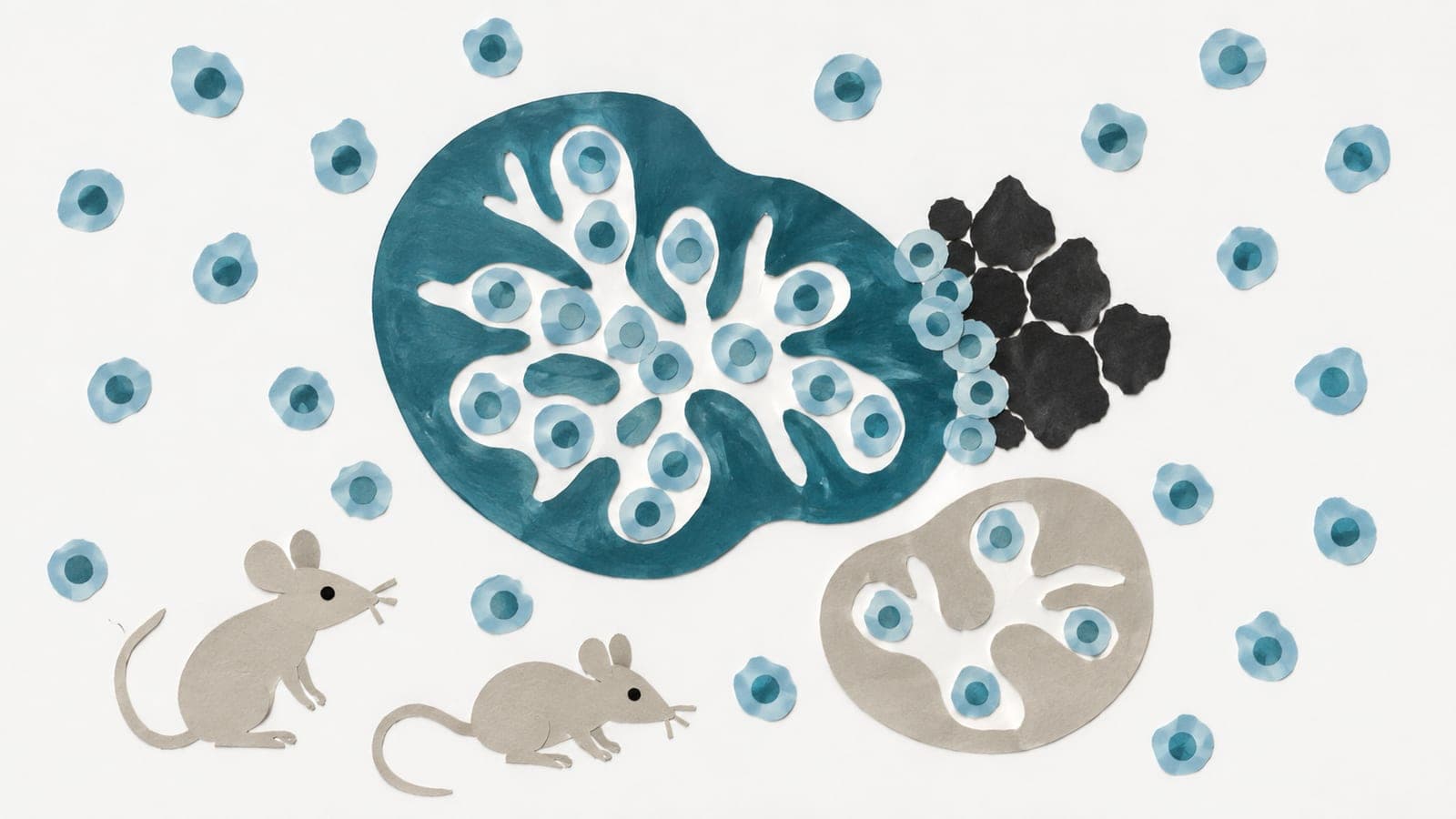
OBJECTIVE: Primary aldosteronism (PA), the most common curable form of hypertension, is frequently caused by aldosterone-producing adenomas (APAs) harbouring KCNJ5 mutations that render aldosterone synthesis sensitive to macrolides in vitro. This study aimed to evaluate whether a single dose of roxithromycin reduces plasma aldosterone concentration (PAC) and blood pressure (BP) in patients with KCNJ5-mutated APA, and to characterize the haemodynamic effects of macrolides in mice. DESIGN: Prospective, within-patient pharmacologic challenge. METHODS: At the specialized Hypertension Center, University of Padua, eligible consecutive hypertensive patients screened for PA underwent a pharmacologic challenge with a single oral dose of roxithromycin to investigate the within-patient changes in PAC, active renin, cortisol, and BP. RESULTS: Among 373 challenged patients, 18 had KCNJ5 (G151R or L168R)-mutated APA, 25 had wild-type APA, and 307 had no PA. Roxithromycin reduced PAC (P < .001) only in APA with KCNJ5 mutation, albeit it did not lower BP values. However, it produced a small BP decrease in non-PA hypertensive patients. Mouse studies showed that this BP lowering can be due to macrolide-induced attenuation of angiotensin II actions involving enhancement of endothelium- and nitric oxide-dependent vasodilation. CONCLUSIONS: The selective suppression of aldosterone secretion with roxithromycin in KCNJ5-mutated APA in vivo, which aligns with ex vivo mechanistic data, can represent a functional marker of KCNJ5 mutations and could help guide precision subtyping of PA patients. Macrolides also exhibit an aldosterone-independent antihypertensive effect in non-PA patients, which involves nitric oxide-dependent vasodilation.
The paper
University of Padua
European Journal of Endocrinology, 28 Aug 2026