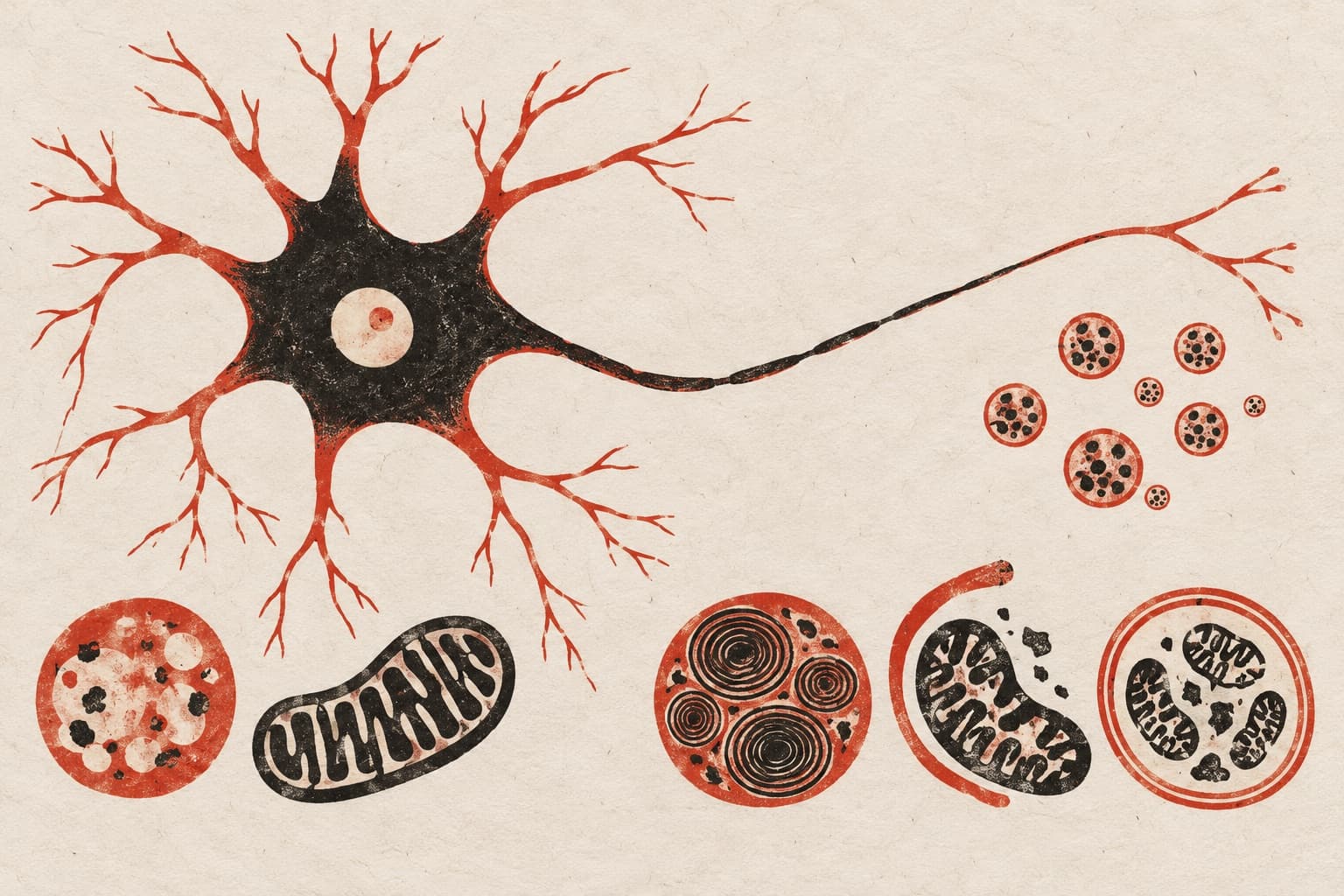
Oxygen-limiting drug combination extends lifespan in mice
In mice with severe mitochondrial disease, a two-drug treatment extended median lifespan from 62 days to 158 days.
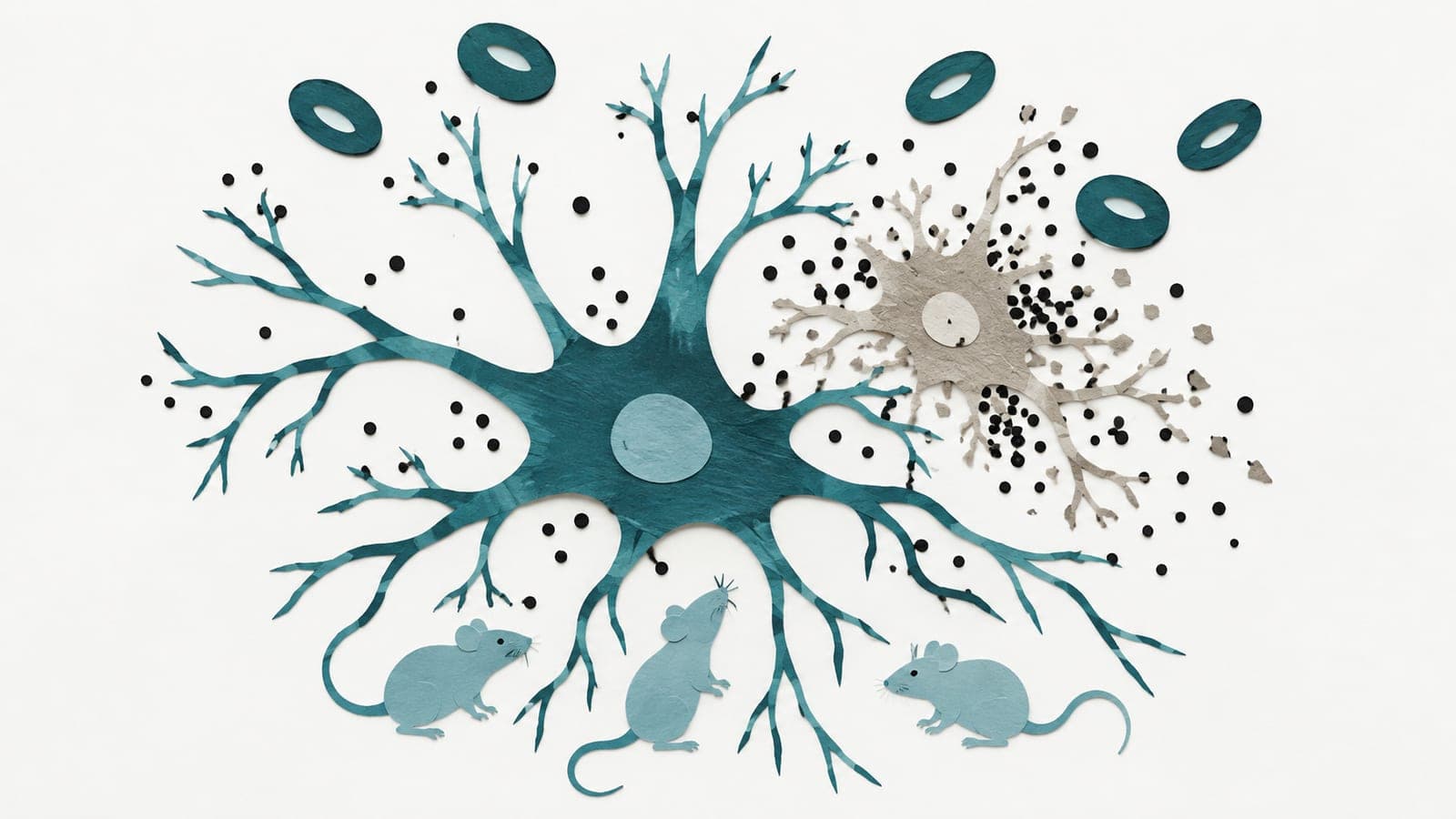
In an experiment in mice, researchers tested a two-drug regimen designed to mimic the effects of breathing low-oxygen air. The treatment combined GBT601, a compound that binds haemoglobin to limit oxygen delivery, with PT2399, which blocks excess red blood cell production.
The team gave the drugs to mice after disease had already begun. In 50-day-old mice with advanced Leigh syndrome, a severe mitochondrial disorder, the combination extended median lifespan from 62 to 158 days, while GBT601 alone extended it to 105 days. In a mouse model of Friedreich's ataxia, the treatment halted further progression of movement problems. In a mouse model of Parkinson's disease, the combination reversed movement problems, lowered excess brain oxygen and reduced lipid peroxidation, which is oxidative damage to fats. Treated animals maintained body weight and showed no signs of high blood pressure in the lungs.
Why it matters
Neurodegenerative conditions such as Parkinson's disease become more common as people grow older. Testing chemical methods to restrict tissue oxygen in animals bears on whether altering oxygen delivery can help counter neurodegenerative processes in aging brains.
Caveats
The findings come entirely from mouse models, and humans may respond differently to chemical oxygen restriction. The safety and effectiveness of the drug regimen have not yet been evaluated in clinical trials.