Aesthetic, muscle, and dermatologic effects of medical weight management: patient-reported outcomes shape a holistic preventive procedural approach
Abstract
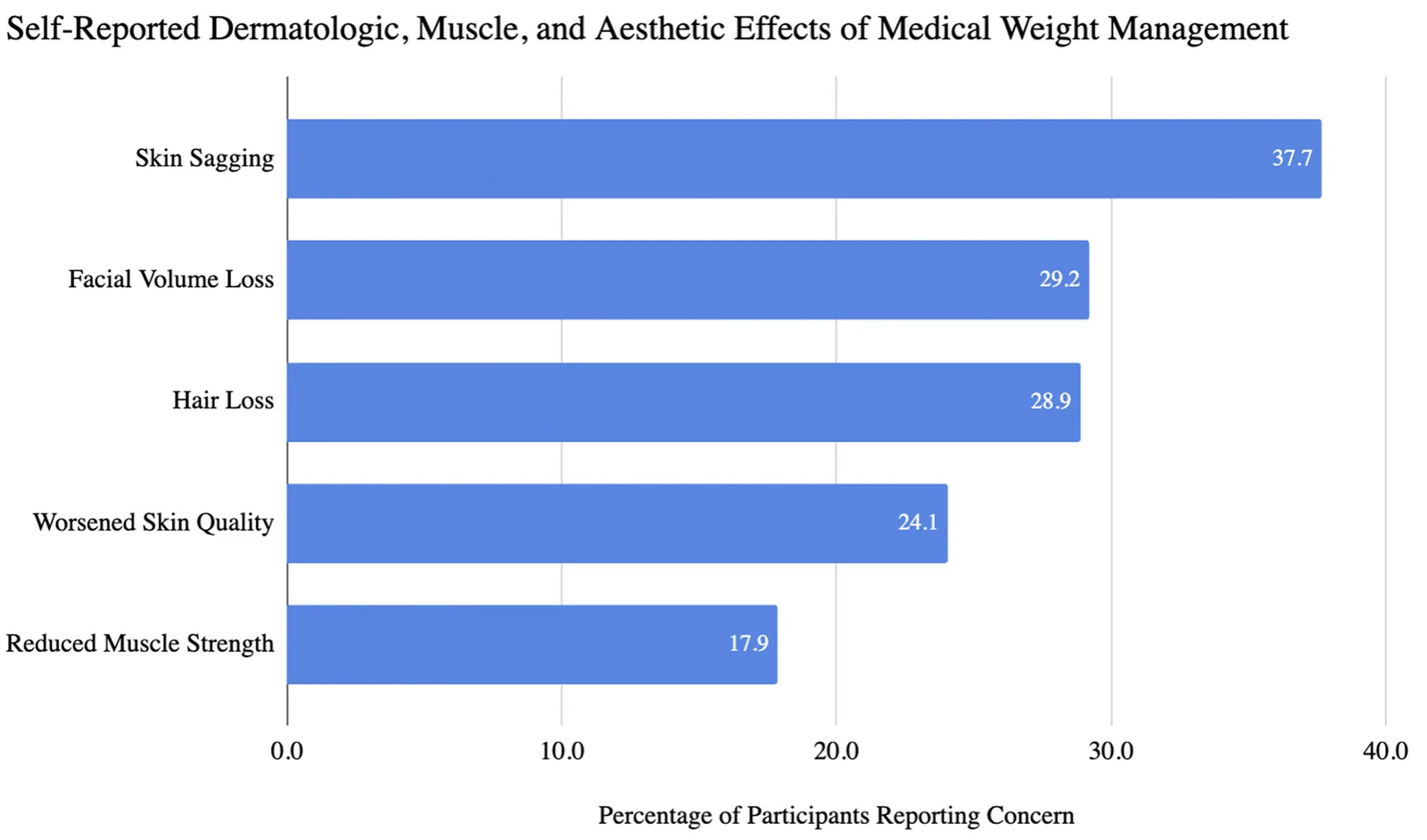
BACKGROUND: As glucagon-like peptide-1 receptor agonists (GLP-1RAs) have become increasingly central to obesity care, calls for protocols to mitigate or prevent potential aesthetic and muscle sequelae have emerged. OBJECTIVE: This study aimed to to evaluate patient-reported concerns regarding aesthetic and muscle-related changes during pharmacologic weight management, particularly among individuals treated with GLP-1RAs, and to highlight potential strategies to address these effects. METHODS: An institutional review board-approved anonymous survey of 1,226 patients receiving pharmacologic weight management through a national telemedicine platform assessed patient-reported dermatologic, aesthetic, and muscle-related outcomes. Survey findings were analyzed and supplemented with a targeted PubMed literature review to develop a practical management framework. RESULTS: Over 60% of participants reported concerns including skin laxity, facial volume loss, hair shedding, worsened skin quality, and reduced muscle strength. These concerns increased with greater weight loss and were more common among GLP-1RA users, who generally experienced greater weight reduction than non-GLP-1RA users. LIMITATIONS: Limitations of this study include the voluntary survey design, potential selection and recall bias, and a study population largely consisting of White, female telemedicine patients, which may limit generalizability. Rate of weight loss was not captured, leaving its impact on outcomes uncertain. CONCLUSION: As unwanted aesthetic and muscle effects can undermine treatment adherence, a holistic approach including nutrition, strength preservation, and - when appropriate - aesthetic and regenerative therapies - could promote improved weight and health outcomes.
The paper
Yale University; Beth Israel Deaconess Medical Center
International Journal of Women's Dermatology, 14 Aug 2026, Open access