Genetic method maps age-specific links to diabetes risk
An observational genetic analysis of 111,360 UK Biobank participants linked genetically predicted body mass index most strongly to type 2 diabetes at age 50.
Our read
AI & data- Studied:
- Mendelian randomization in 111,360 UK Biobank participants of European ancestry
- What changed:
- Genetically predicted body mass index had its strongest association with diabetes risk at age 50, weakening from the early 60s
- The catch:
- The human results covered people of European ancestry, not other populations
- Why it’s aging research:
- It bears on staying healthy in midlife and later life.
Editor of record: Boris Djordjevic · AgingResearch.News
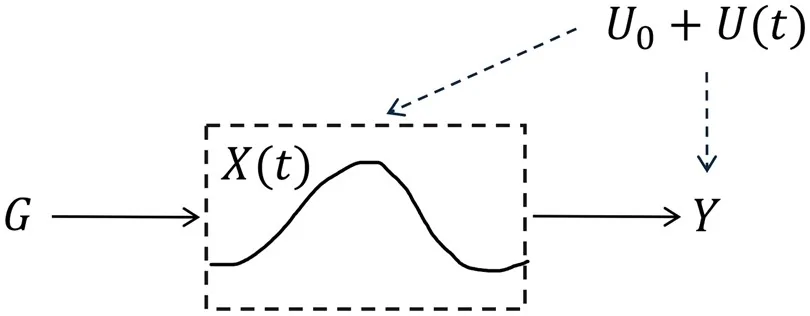
In 111,360 UK Biobank participants of European ancestry without type 2 diabetes at age 50, researchers tested a new Mendelian randomization method. This observational analysis used genetic differences and repeated measurements of body mass index, a weight-for-height measure, between ages 50 and 70. The method estimated how links to disease varied with age, rather than treating them as fixed.
Computer simulations recovered changing patterns with little bias. In the UK Biobank analysis, genetically predicted body mass index had its strongest association with diabetes risk at age 50. The association weakened from the early 60s, when the range of likely values included no association. A related analysis of a blood sugar marker found a similar age pattern, providing indirect support for the method.
Why it matters
Following body mass index across adulthood addresses a life-course question: whether the timing of an exposure matters for its link to disease.
Caveats
The method assumed that the genetic variants affected diabetes only through body mass index, and its uncertainty ranges were overly narrow for complex simulated patterns. The human results covered people of European ancestry without diabetes at age 50, not other populations.


Comments
Be the first to comment.