Exercise-induced cardiac hypertrophy: cellular and molecular mechanisms of cardiac adaptation following physical activity
Abstract
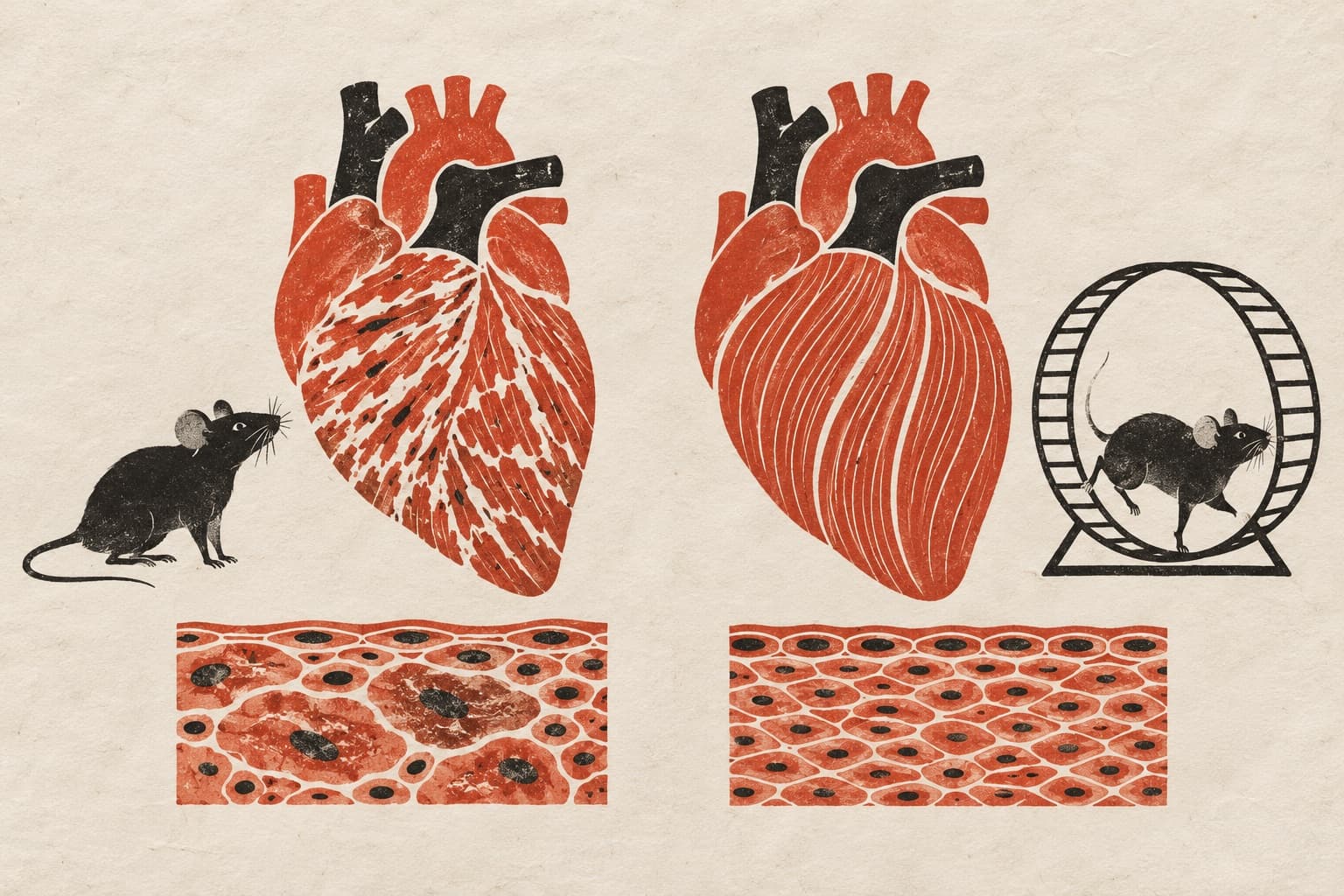
Cardiac hypertrophy, characterized by an increase in the size of cardiac myocytes, is an adaptive response to increased workload on the cardiac tissue following physiological stimuli, such as exercise, and pathological conditions, such as hypertension or valvular heart disease. Typically, physiological hypertrophy induced by various exercise modalities leads to beneficial adaptations, such as improved contractile function and increased oxidative capacity. Understanding the molecular mechanisms underlying physiological cardiac hypertrophy is crucial for developing targeted therapeutic strategies. This review provides a comprehensive overview of current knowledge of physiological cardiac hypertrophy, with a particular focus on adaptations induced by various exercise modalities. We delved into the potential cellular and molecular pathways involved in physiological hypertrophy including IGF1/PI3K/AKT, angiotensin2, hepatocyte growth factor, platelet-derived growth factor. MAPK/ERK cascade, calcineurin, Neurogelin2 and downstream transcriptional factors such as HAND2, GATA4, MEF2, NKX2.5, TBX5, NFAT, c/EBPβ, CITED4, PHLPP, as well as the role of microRNAs (miRNAs) like miR-222 and miR-17 in mediating these adaptations. Furthermore, we used comparative tables to illustrate the differential effects of endurance, high-intensity interval training (HIIT), and resistance training on structural, molecular, and functional cardiac parameters, as markers of physiological hypertrophy. We also presented pathway-specific percentage changes observed across different exercise training modalities to highlight key differences. The discussion integrated these findings to explore translational perspectives and to offer the most beneficial exercise training schedules that induce physiological hypertrophy.
The paper
Farhangian University; Ferdowsi University of Mashhad
Postepy W Kardiologii Interwencyjnej, 31 Mar 2026, Open access