Diet composition linked to disease risk after menopause
A 20% higher saturated-fat calorie share was linked to coronary disease, with a hazard ratio—a measure of relative risk—of 1.13 compared with other calorie sources.
Our read
Populations- Studied:
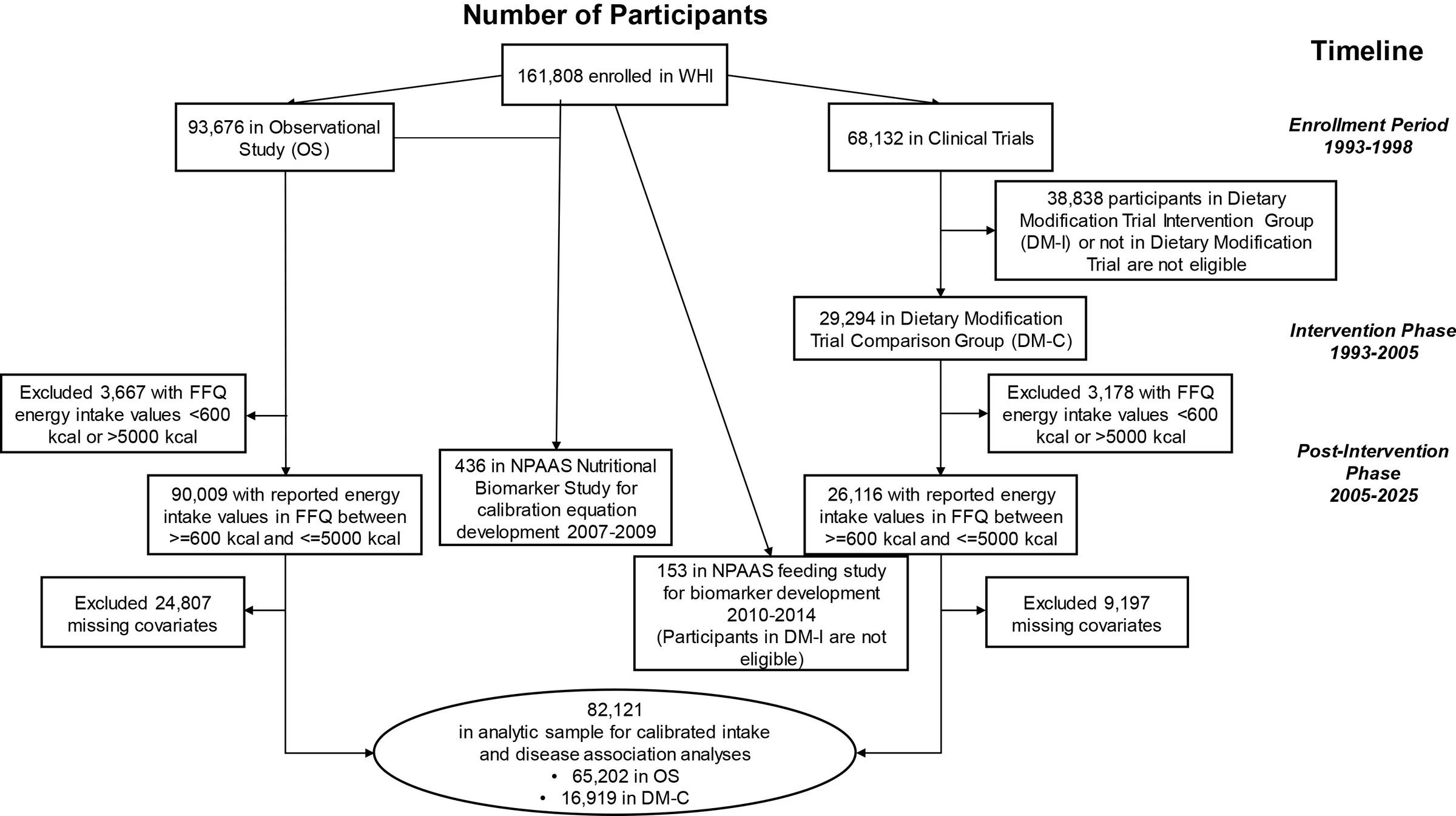
- Cohort study of 82,121 postmenopausal US women, median 12.7 years (Registered NCT00000611)
- What changed:
- Coronary artery disease risk was higher with each 20% increase in saturated fat’s share of energy (hazard ratio 1.13)
- The catch:
- Fiber, vegetable, and fruit intake could partly explain the saturated fat–heart disease association
- In the record:
- The 38th paper on polyunsaturated fatty acids with results in people; 129 on record in all.
Editor of record: Boris Djordjevic · AgingResearch.News
The 82,121 postmenopausal US women in this observational cohort analysis were aged 50–79 at enrollment. Researchers used blood and 24-hour urine measurements from 436 women to adjust questionnaire estimates of the share of calories from different nutrients. They compared those estimates with later disease diagnoses.
Higher saturated-fat shares were linked to coronary artery disease, which affects the heart’s blood supply. Higher polyunsaturated-fat shares were linked to breast cancer. Higher shares from either fat type or protein were linked to type 2 diabetes, compared with other calorie sources. A hazard ratio above one indicates a higher disease rate during follow-up. The analysis found little evidence linking saturated fat to breast cancer or polyunsaturated fat to coronary artery disease.
Why it matters
Heart disease, breast cancer and type 2 diabetes affect health in later life. More accurate dietary estimates may help clarify their links with what people eat.
Caveats
Nutrient intake was not randomly assigned, and other dietary factors may have contributed to the links; after additional dietary adjustment, the saturated-fat association with coronary disease was no longer statistically clear. All participants were postmenopausal US women, so the findings do not cover men or women before menopause.
From the paper
- Participants
… shows some details about participant exclusions and participant flow, leading to 82,121 participants being included in disease association analyses.
- Limitation
Furthermore, even for the designated primary dietary exposures and outcomes there are several significance tests conducted, and accordingly nominal significance levels may not be sufficiently conservative.
Quoted word for word from the full text on PubMed Central.
- Dietary protein
- Dietary carbohydrate
- Polyunsaturated fatty acids
- Coronary artery disease
- Breast cancer
- Humans
The paper
University of Washington
The American Journal of Clinical Nutrition, Aug 13, 2026, Open access

Comments
Be the first to comment.