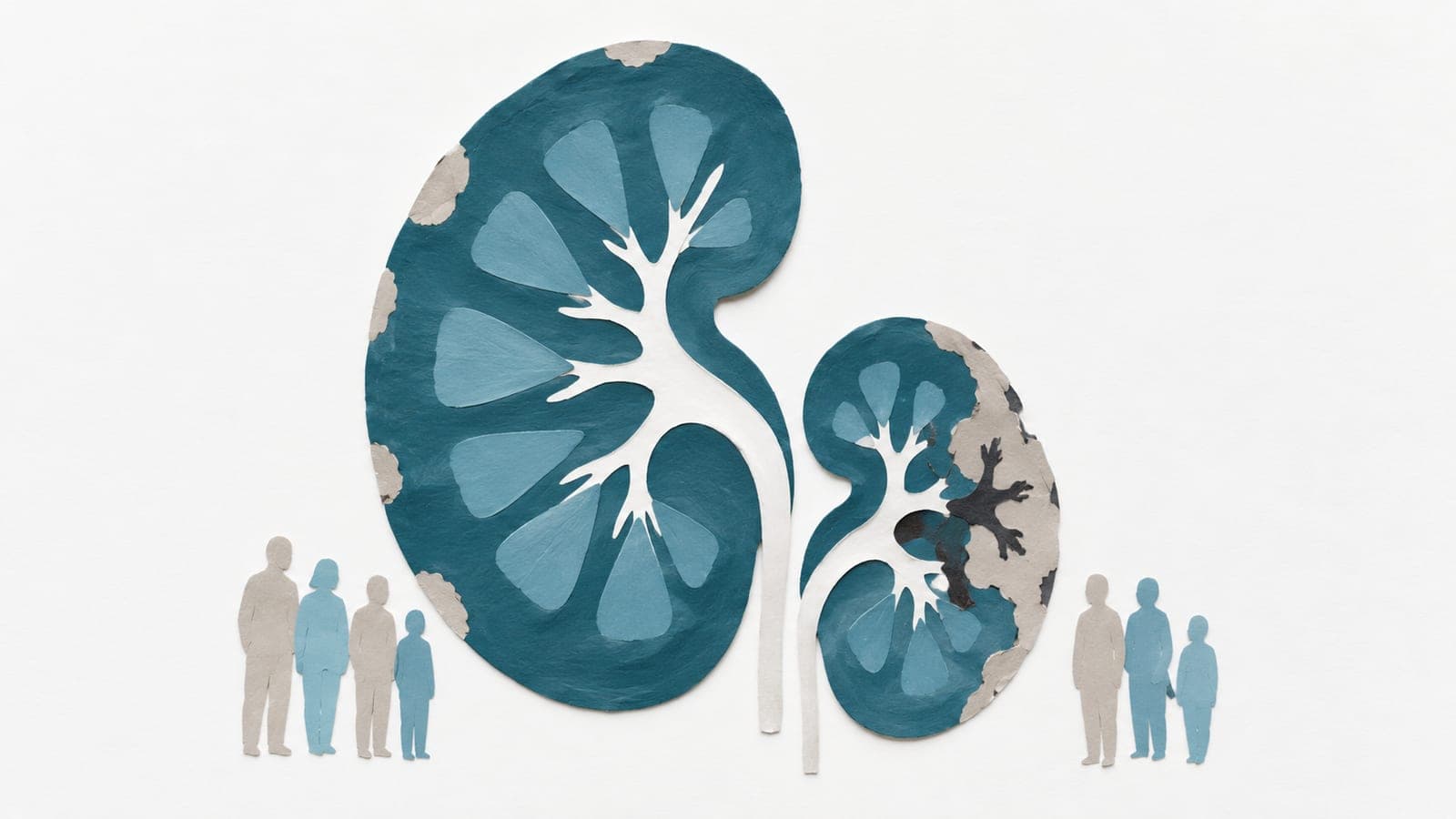
GLP-1RA pharmacokinetics and clinical effects: focus on cardiac, vascular, and glomerular structures
Abstract
INTRODUCTION: Glucagon-like peptide-1 receptor agonists (GLP-1RAs) have emerged as a key drug class in the management of the cardio-nephro-metabolic continuum. Their effects extend to the cardiac, vascular, and renal systems, providing a pathophysiological basis for the results of cardiovascular outcomes trials. Their pharmacokinetic properties substantially contribute, as structural modifications prolonged plasma half-life and increased systemic exposure through resistance to enzymatic degradation, albumin binding, and optimization of molecular size. AREAS COVERED: This review integrates current evidence on pharmacokinetics, pharmacodynamics, and clinical effects of GLP-1RA, focusing on the heart, vascular system, and kidney. A literature search up to March 2026 was performed using MEDLINE, EMBASE, Google Scholar, Web of Science, and the Cochrane Controlled Trials Register. GLP-1RAs exert modest chronotropic effects and provide cardiac protection in ischemia-reperfusion, although direct myocardial effects remain incompletely defined. Vascular benefits appear to be mediated by improved endothelial function, reduced oxidative stress, and modulation of nitric oxide pathways. In the kidney, GLP-1RAs modulate proximal tubular sodium reabsorption and tubuloglomerular feedback, leading to reduced albuminuria and a slower decline in renal function. Clinical trials and meta-analyses have documented reductions in major cardiovascular and renal outcomes. EXPERT OPINION: In our view, pharmacokinetics are a major determinant of the clinical profile of GLP‑1RAs, beyond glycemic control alone.
- GLP-1 receptor agonists
- GLP-1 and incretin signalling
- Nitric oxide–cGMP signalling
- Cardiovascular disease
- Kidney disease
- Humans
The paper
University of Bari Aldo Moro; Hospital “F. Perinei”
Expert Opinion on Drug Metabolism & Toxicology, 5 Aug 2026