Longitudinal associations between movement and sarcopenia, gait speed, and grip strength differ by frailty level in the Canadian Longitudinal Study on Aging
6 years
Abstract
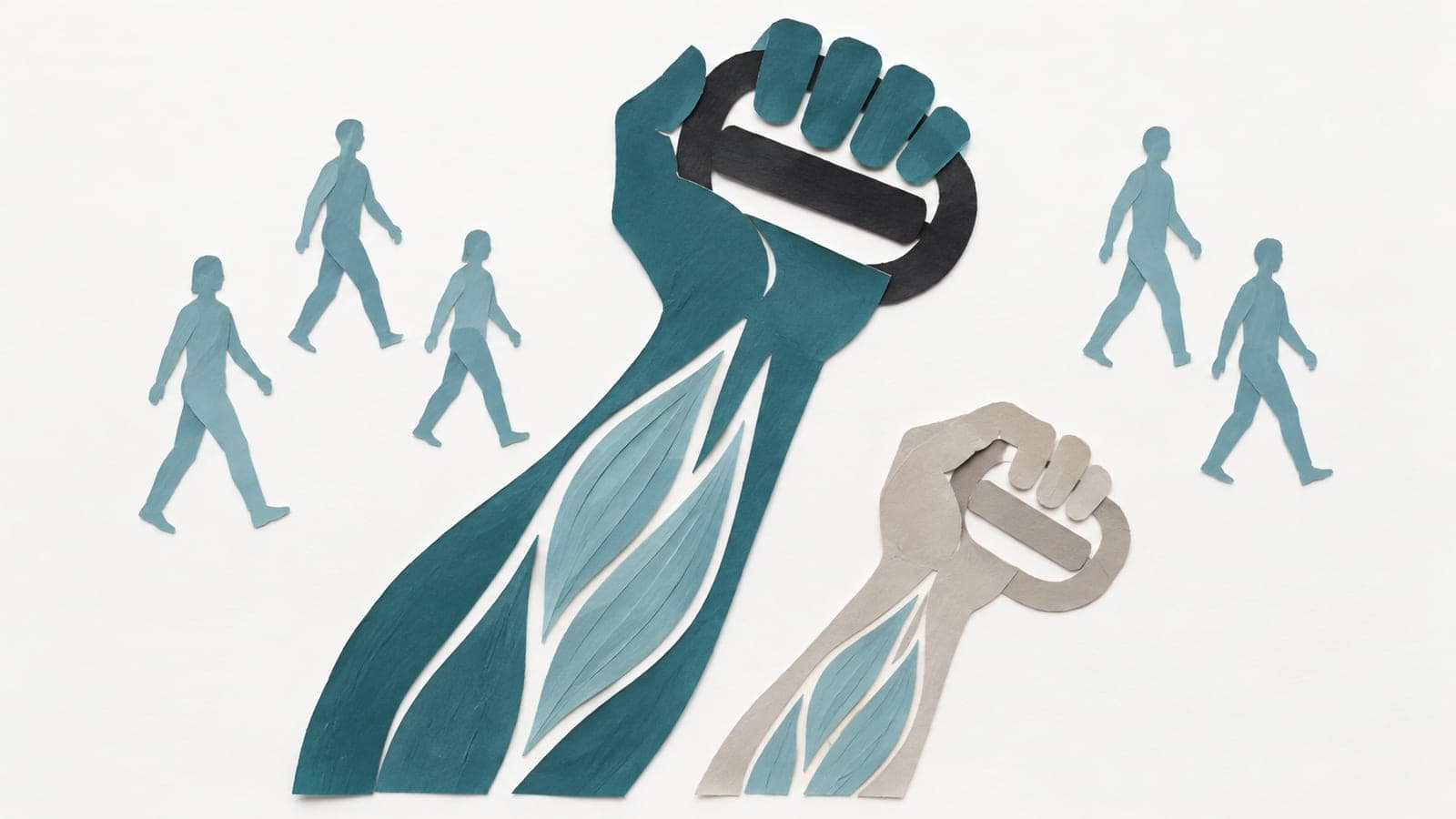
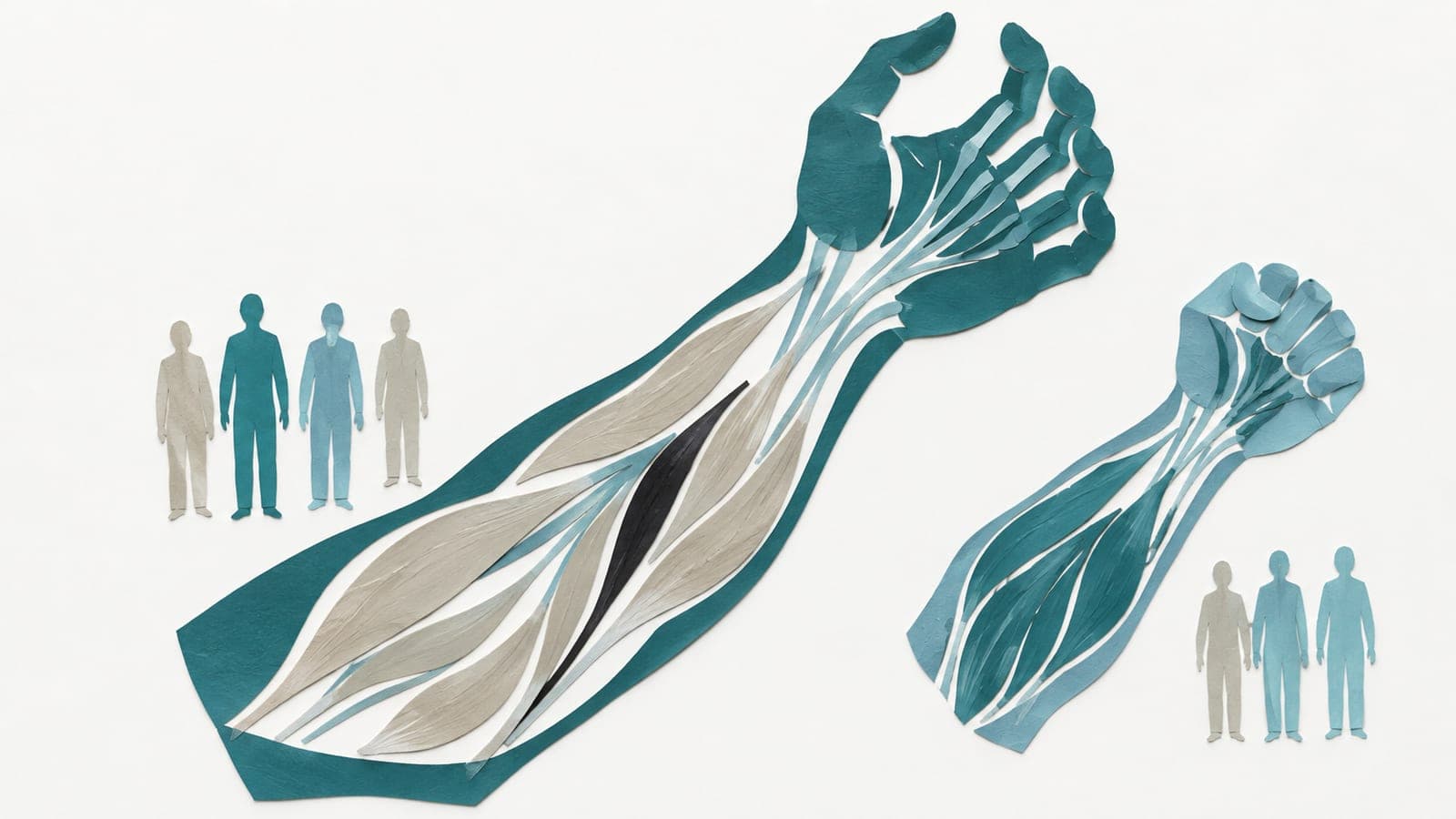
BACKGROUND: This study tested the hypotheses that more physical activity and less sitting would be associated with lower sarcopenia incidence, stronger grip strength, and faster gait speed, and these associations would be strengthened among higher frailty levels. METHOD: Participants (N = 10871, 50.7% females, age: 61.3 ± 9.3 years) without sarcopenia at baseline from the Canadian Longitudinal Study on Aging were included. Baseline frailty was determined using a 111-item index and participants were grouped as Low (<0.20, n = 9090) or High Frailty (≥0.20, n = 1781). Baseline activity was determined via the Physical Activity Scale for the Elderly. Sarcopenia at 6-year follow-up was defined according to the Sarcopenia Definition Outcomes Consortium. RESULTS: Over 6-years, 3.3% of Low Frailty and 17.9% of High Frailty individuals developed sarcopenia. Based on binary logistic regression, more LMPA was associated with lower sarcopenia incidence among High Frailty participants (OR: 0.9593, p = 0.002), but more strenuous activity was associated with lower sarcopenia incidence in Low Frailty participants (OR = 0.8860, p < 0.001). Based on multiple linear regressions, more LMPA was associated with faster gait speed across both participants of Low Frailty (β: 0.0005, p = 0.038) and High Frailty (β: 0.0022, p < 0.001). More strenuous activity (β: 0.0021, p < 0.001) and less sitting time (β: -0.0010, p < 0.001) was associated with faster gait speed among Low Frailty participants. Only strengthening activity was associated with stronger grip strength among Low Frailty participants (β: 0.0755, p = 0.005). CONCLUSION: These findings highlight the importance of prescribing physical activity intensity based on frailty stratification for sarcopenia prevention.
The paper
Dalhousie University; Université de Sherbrooke
Archives of Gerontology and Geriatrics, Jul 17, 2026, Open access