System xc⁻ deficiency suppresses microglial glutamate release and inflammation, ameliorating motor dysfunction and anxiety-like behaviors in aged mice
Abstract
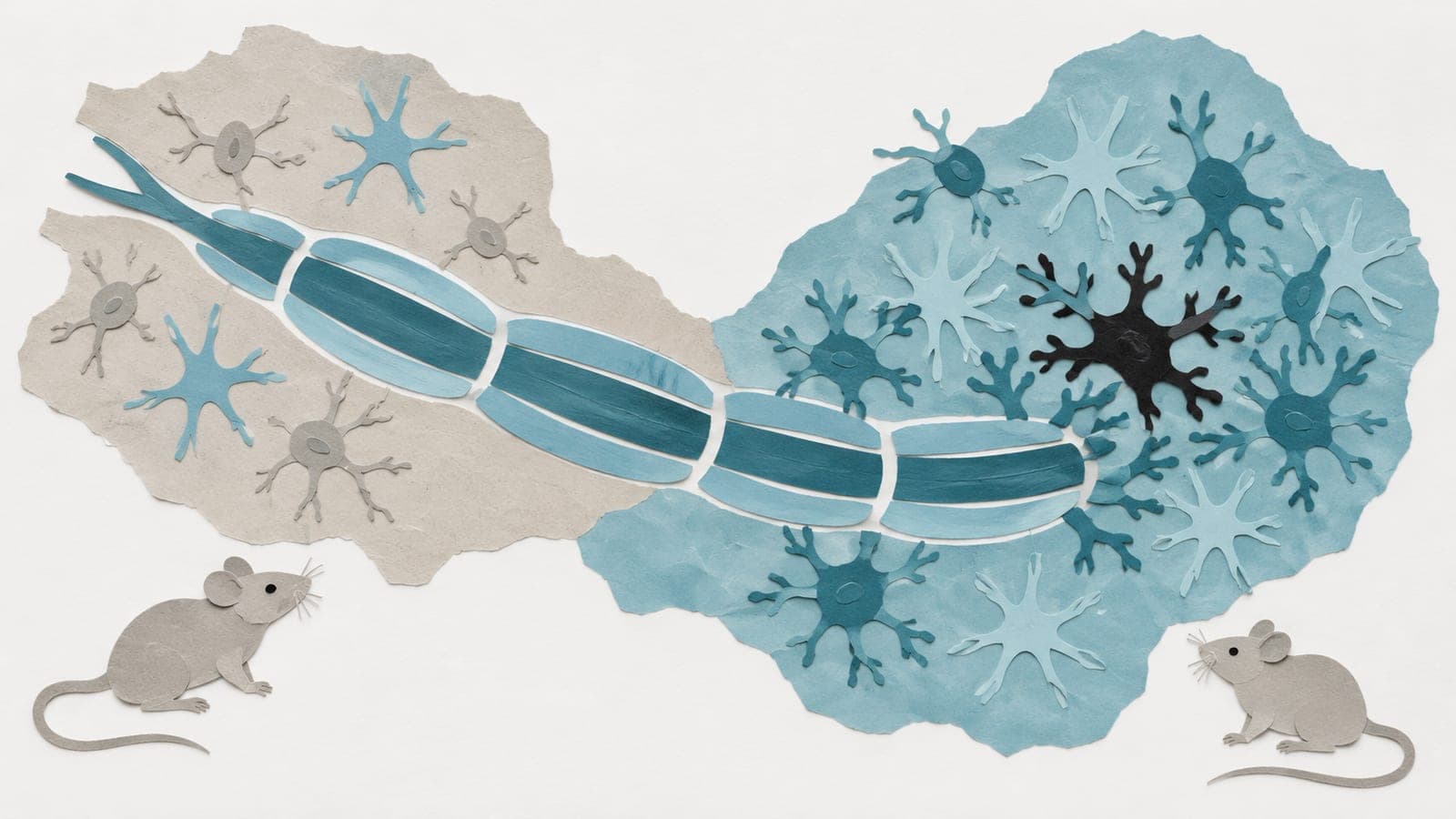
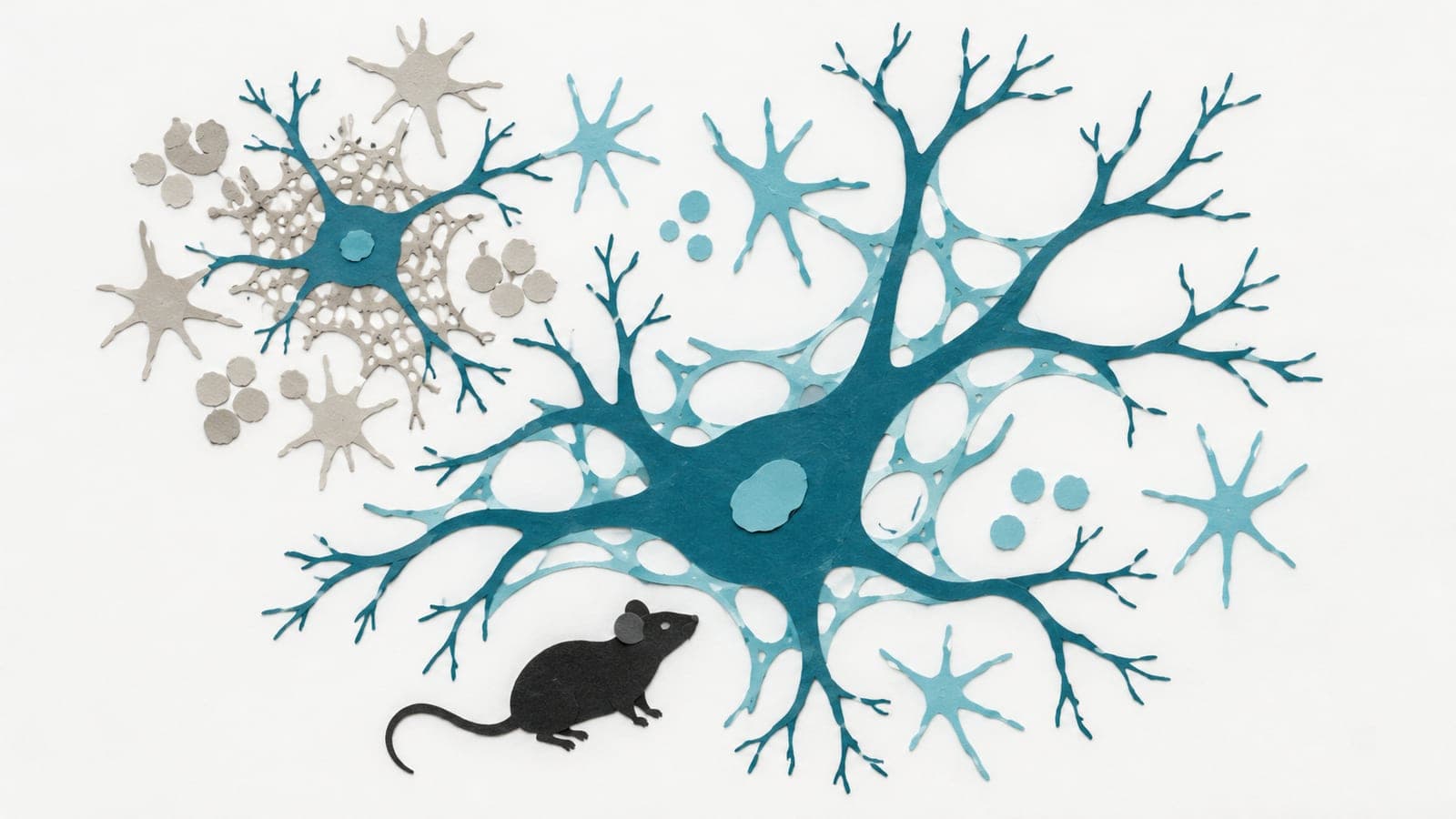
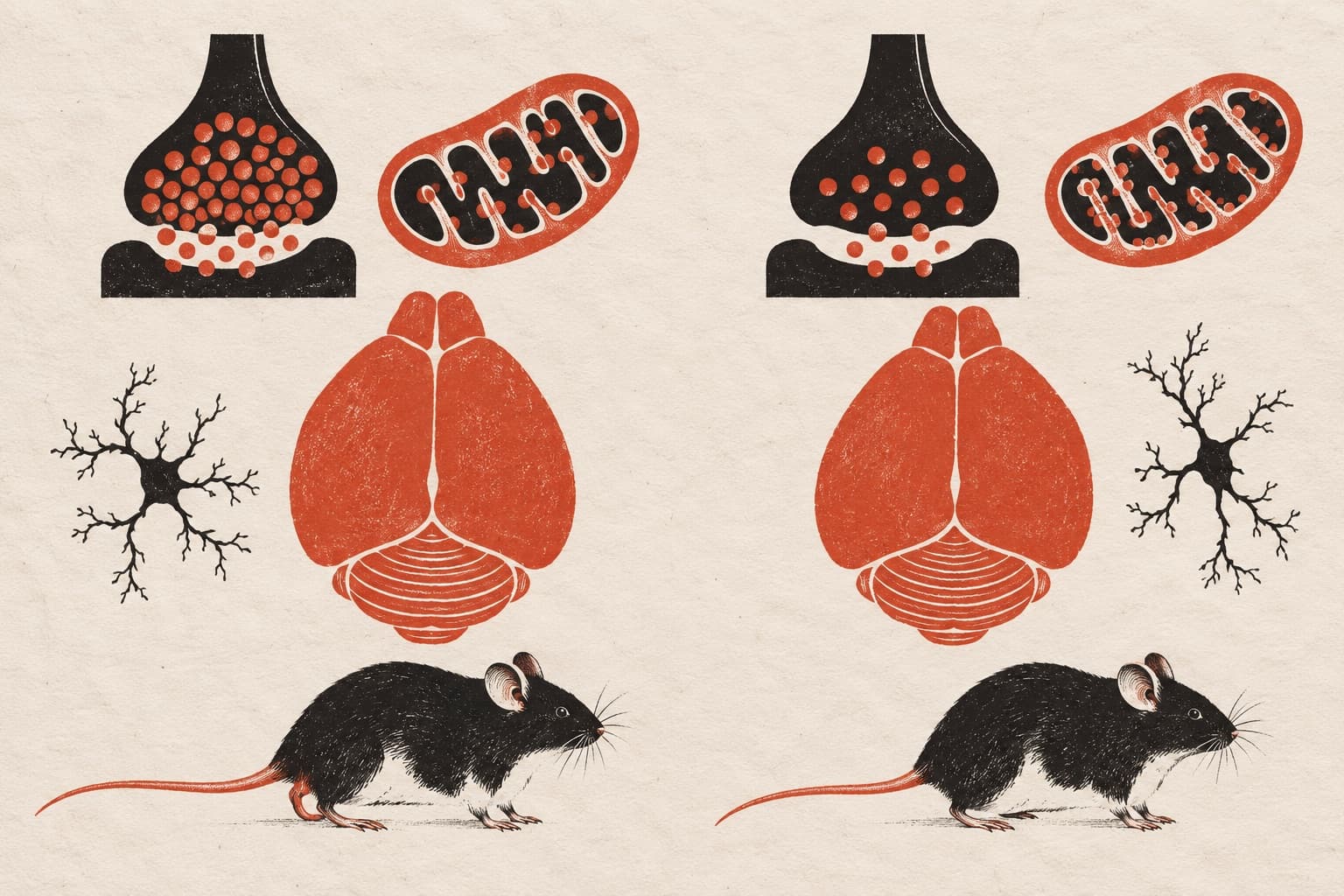
Elevated extracellular glutamate and neuroinflammation are well-established contributors to aging-related phenotypes. However, the cellular sources of extracellular glutamate and the underlying molecular mechanisms remain poorly understood. Therefore, this study aimed to determine the role of microglial system xc⁻, as a candidate source of extracellular glutamate, in physiological brain aging. Using aged xCT knockout (xCTKO) mice, which lack the functional subunit of system xc⁻, primary microglia, and cultured microglial cells, we examined xCT expression, glutamate release, inflammatory responses, oxidative status, and aging-related behavioral phenotypes. Here, we demonstrate that the microglial system xc⁻ is a major source of pathological extracellular glutamate in the aging mouse brain. Physiological aging, as well as aging-related stimuli significantly increased xCT expression in microglia. Genetic deletion or pharmacological inhibition of xCT significantly attenuated microglial glutamate release, which was enhanced by age-related xCT upregulation. Notably, although TNF-α protein expression was reduced in the brain of aged xCTKO mice compared with that of aged wild-type mice, TNF-α mRNA levels remained elevated. The reduction in TNF-α protein expression was rescued by N-acetyl-l-cysteine, an xCT-independent source of cysteine, suggesting that xCT deficiency suppresses inflammatory cytokine synthesis through reduced intracellular cysteine availability. Furthermore, aged xCTKO mice exhibited improved motor function and reduced anxiety-like behavior without exacerbating oxidative stress or affecting neuronal number. Collectively, these findings identify microglial xCT as an important source of extracellular glutamate during physiological aging and demonstrate that xCT deficiency suppresses microglial glutamate release and neuroinflammation, thereby ameliorating aging-related phenotypes.
The paper
Tottori University
Biochemical and Biophysical Research Communications, 30 Jul 2026