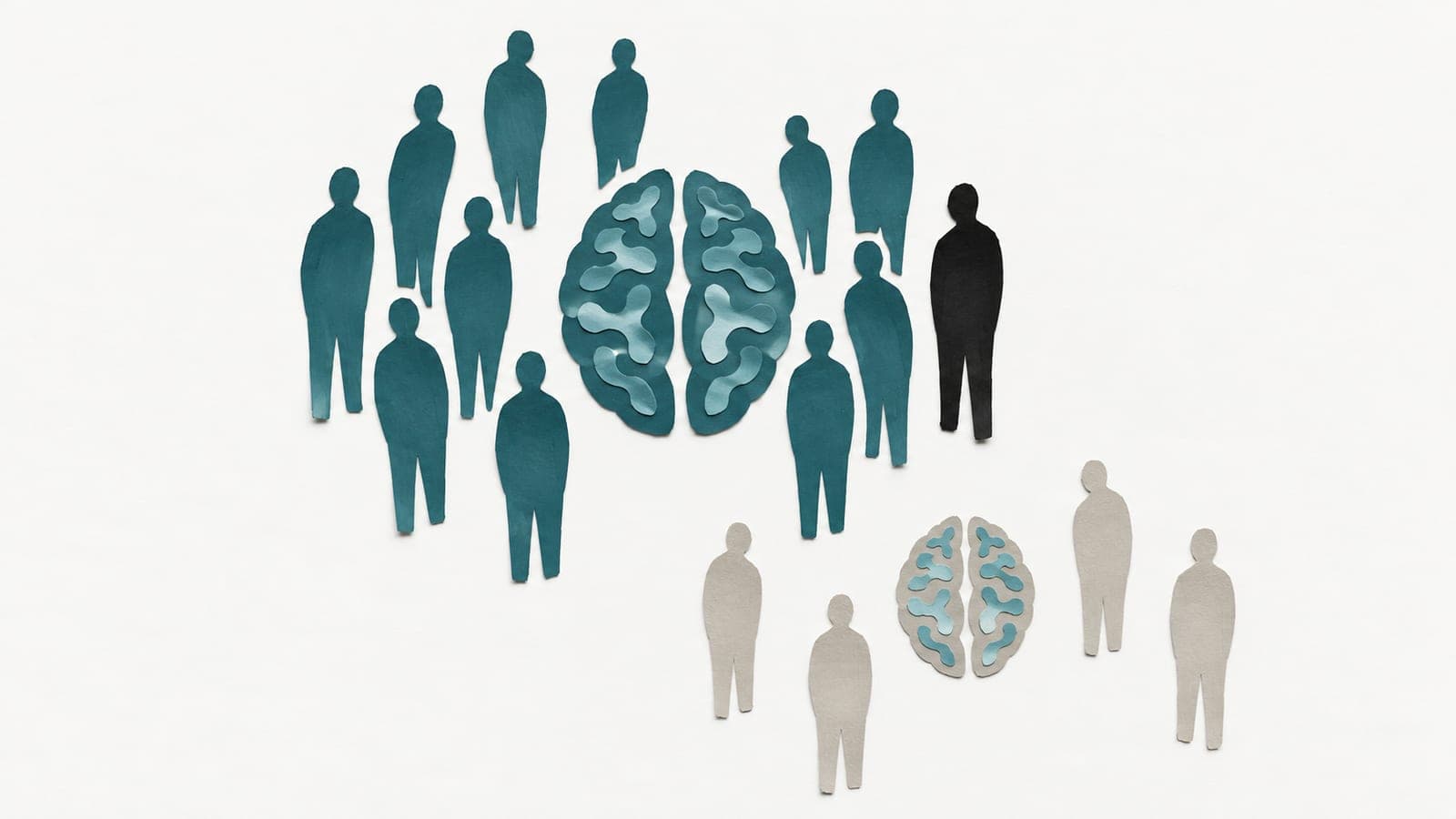
Social contact frequency profiles: reexamining associations between social network size, frequency of contact, and cognitive decline among older adults
Abstract
OBJECTIVES: While the cognitive benefits of larger social networks and more frequent social contact are known, the optimal amount of social interaction needed to derive these benefits remains unclear. This study explores the potential cognitive benefits of maintaining only periodic contact with social network members. METHODS: Data come from Rounds 1-3 of the National Social Life, Health, and Aging Project (NSHAP), a nationally representative sample of adults aged 57-85 at baseline (N = 1,820). We regressed cognition from Rounds 2 and 3 on baseline social network measures, including social network size, average frequency of contact, as well as a set of Social Contact Frequency Profiles created by counting the number of network members with whom one interacts on a daily or almost daily basis ("active confidants"), on a weekly or monthly basis ("intermittent confidants"), or less often ("dormant confidants"). RESULTS: After controlling for covariates, neither network size nor average frequency of contact showed consistent patterns of association with cognitive function at follow-up. However, the number of intermittent confidants in one's network was consistently associated with cognitive function at follow-up, measured both as continuous (B = 0.24, p = .003) and binary (OR = 0.78, p = .006). We also found the number of intermittent confidants in one's network is positively correlated with socioeconomic status. DISCUSSION: These findings highlight the potential need for strategies to strengthen intermittent networks among middle-aged and older adults, with particular attention to marginalized groups who may face barriers to forming or sustaining these connections.
The paper
University of Illinois Chicago
The Journals of Gerontology, Series B, 21 Jul 2026