Genetic data improve models predicting cognitive decline
Models combined genetic information with brain scans, using 23,997 UK Biobank participants for development and 3,000 people from two other studies for validation.
Our read
Biomarkers- Studied:
- Cohort study of 3,000 older adults, against models without genetics
- What changed:
- Adding polygenic scores to hippocampal normative models improved prediction of cognitive scores longitudinally, outperforming models without genetics
- The catch:
- Hippocampal volume remains among the least reliable subcortical volume estimates due to shape and location
Editor of record: Boris Djordjevic · AgingResearch.News
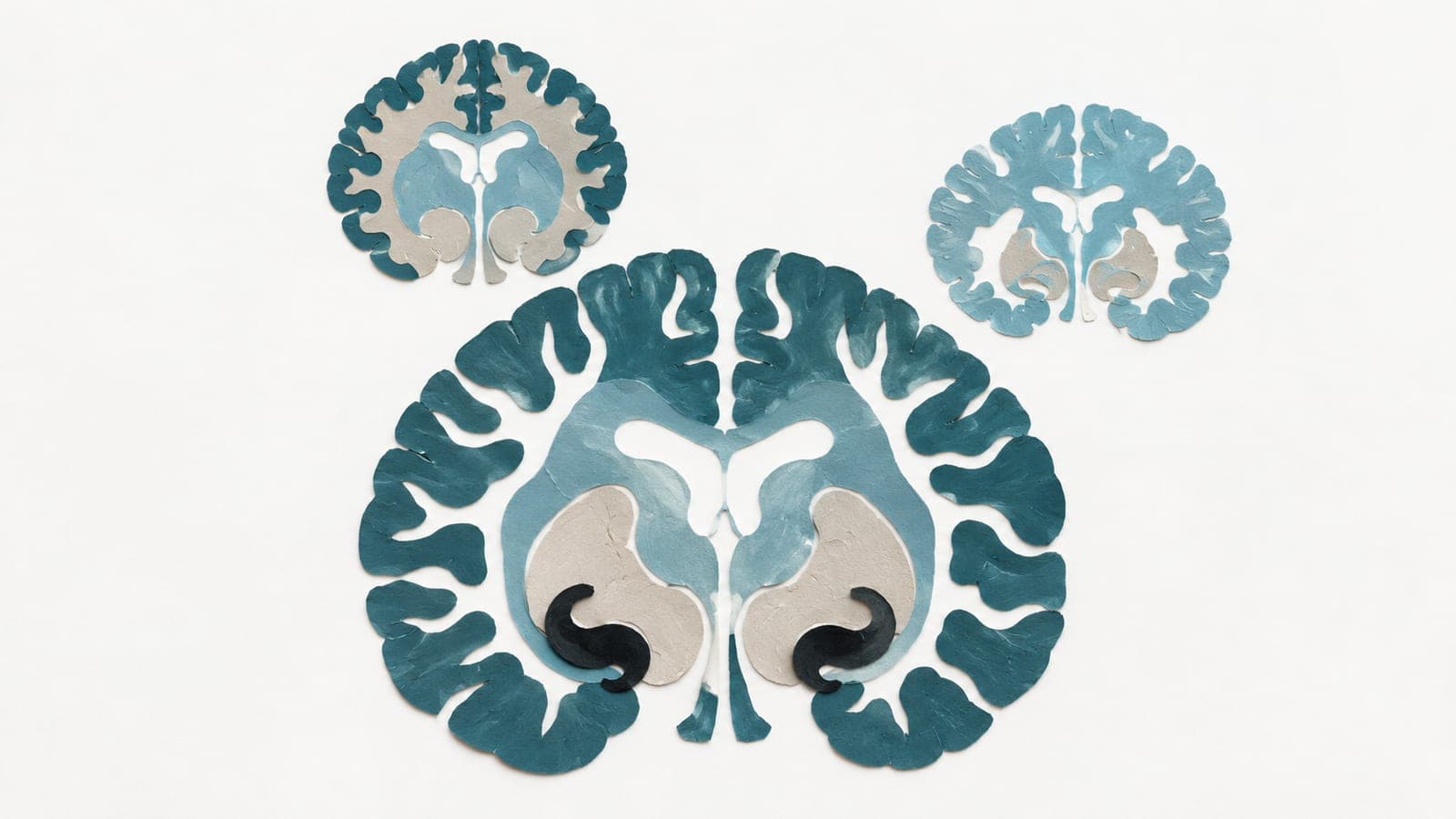
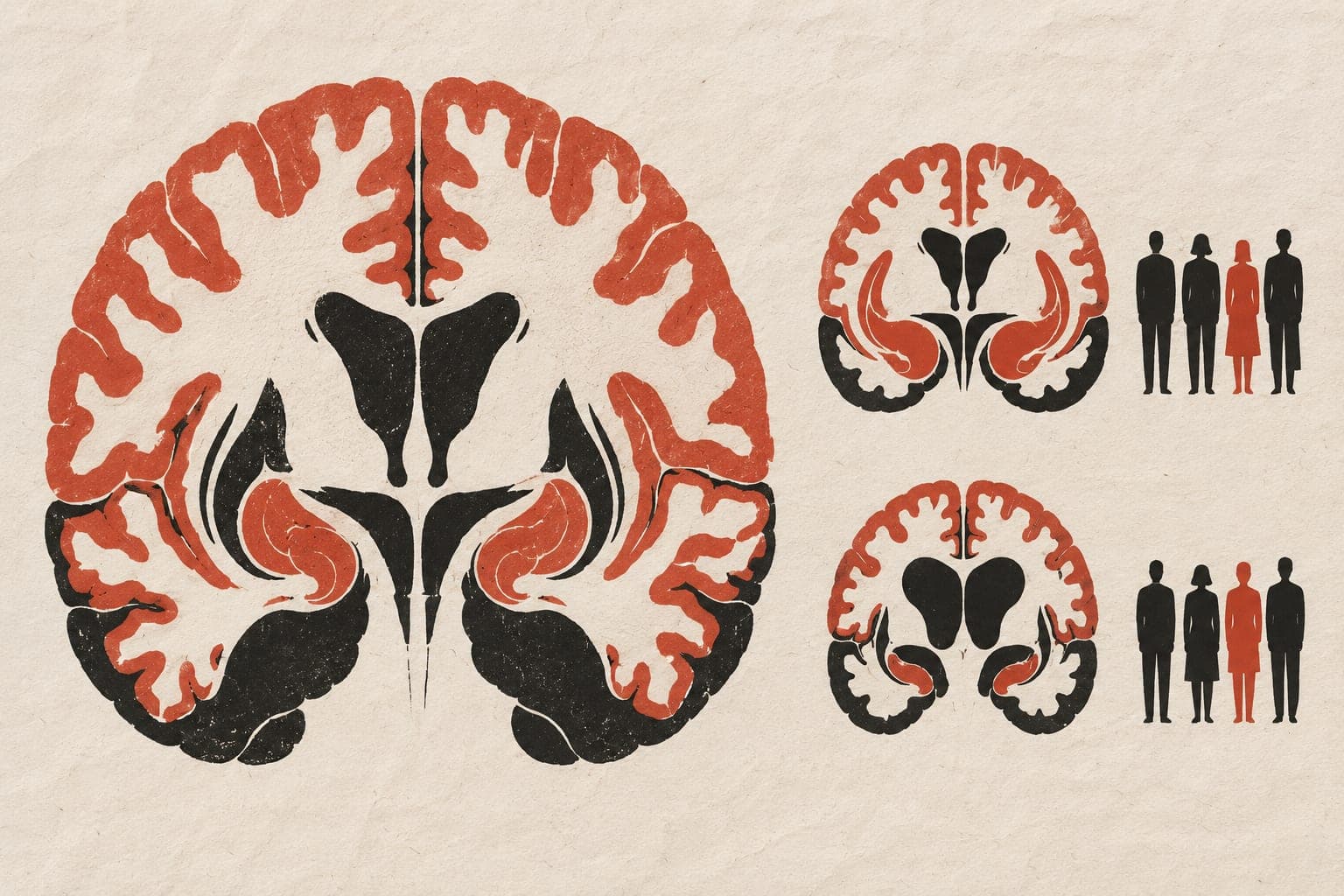
Data from 23,997 UK Biobank participants who reported British backgrounds supported an observational modeling study of cognitive decline—worsening memory and thinking. Researchers estimated the expected volume of the hippocampus, a brain region involved in memory, using age, sex and the space inside the skull. They added genetic scores that combined information about DNA variants linked to hippocampal volume.
The team tested the models in 1,245 participants from the Alzheimer's Disease Neuroimaging Initiative and 1,755 from the European Prevention of Alzheimer's Disease study. Adding genetic information strengthened associations with current cognitive test scores in both groups. It also improved prediction of future decline in the Alzheimer's Disease Neuroimaging Initiative group. The European Prevention of Alzheimer's Disease group showed no significant associations with cognitive changes over time.
Why it matters
For age-related neurodegenerative diseases, better forecasts of cognitive decline may help guide early intervention strategies, as the authors suggest.
Caveats
The analysis tested predictions, not whether model-guided care improved people's outcomes. Training excluded participants with several health conditions, and both training and validation applied ancestry restrictions, limiting application to other populations.
From the paper
- Participants
In total, we included data from 23,997 participants, after applying exclusion criteria for existing health conditions and genetic ancestry.
Results, PGS at different thresholds contain complementary information
- Limitation
Although we applied widely used harmonization techniques (such as imputation and NeuroComBat ), ideally acquisition and processing parameters should be closely matched to minimise confounding variance – though our approach mimics real world scenarios.
Quoted word for word from the full text on PubMed Central.
- Machine learning
- Cognitive decline
- Hippocampal volume
- Alzheimer's disease
- Alzheimer's Disease Assessment Scale
- Humans
The paper
Multi-threshold polygenic risk improves hippocampal-based cognitive decline prediction
Sidra Medical and Research Center; University College London
Genome Medicine, Jul 17, 2026, Open access
Comments
Be the first to comment.