Drug-loaded particles reduced blood-brain barrier leaks in aged rats
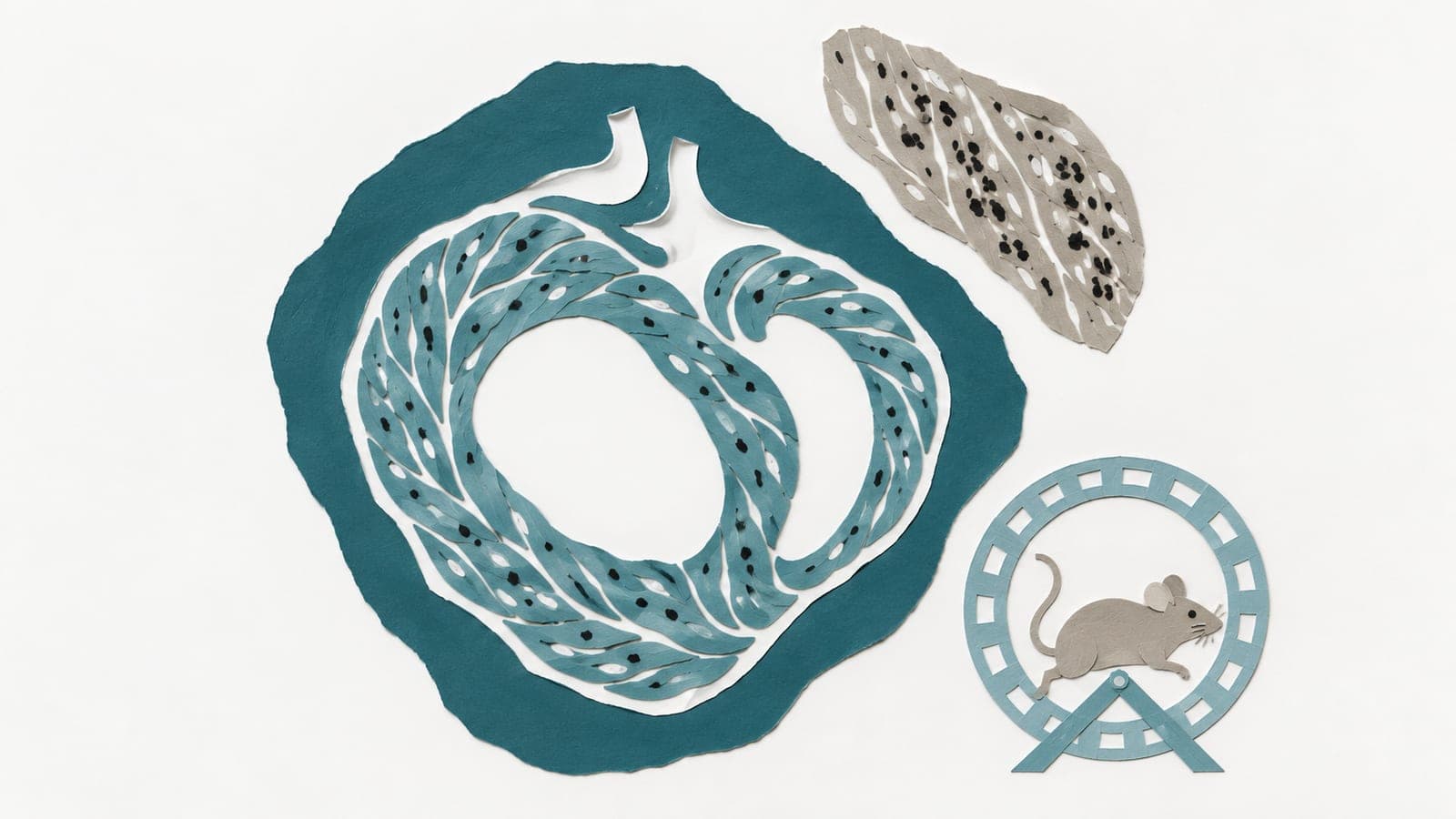
In naturally aged rats, drug-loaded particles reduced blood-brain barrier permeability and partly improved exploratory behavior compared with a high dose of the soluble drug.
Limit: Treatment duration is missing from the abstract
Edited by Boris Djordjevic · AgingResearch.News
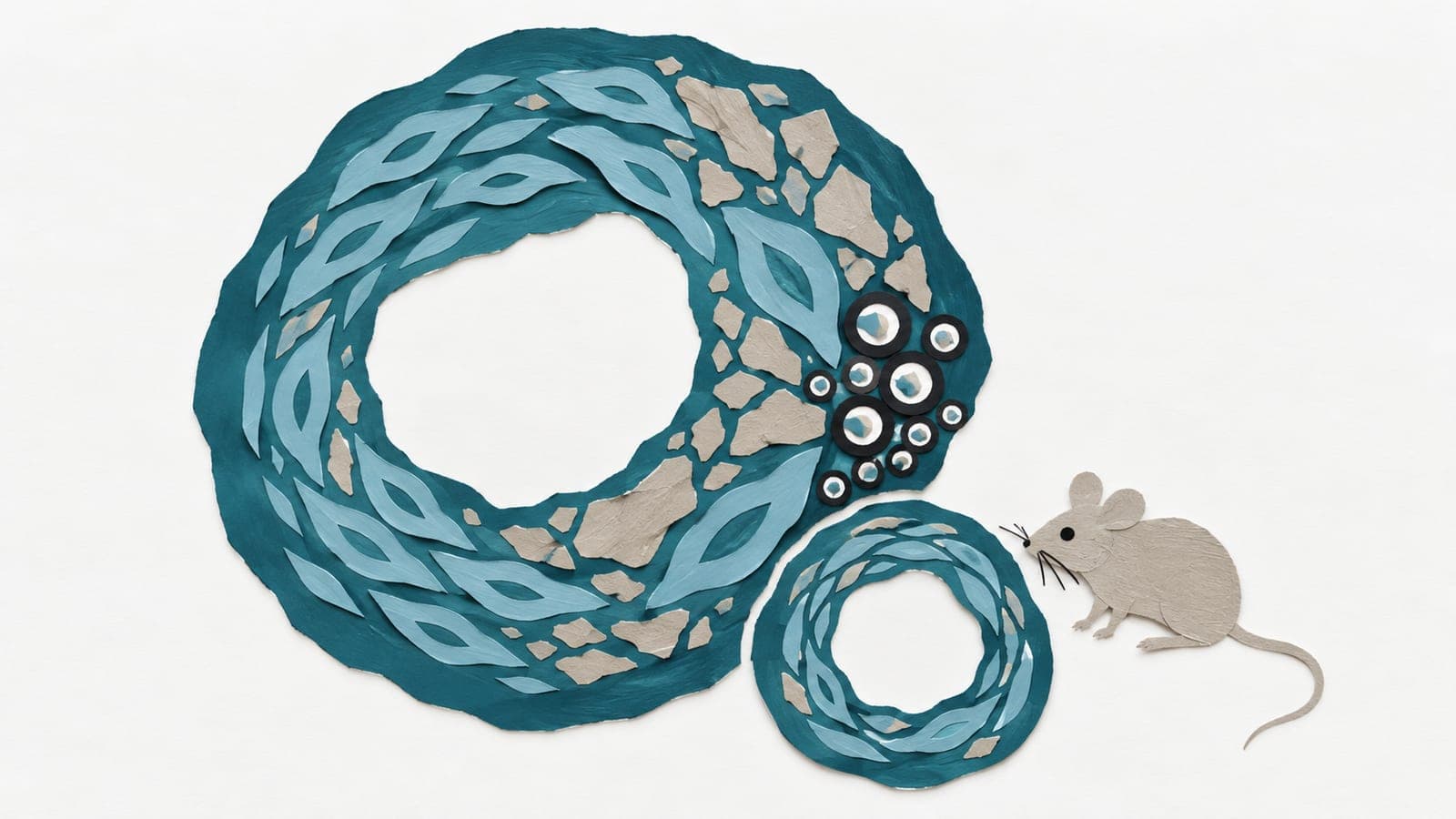
An experiment in naturally aged rats tested tiny polymer particles carrying navitoclax, a drug that kills senescent cells—cells that have stopped dividing. The rats had senescent cells lining brain blood vessels, increased blood-brain barrier permeability and reduced exploratory behavior. This barrier controls movement of substances from blood into the brain.
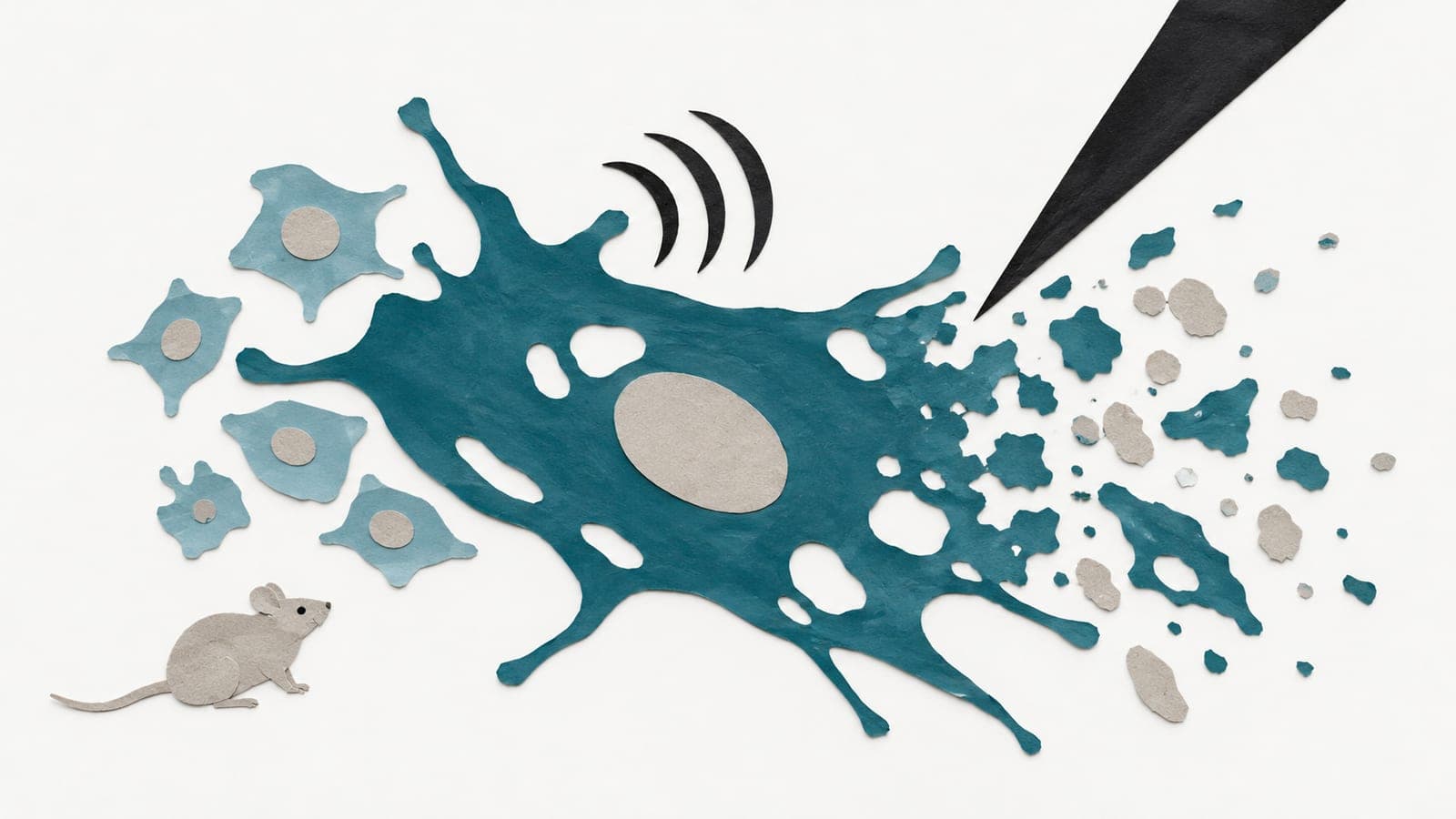
Compared with a high dose of the drug in soluble form, the particles reduced barrier permeability and the burden of senescent vessel-lining cells. They also partly improved exploratory behavior. In separate experiments with brain endothelial cells, which line brain blood vessels, the particles selectively killed senescent cells at lower doses than the soluble drug without affecting dividing cells.
Why it matters
Age-related blood-brain barrier dysfunction may contribute to cognitive decline and neurodegenerative disease. The work addresses whether removing senescent vessel-lining cells could help limit this barrier dysfunction.
Caveats
These were experiments in cells and naturally aged rats, not people. The abstract does not report the number of rats or treatment duration.
- Navitoclax
- Cell killing (cytotoxicity)
- Cellular senescence
- Blood-brain barrier permeability
- Exploratory behavior
- Rats
The paper
Nanoparticles as an efficient strategy to eliminate senescent brain endothelial cells
Centro de Inovação em Biomedicina e Biotecnologia; Centro de Neurociências e Biologia Celular
Journal of Controlled Release, Jul 13, 2026, Open access