Nanoparticles as an efficient strategy to eliminate senescent brain endothelial cells
Abstract
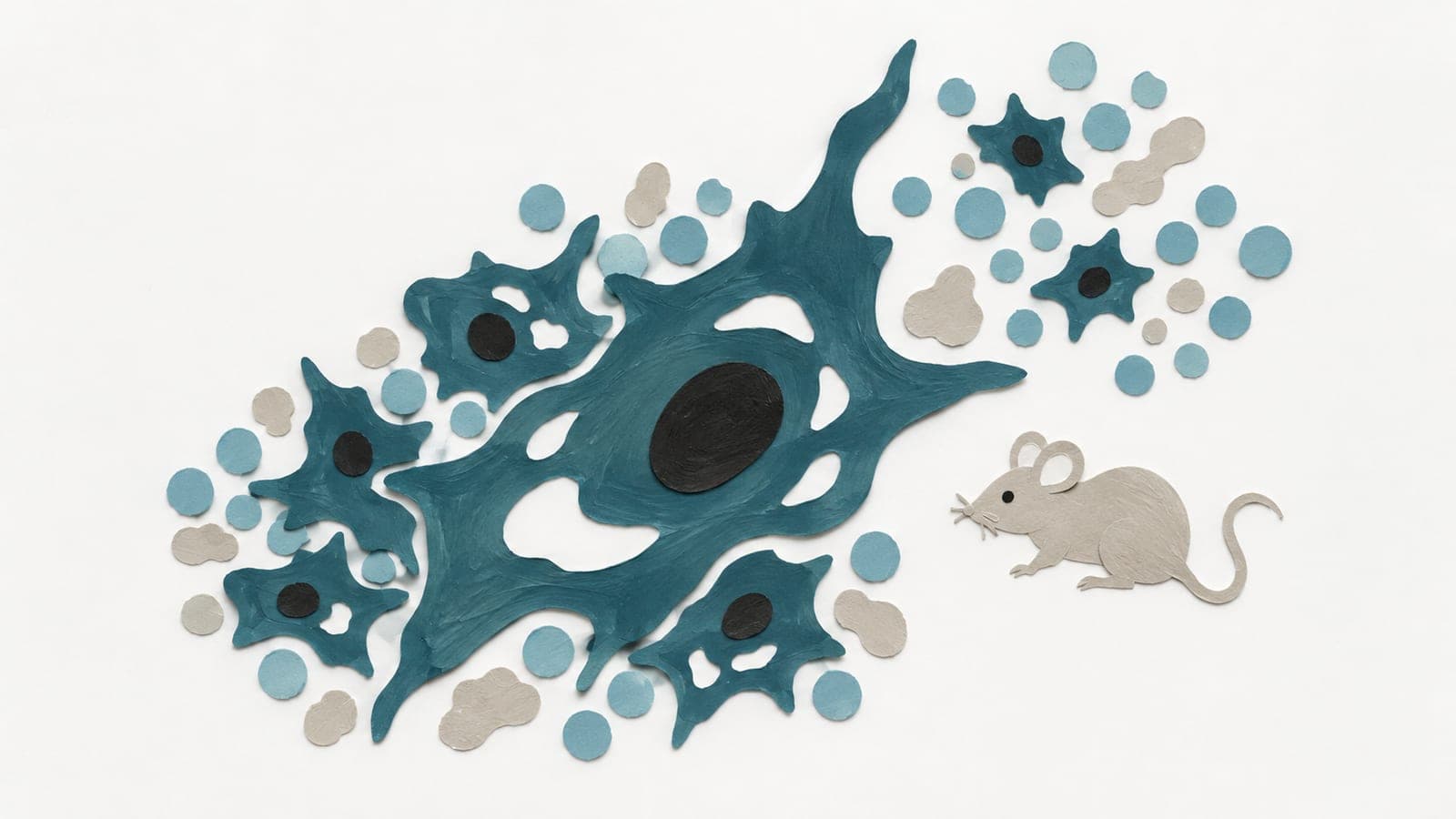
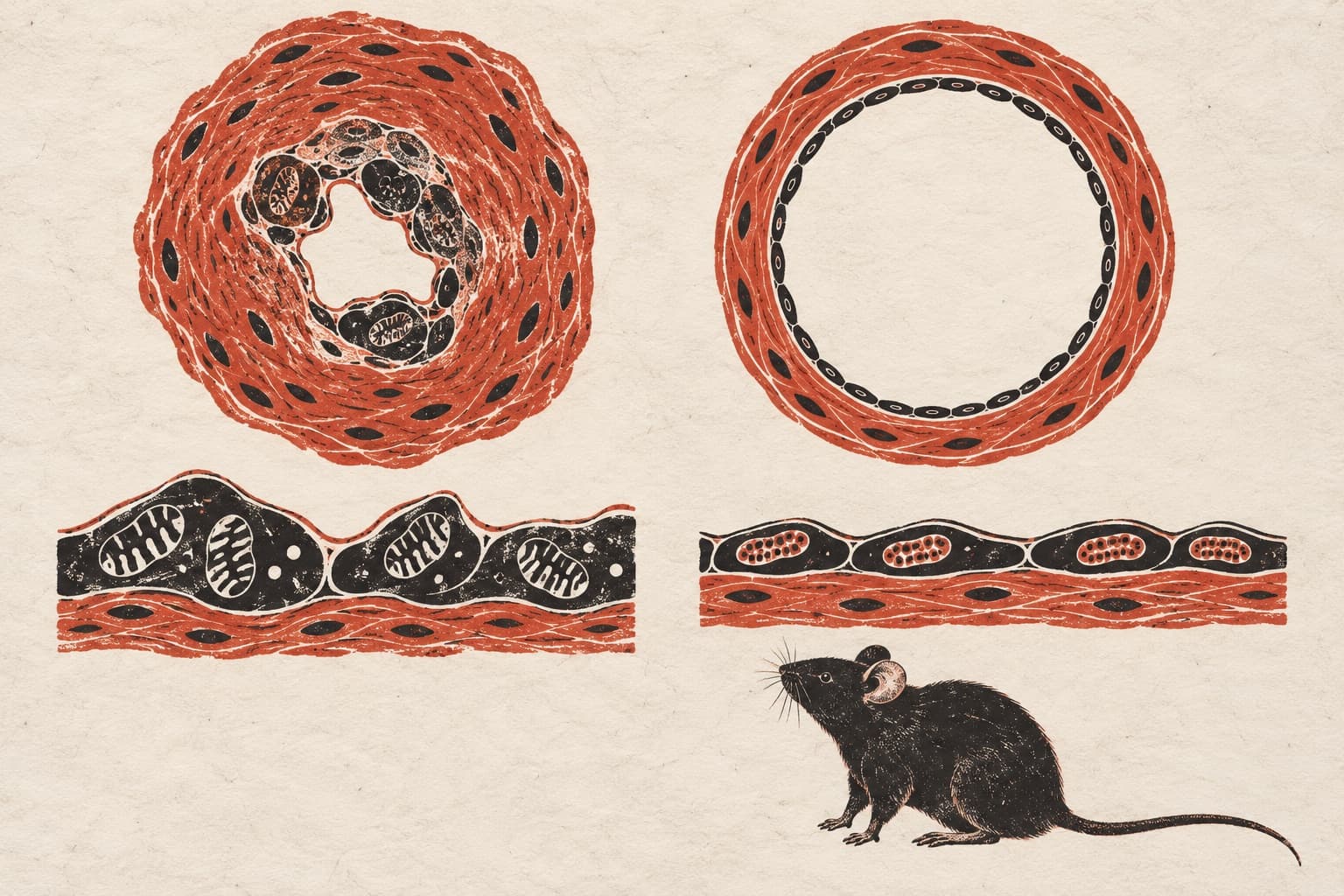
The blood-brain barrier (BBB) experiences dysfunction during physiological aging, potentially leading to cognitive decline and the onset of neurodegenerative diseases. Recent research highlights brain endothelial cell (BEC) senescence as a key factor contributing to BBB impairment. In this study, polymeric nanoparticles (NPs) loaded with a senolytic agent - Navitoclax - were designed to selectively eliminate senescent cells more effectively. These NPs are taken up by both proliferative and senescent BECs, but are only degraded in the latter due to the presence of senescence-associated beta-galactosidase (SA-β-gal), releasing the drug to induce cell death. NPs effectively and selectively eliminate senescent BECs at lower doses, without affecting proliferative cells, outperforming the soluble senolytic. NPs were then evaluated in a chronologically aged rat model exhibiting BEC senescence, increased BBB permeability, and diminished exploratory behavior. In comparison to high-dose soluble senolytic, the NPs successfully restored BBB integrity by reducing permeability, diminishing the burden of senescent BECs, and partially improving rat exploratory performance. Notably, only the NPs were able to reduce the presence of p21⁺ and p16⁺ BECs in vivo and enhance exploratory behavior. These findings suggest that NPs containing senolytics represent a promising intervention for decreasing BECs senescence, reducing BBB permeability, and enhancing exploratory behavior in naturally aged rats.
The paper
Centro de Inovação em Biomedicina e Biotecnologia; Centro de Neurociências e Biologia Celular
Journal of Controlled Release, 13 Jul 2026, Open access