Immune-stromal dysregulation and senescence in chronic spontaneous urticaria
Abstract
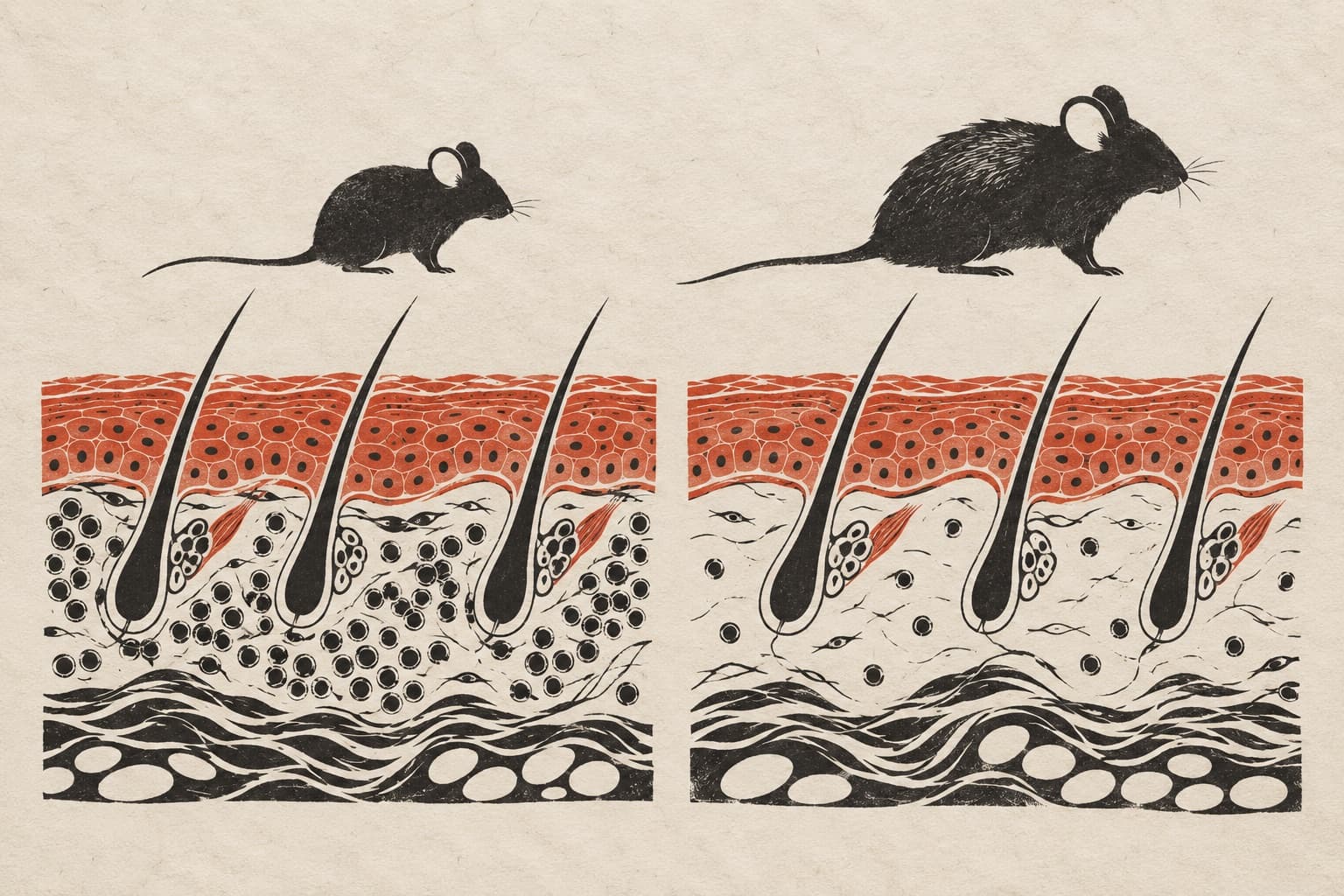
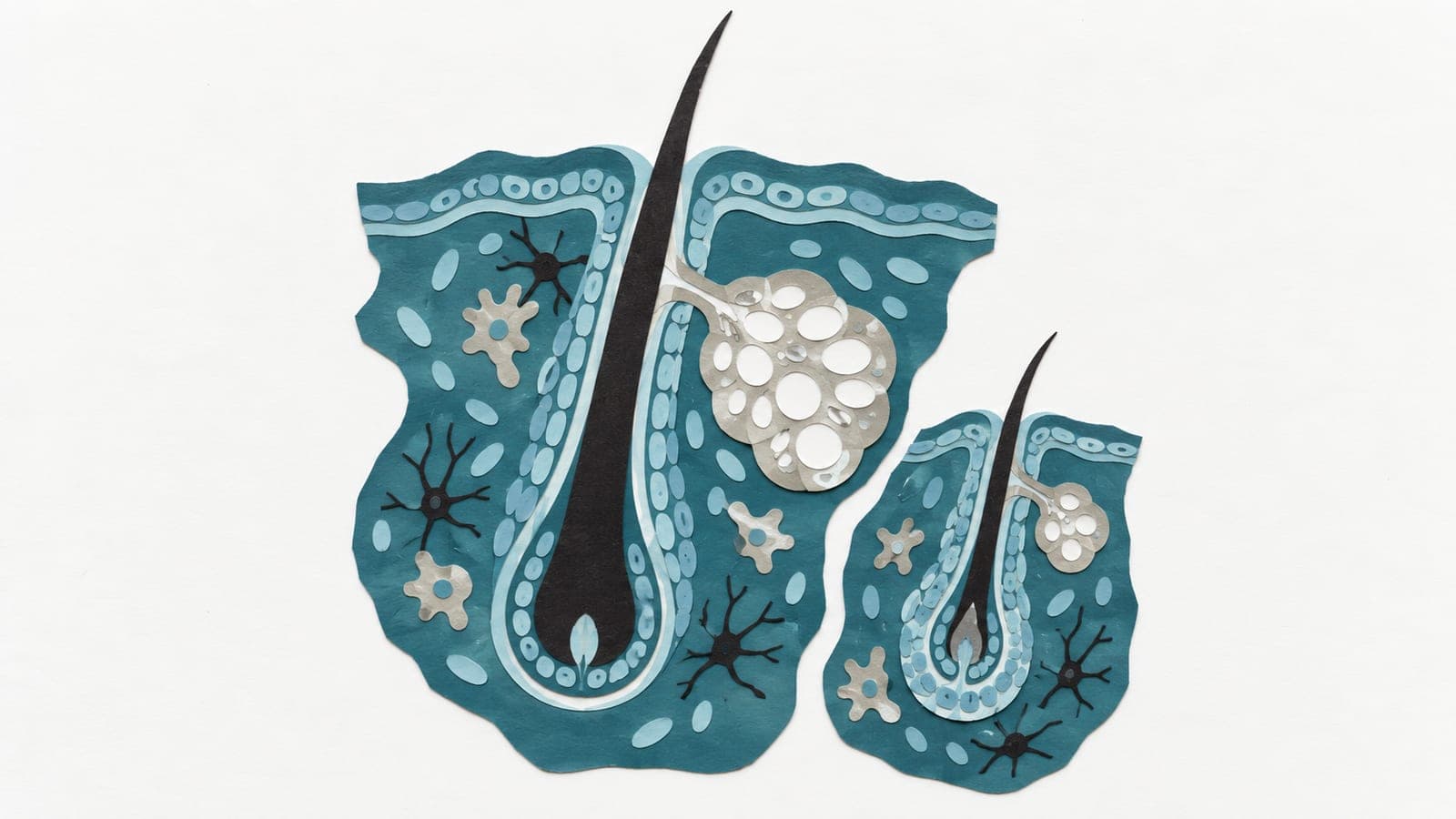
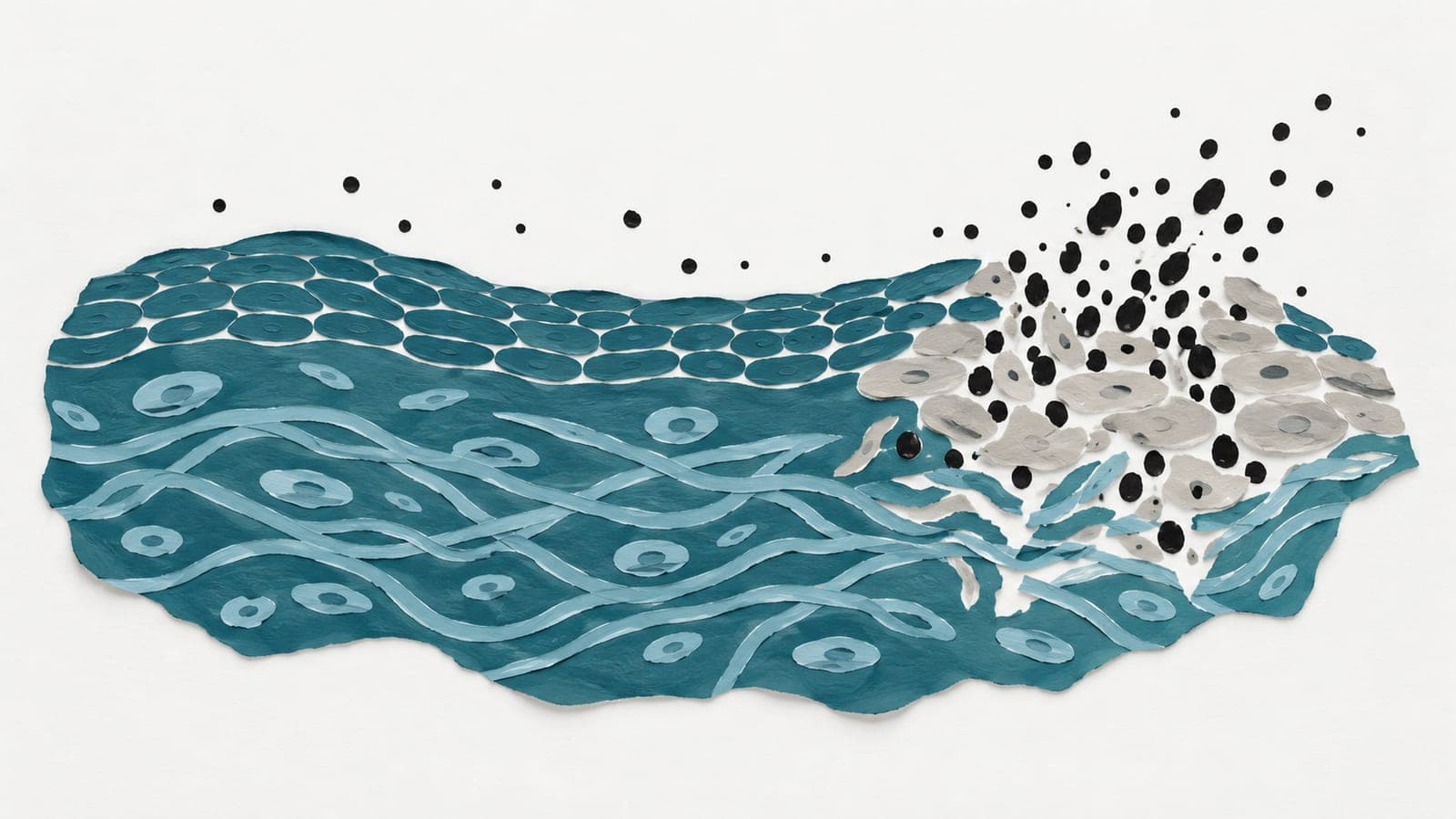
BACKGROUND: Chronic spontaneous urticaria (CSU) involves mast cells and multiple immune pathways, yet mechanisms sustaining disease chronicity remain incompletely defined. OBJECTIVE: We sought to delineate immune, stromal, and senescence-associated transcriptional programs in CSU lesional skin. METHODS: Lesional biopsy samples from 28 adults with CSU and 22 matched healthy controls were analyzed by bulk RNA sequencing, guided topic model-based deconvolution, and p16INK4a immunohistochemistry. Differential expression, gene set enrichment, and immune module scoring were performed. RESULTS: CSU skin showed 449 differentially expressed genes (309 up, 140 down), including IL4R, LAG3, CXCL8, CASP5, and NLRP12 upregulation, with downregulation of vascular/mesenchymal (CAV1, CD34) and circadian regulators (PER1, NR1D1). Deconvolution revealed expansion of helper, cytotoxic, and regulatory T cells, macrophages, and granulocyte modules, with TH2/TH17 polarization. Fibroblasts, keratinocytes, and melanocytes displayed proinflammatory, remodeling-competent states. Senescence-associated transcripts were enriched, and p16INK4a staining confirmed higher senescent cell density in CSU dermis and hypodermis (median, 92.1 vs 36.0 cells/mm²; P = .014). CONCLUSIONS: Adult CSU lesions comprise a chronically inflamed immune-stromal niche, integrating T-cell activation, structural cell reprogramming, and cellular senescence. These data extend current models of CSU and identify senescence as a potential amplifier of inflammation and a testable target for future mechanistic and interventional studies.
The paper
Université de Montréal; McGill University
The Journal of Allergy and Clinical Immunology Global, 21 Apr 2026, Open access