Dietary diversity, migration experience, and brain volume in middle-aged and older adults in rural Japan: a cross-sectional magnetic resonance imaging study
Abstract
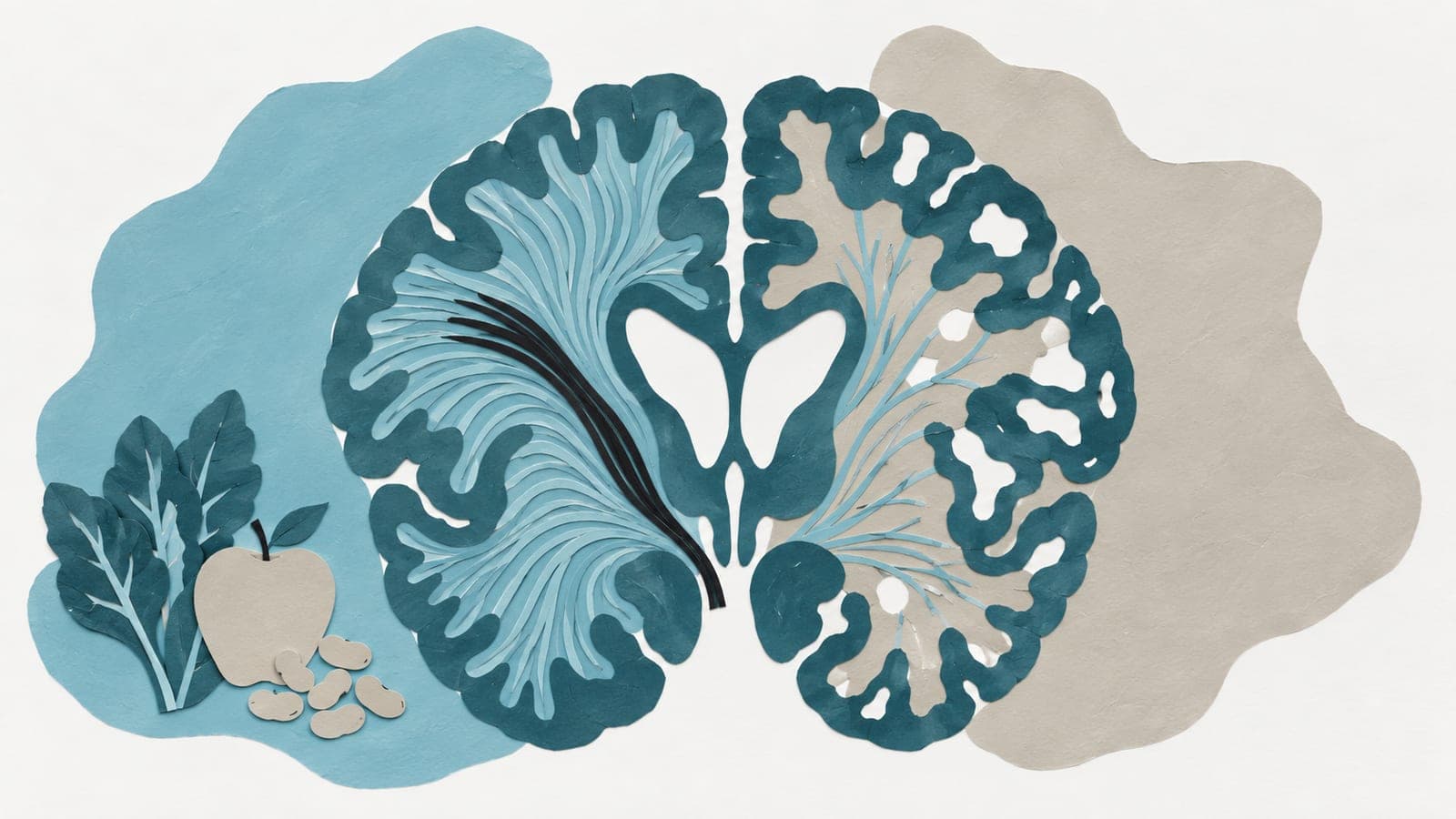
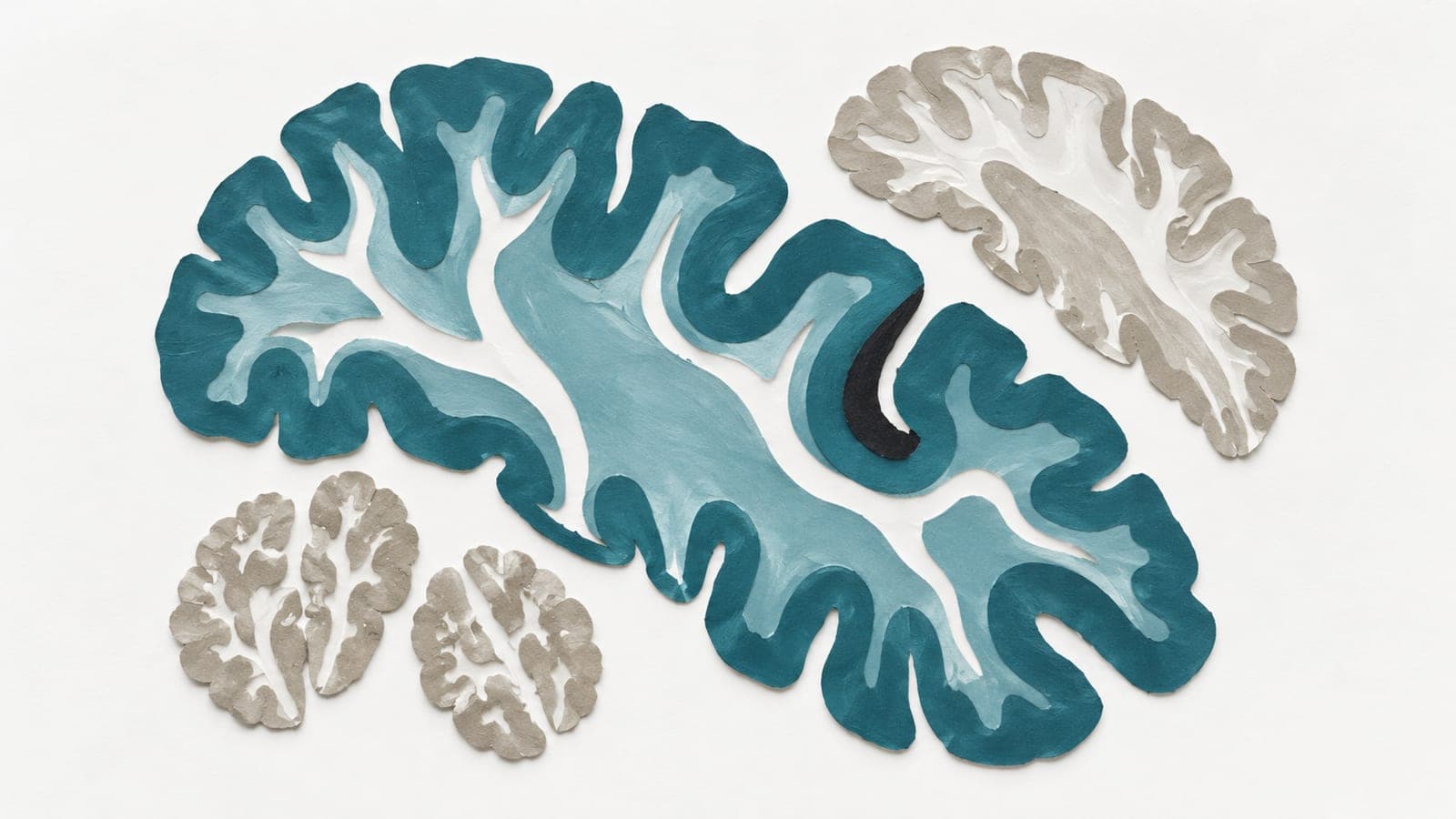
OBJECTIVE: To identify lifestyle, social, and health-related factors associated with normalized brain volume (NBV), an imaging marker of brain atrophy, among community-dwelling middle-aged and older adults in a rural Japanese population. METHODS: This cross-sectional magnetic resonance imaging (MRI) study was conducted within the Tango Iki-iki (Actively Living) Longevity Study, a longitudinal community-based cohort in rural Kyoto, Japan. Participants who underwent brain MRI following cognitive screening were included. NBV was measured from T1-weighted MRI using SIENAX. Associations between NBV and demographic, lifestyle, social, and health-related factors were evaluated using linear regression analyses. Variables associated with NBV after adjustment for age and sex were further examined in multivariable models. Sensitivity analyses and principal component analysis (PCA) of dietary intake patterns were also performed. RESULTS: A total of 235 participants were included in the MRI analysis. After adjustment for age and sex, higher dietary diversity score (DDS) (β = 925 mm³ per point; 95% CI, 176-1,674; p = 0.016) and migration experience (β = 18,294 mm³; 95% CI, 226-36,363; p = 0.048) were significantly associated with greater NBV. In the multivariable model including age, sex, DDS, and migration status, both DDS (β = 865 mm³ per point; 95% CI, 101-1,629; p = 0.028) and migration experience (β = 20,653 mm³; 95% CI, 443-40,862; p = 0.046) remained independently associated with greater NBV. These findings were generally consistent across sensitivity analyses, including a fully adjusted model. PCA suggested that vegetables, fruits, seaweed, mushrooms, and potatoes contributed strongly to dietary diversity. Additional analyses indicated that higher DDS was associated with educational attainment, cohabitation status, and lower smoking exposure in the overall cohort. CONCLUSION: Higher dietary diversity and migration experience were independently associated with greater NBV among middle-aged and older adults in a rural Japanese population.
The paper
Kyoto Prefectural University of Medicine
Frontiers in Public Health, 26 Jun 2026, Open access