Two APOE ε4 copies linked to faster hippocampal shrinkage
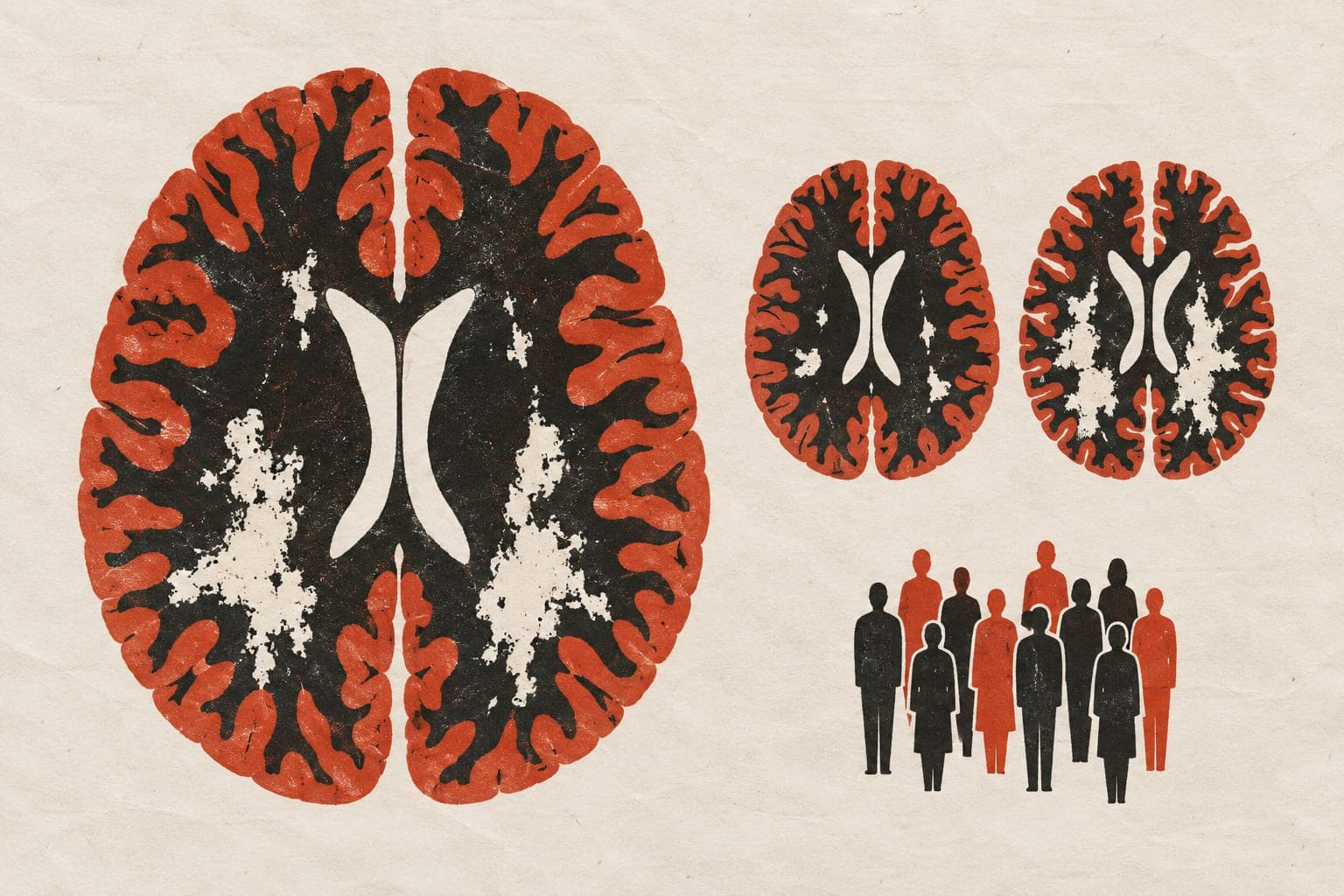
In 5,774 adults followed for an average of 4.7 years, carrying two APOE ε4 alleles and female sex were linked to faster hippocampal shrinkage.
4.7 years
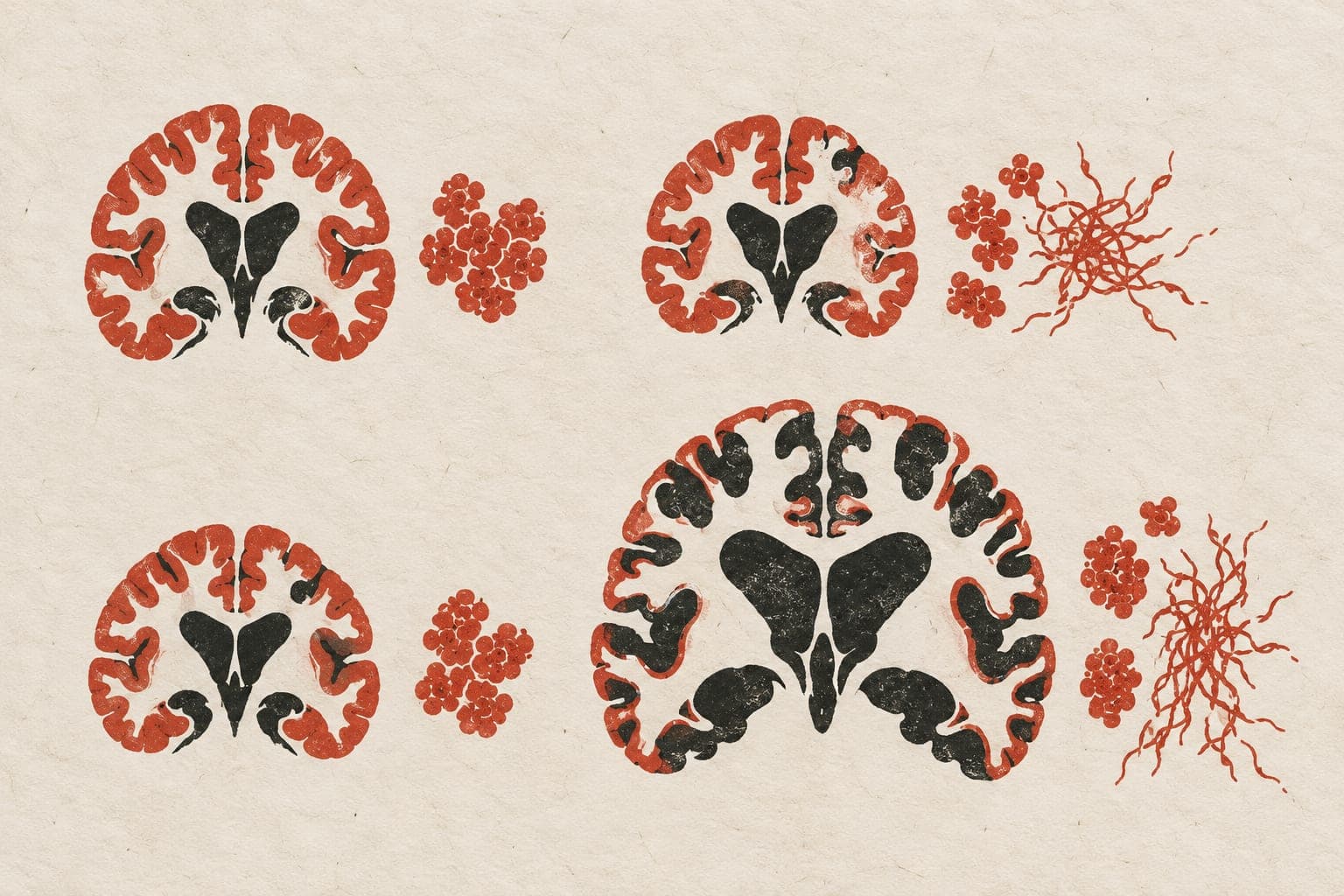
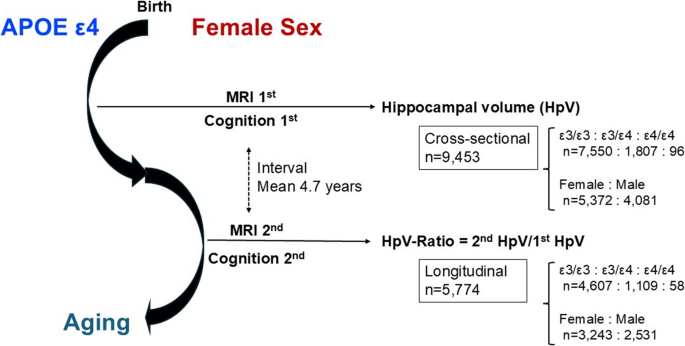
In an observational study, researchers analysed magnetic resonance imaging data from 9,453 adults in Japan, including 5,774 with follow-up scans after an average interval of 4.7 years. Cross-sectional analyses showed no significant effects of APOE genotype on brain volumes. In longitudinal analyses, adults carrying two copies of the APOE ε4 allele showed greater decline in hippocampal volume ratio than ε3/ε3 and ε3/ε4 carriers. Females also showed a lower hippocampal volume ratio than males. No main effects of APOE genotype or sex were observed on total brain volume ratio. Age-related acceleration of hippocampal ratio decline was seen in ε4 homozygotes and females, persisting after adjustment for cognitive test scores.
Why it matters
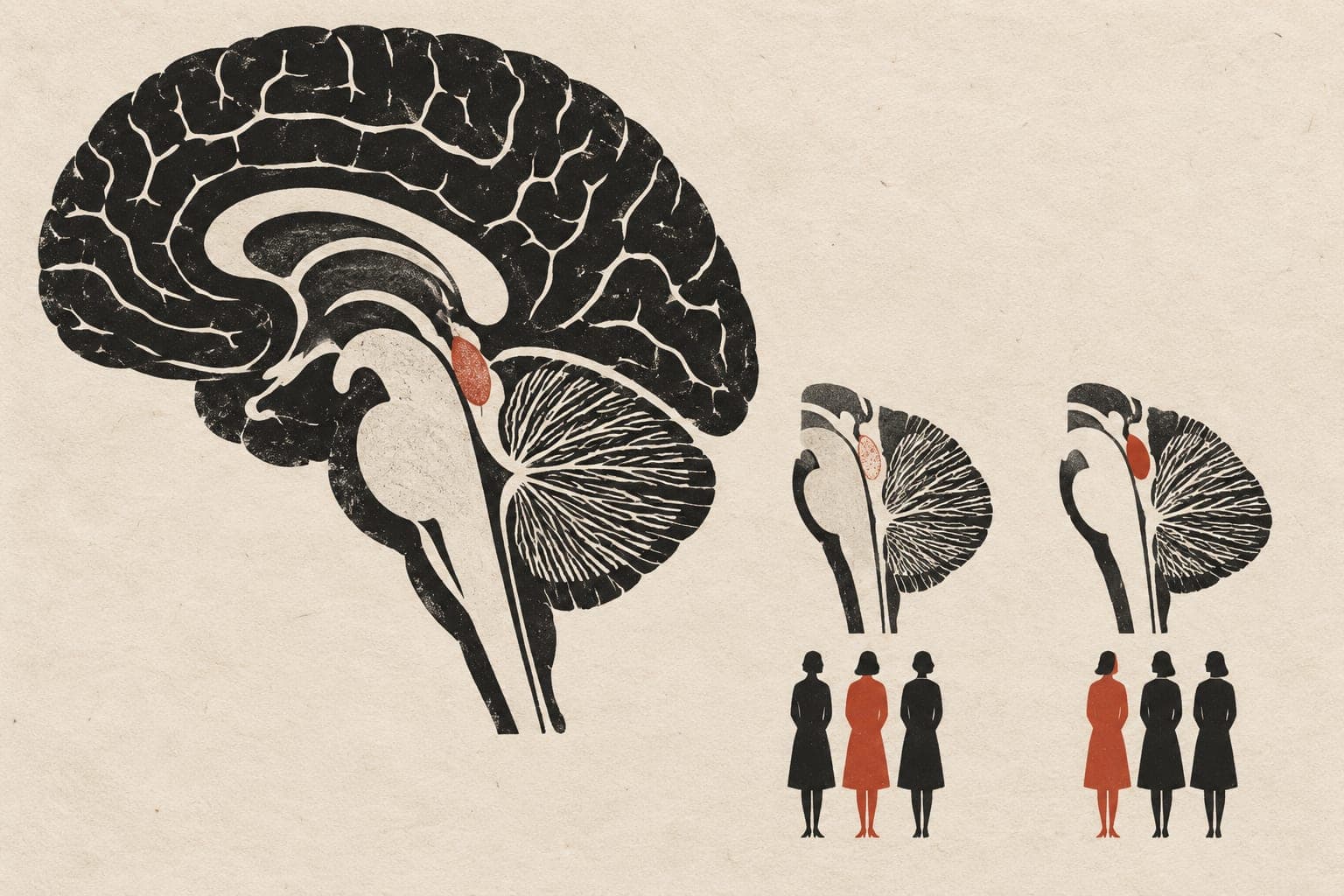
Selective hippocampal shrinkage relative to overall brain volume serves as an early marker of preclinical Alzheimer's disease. Clarifying how genetic risk and sex interact with aging to accelerate this loss may help clarify differing risks for age-related memory disorders.
Caveats
Because this study was observational, it links these genetic and sex factors to brain changes without testing biological mechanisms. In addition, the participants were from a single regional population in Japan, meaning the findings may not generalise to other ancestries.
The paper
Show 25 more authors
Ippei Chiba, Makiko Taira, Takuya Koyama, Tomomi Onuma, Tomo Saito, Masato Takase, Ikuko N Motoike, Takanori Hidaka, Akihito Otsuki, Masatsugu Orui, Taku Obara, Fuji Nagami, Naoki Nakaya, Soichi Ogishima, Kazuki Kumada, Fumiki Katsuoka, Seizo Koshiba, Yasuyuki Taki, Ritsuko Shimizu, Shinichi Kuriyama, Kinuko Ohneda, Yoko Izumi, Nobuo Fuse, Atsushi Hozawa, Kengo Kinoshita,Tohoku University
Neuroradiology, 9 Oct 2026