Glutamate carboxypeptidase II activation in astrocytes mediates glymphatic impairment and cognitive vulnerability in the aging brain following surgery
Abstract
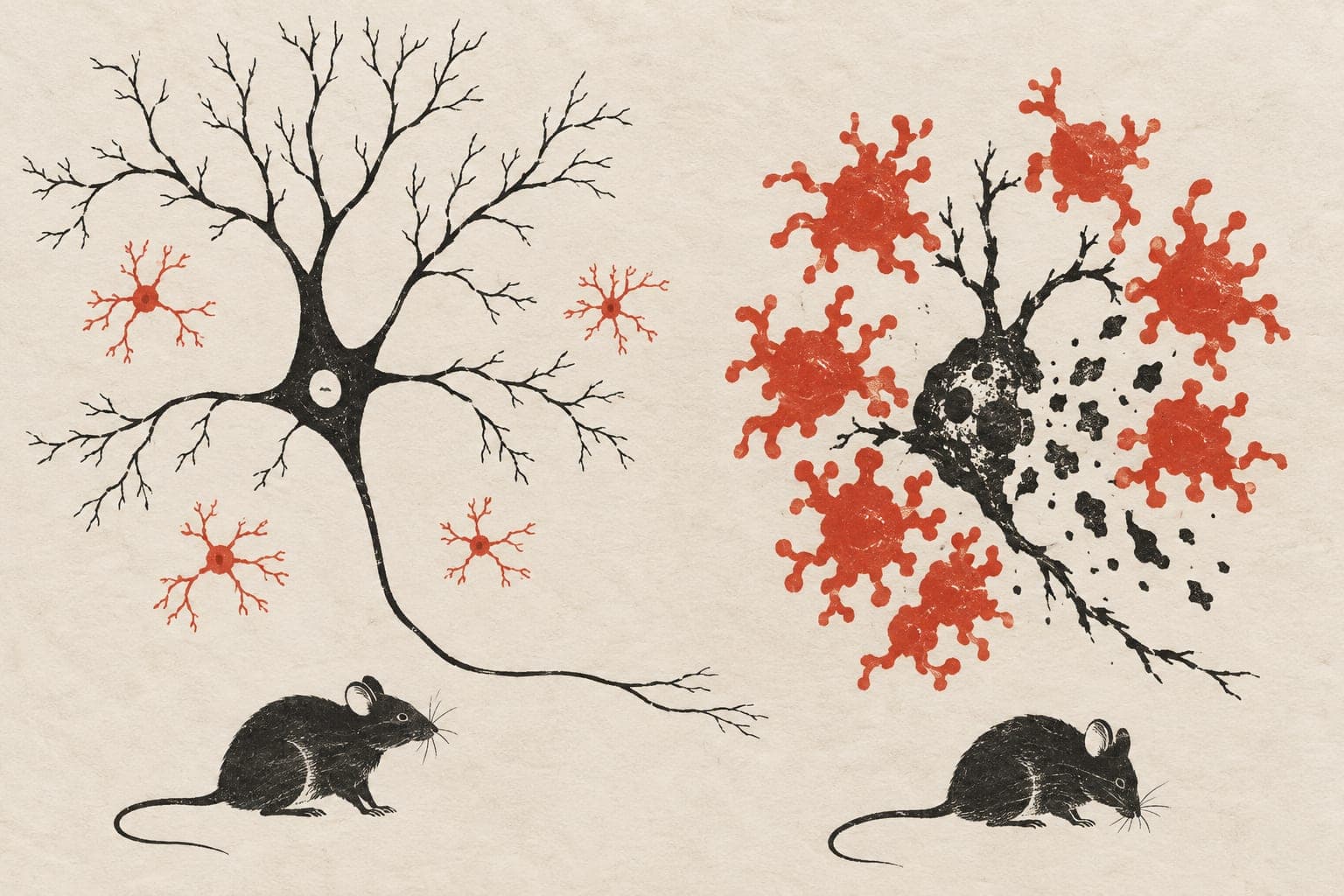
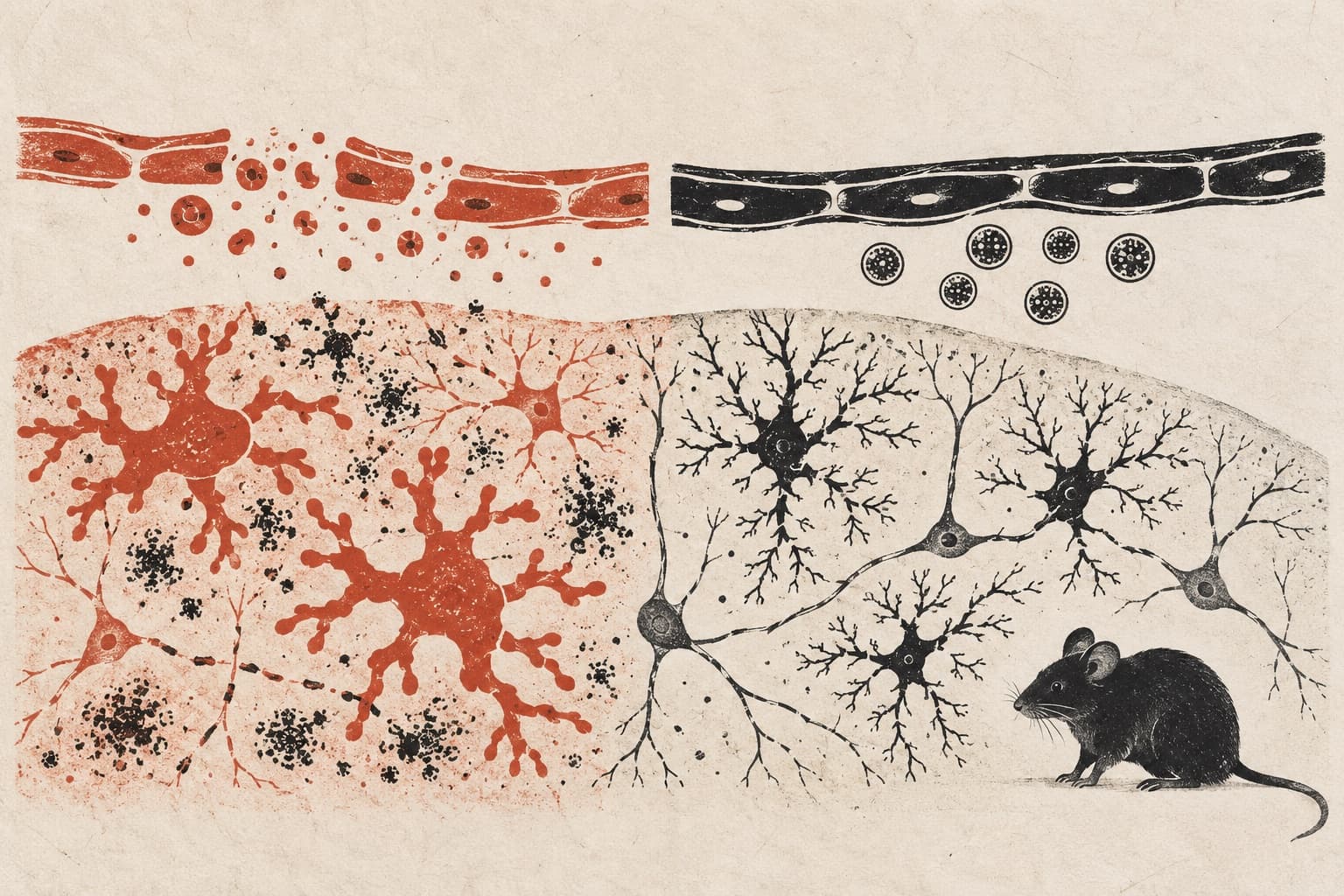
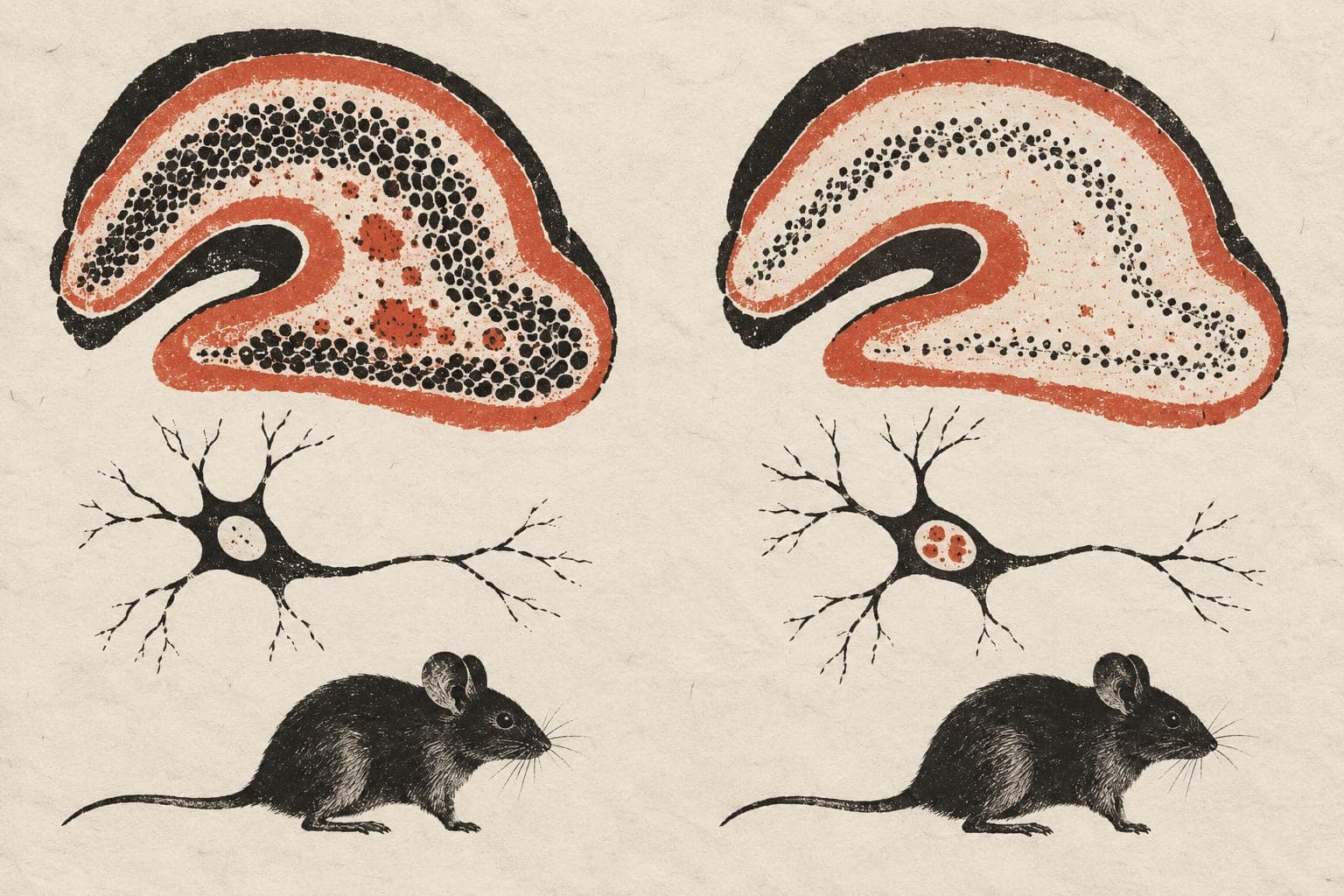
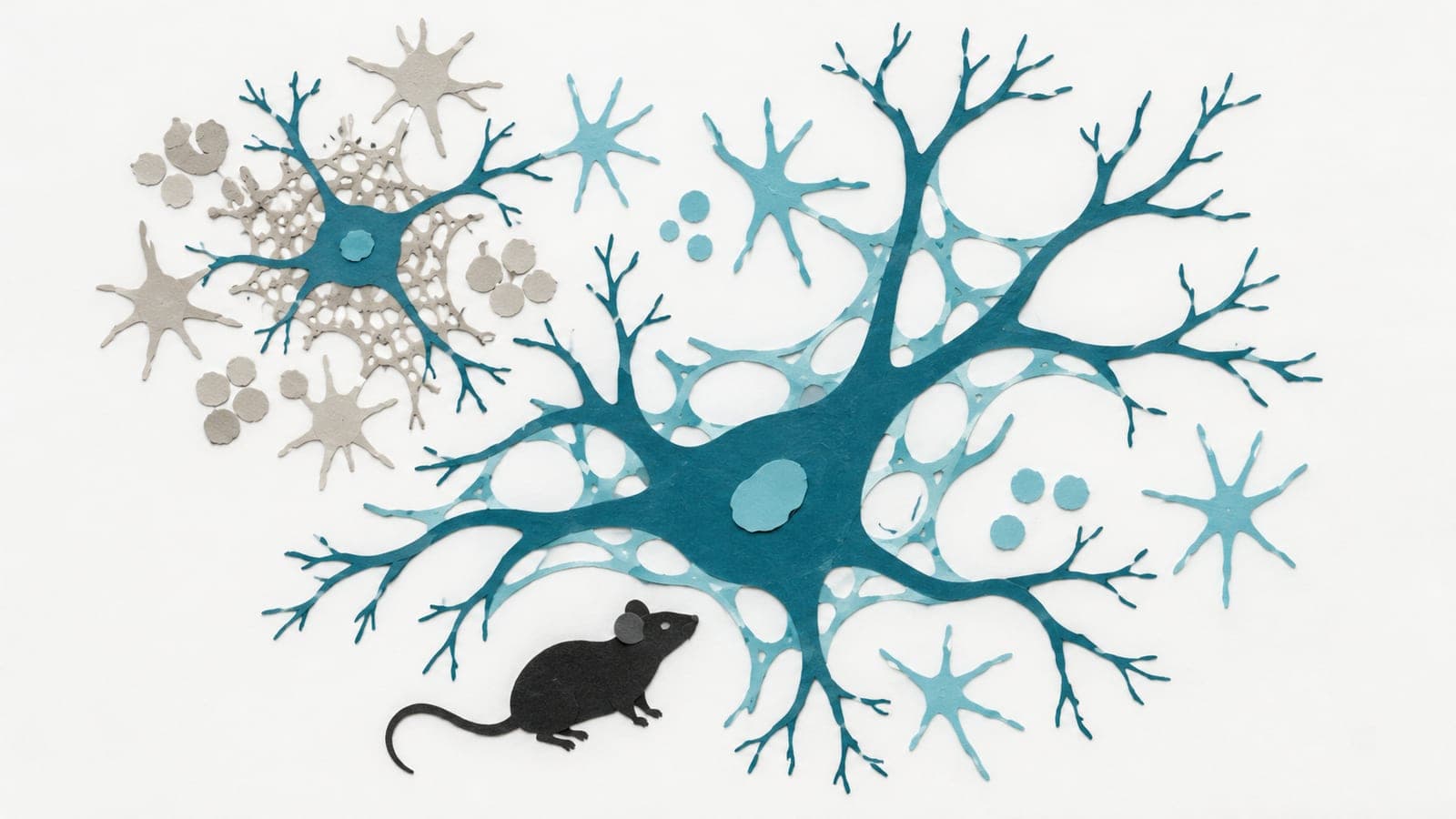
INTRODUCTION: Perioperative neurocognitive disorder is a common and debilitating complication in the elderly, yet its cellular and molecular mechanisms in the aging brain remain poorly understood. METHODS: Using aged mice, we examined the impact of abdominal surgery on cognition, glymphatic activity, and astrocyte function. Sex-dependent mechanisms were investigated by integrating single-cell RNA sequencing with astrocyte-specific genetic and pharmacological manipulation. RESULTS: Abdominal surgery induced male-specific deficits in recognition and spatial memory, reduced hippocampal glymphatic influx, and glutamate accumulation in aged mice. These changes were associated with male-specific upregulation of glutamate signaling in a distinct astrocyte subpopulation, enhanced astrocytic glutamate carboxypeptidase II (GCPII) activity, and loss of aquaporin-4 (AQP4) polarization. Astrocyte-specific GCPII knockdown rescued cognitive deficits and hippocampal glymphatic influx, consistent with pharmacological GCPII inhibition ameliorating glutamate levels, AQP4 polarization, and cognitive performance. DISCUSSION: These findings identify astrocytic GCPII-mediated glutamate dysregulation as a mechanism contributing to sex-specific postoperative cognitive vulnerability in aging.
The paper
Johns Hopkins University
Alzheimer's & Dementia, 1 Jul 2026, Open access